





- Blogs
- A Comprehensive Guide to Pipe Insulation in the UK: Materials, Regulations, and Installation
A Comprehensive Guide to Pipe Insulation in the UK: Materials, Regulations, and Installation
TLDR: Quick Summary
-
Primary Benefit: The main reason to insulate pipes is to prevent them from freezing and bursting in winter. A burst pipe can cost between £150 and £600 to repair, with water damage potentially adding thousands to the bill. Pipe insulation is a low-cost preventative measure against this significant risk.
-
Secondary Benefits: Insulating hot water pipes provides a modest saving on energy bills, typically around £3 to £6 per year for a standard home. It also controls condensation on cold pipes, which helps prevent mould, corrosion, and water damage to surrounding structures.
-
Common Materials: For most domestic DIY jobs, flexible polyethylene (PE) foam is the standard choice due to its low cost and ease of installation. For areas with high humidity or for cold water pipes, nitrile rubber offers superior moisture resistance. Mineral wool and phenolic foam provide higher thermal performance and fire safety, making them suitable for more demanding applications.
-
Installation is Vital: The effectiveness of pipe insulation depends entirely on correct installation. The insulation must match the pipe's outer diameter for a snug fit. All joints, bends, and T-pieces must be carefully cut and sealed to form a continuous, unbroken thermal barrier. Gaps will severely compromise performance.
-
UK Regulations: In the UK, Building Regulations (Part L) and the Water Supply (Water Fittings) Regulations 1999 mandate the insulation of pipes in certain situations. This applies to most hot water pipes and any pipes located in unheated spaces like lofts, garages, or outside, to conserve energy and provide frost protection.
The Importance of Insulating Pipes in Your Home
Insulating the pipework in a property, a process often referred to as pipe lagging, is a fundamental aspect of home maintenance. It serves several critical functions, from improving energy efficiency to, most importantly, protecting the building's infrastructure from costly damage. While often viewed as a minor improvement, its role in risk mitigation is substantial.
Improving Energy Efficiency and Reducing Costs
When hot water travels from a boiler or hot water cylinder to a tap, it passes through pipes that are often at a much lower temperature than the water itself. This temperature difference causes heat to be lost from the water into the surrounding air. Uninsulated pipes act as radiators, dissipating valuable heat into areas where it is not needed, such as under floorboards, in wall cavities, or within loft spaces.
By wrapping pipes in an insulating material, this heat loss is significantly reduced. The insulation creates a thermal barrier, helping the water to retain its temperature for longer as it travels through the system. This means hot water arrives at the tap faster, reducing water wastage while waiting for it to warm up. Studies show that pipe insulation can keep water approximately 2 degrees Celsius warmer than it would be in an uninsulated pipe. Consequently, the boiler does not have to work as hard to deliver hot water at the desired temperature, leading to a reduction in energy consumption.
For a typical three-bedroom, gas-heated home in the UK, the direct financial savings from insulating accessible hot water pipes are modest, estimated to be around £3 to £6 per year. While this figure may seem small, the primary financial benefit of pipe insulation lies elsewhere.
Preventing Frozen and Burst Pipes 
The most compelling reason to insulate pipes is to prevent them from freezing during cold weather. This is not a matter of small savings but of avoiding a potentially catastrophic and expensive event. When water freezes, it expands by approximately 9% in volume. This expansion exerts immense pressure on the inside of a pipe, whether it is made of copper or plastic. If the pressure becomes too great, the pipe will split or burst.
Pipes located in unheated or unconditioned areas of a home are at the highest risk. These include pipework in lofts, garages, basements, crawlspaces, and any pipes that run along or inside external walls. These areas can easily fall to sub-zero temperatures during a cold snap, leaving the water inside the pipes vulnerable to freezing.
A burst pipe can release a significant amount of water in a short period, leading to extensive damage to ceilings, walls, floors, furniture, and electrical systems. The cost of repairing the pipe itself is only the beginning. The average cost for a plumber to repair a straightforward burst pipe in the UK typically ranges from £150 to £600. However, the subsequent cost of water damage restoration, including drying out the property, treating mould, and repairing structural elements, can easily run into thousands of pounds, with figures between £500 and £3,000 being common for moderate incidents.
Pipe insulation works by slowing down the rate of heat loss from the water inside the pipe. It does not stop the water from freezing indefinitely if the surrounding temperature remains below freezing for a prolonged period, but it significantly extends the time it takes for the water to reach freezing point. For most UK winter conditions, this delay is sufficient to prevent pipes from freezing and bursting. Considering the low cost of materials for a typical DIY project—often around £20—pipe insulation should be viewed as an essential, low-cost insurance policy against a high-cost risk.
Controlling Condensation
Condensation on cold water pipes is a common issue, particularly during warmer, more humid months. It occurs when the warm, moist air in a room comes into contact with the cold surface of a pipe. The air is cooled below its dew point, causing the water vapour it holds to turn into liquid water on the outside of the pipe.
While a few drips may seem harmless, persistent condensation can lead to a host of problems. The constant moisture can cause corrosion on copper or steel pipes, weakening them over time and leading to leaks. More significantly, the water can drip onto surrounding materials. This can cause rot in timber joists and floorboards, degrade plasterboard, and create damp patches on walls and ceilings. These damp conditions are also the perfect breeding ground for mould, which can damage property and pose a risk to health.
Pipe insulation prevents condensation by creating a barrier between the cold pipe surface and the ambient air. The surface of the insulation remains at a temperature closer to the surrounding air, staying above the dew point and stopping water vapour from condensing. This is why materials with good water vapour resistance, such as nitrile rubber, are particularly effective for cold water pipes.
Enhancing Safety and Reducing Noise
Central heating pipes can become very hot, often reaching temperatures that can cause burns upon contact. This poses a safety risk, especially in homes with young children or in areas where pipes are exposed and easily accessible. Pipe insulation covers the hot surface, providing a protective layer that remains at a much safer temperature to the touch.
A secondary benefit of pipe insulation is acoustic dampening. The soft, foam-like structure of many insulation materials helps to absorb sound and vibrations. This can reduce the noise of water flowing through pipes, contributing to a quieter and more comfortable living environment.
Common Pipe Insulation Materials in the UK
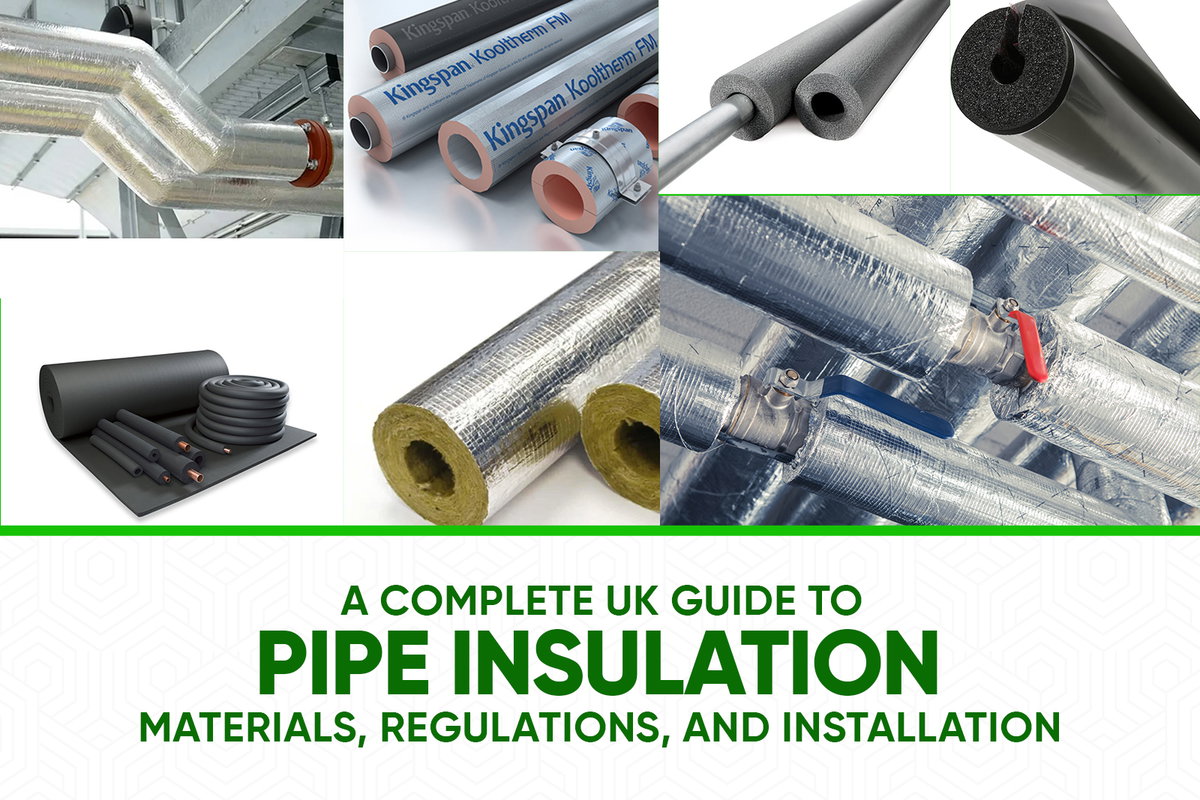
A variety of pipe insulation materials are available in the UK market, each with distinct properties that make it suitable for different applications. The choice of material depends on factors such as the pipe's temperature, its location, and the specific goal of the insulation, whether it be frost protection, heat retention, or condensation control.
Polyethylene (PE) Foam
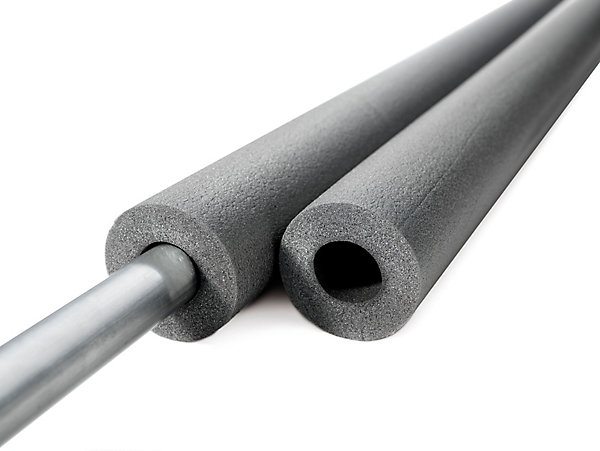
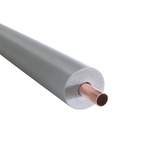
Polyethylene foam is the most common and widely recognised type of pipe insulation for domestic use. It is a flexible, lightweight, grey-coloured foam with a closed-cell structure, meaning it is composed of thousands of tiny, sealed air bubbles that resist moisture absorption. It is typically supplied in tubes, often with a pre-cut slit along one side for easy installation.
This material is a cost-effective all-rounder, suitable for both hot and cold water pipes in general domestic settings. It is particularly popular for DIY projects due to its low price and simple application. It is commonly used to insulate central heating pipework and to provide frost protection for pipes in loft spaces. Well-known brands in the UK include Climaflex and Armacell Tubolit.
Nitrile Rubber (Elastomeric Foam)
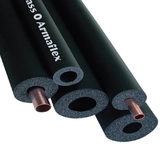
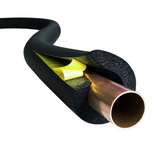
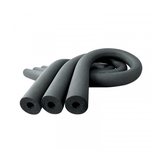
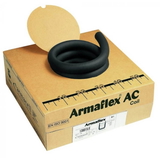
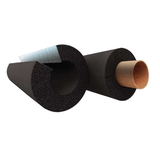
Nitrile rubber, also known as elastomeric foam, is a flexible, black synthetic rubber insulation. Like PE foam, it has a closed-cell structure, but it is denser and has a significantly higher resistance to water vapour transmission. This property makes it exceptionally effective at controlling condensation.
Because of its excellent moisture resistance, nitrile rubber is the preferred material for insulating cold water pipes, refrigeration lines, and air-conditioning pipework, especially in areas prone to high humidity. Its durability and resistance to UV light (in certain formulations) also make it a good choice for external pipework and solar heating systems. Common brands available in the UK include Armaflex and K-Flex.
Mineral Wool and Fibreglass
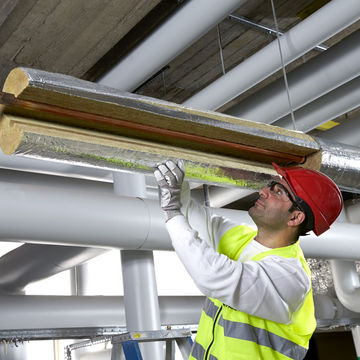
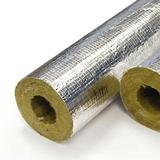
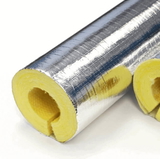
Mineral wool (also called rock or stone wool) and fibreglass insulation are made from spun inorganic fibres. They are typically supplied as rigid or semi-rigid pre-formed sections designed to fit standard pipe sizes. These sections often come with a factory-applied foil facing, which acts as a durable outer layer and an effective vapour barrier when the joints are sealed with foil tape.
The primary advantages of mineral wool and fibreglass are their excellent thermal performance at high temperatures and their superior fire safety. These materials are non-combustible, typically achieving a Euroclass fire rating of A1 or A2, the highest classifications. This makes them the standard choice for applications where fire resistance is critical, such as in commercial buildings, plant rooms, boiler houses, and on industrial heating, ventilation, and air conditioning (HVAC) systems. Leading brands in the UK include Rockwool Rocklap, Isover Climpipe, and Knauf Thermo-Tek.
Phenolic Foam
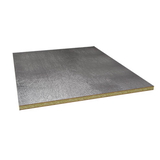
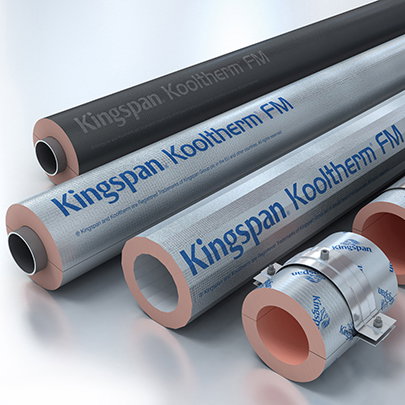
Phenolic foam is a rigid, closed-cell foam insulation known for having one of the best thermal performances among commonly available insulation materials. This means it can achieve a high level of insulation with a thinner wall thickness compared to other materials. It is usually supplied in rigid sections with a factory-applied foil vapour barrier.
Its high thermal efficiency makes phenolic foam an ideal choice for projects where space is limited but a high level of insulation is required to meet stringent energy efficiency standards. It is often specified for high-performance heating and chilled water systems in commercial and public buildings. While it offers excellent performance, it is generally more expensive than other insulation types. Prominent brands in the UK include Kingspan Kooltherm and Supaphen.
Table 1: Pipe Insulation Materials Compared
The following table provides a summary of the key characteristics of these common materials to aid in selection.
Material |
Best For |
Key Features |
Typical UK Fire Rating |
| Polyethylene (PE) Foam | General domestic hot and cold pipes; DIY frost protection. | Low cost, very flexible, easy to install | Euroclass E |
| Nitrile Rubber | Cold water pipes, air-conditioning lines, preventing condensation. | Excellent moisture and water vapour resistance, flexible, durable. | Euroclass B or C |
| Mineral Wool / Fibreglass | High-temperature pipes, areas requiring high fire safety. | Non-combustible, excellent thermal performance at high temperatures, rigid sections. | Euroclass A1 or A2 |
| Phenolic Foam | High-performance applications where space is limited. | Superior thermal efficiency (low thermal conductivity), rigid sections. | Euroclass B or C |
A Practical Guide to Installing Pipe Insulation
The performance of pipe insulation is heavily dependent on the quality of its installation. A poorly fitted job with gaps and unsealed joints will fail to provide a continuous thermal barrier, allowing heat to escape or cold spots to form, which can lead to freezing. Following a methodical approach ensures the insulation performs as intended.
Tools and Preparation
For a typical DIY installation using flexible foam insulation, only a few basic tools are required:
-
A sharp craft knife or a serrated bread knife for clean cuts.
-
A measuring tape.
-
A pen for marking cuts.
Optional items that can help achieve a more secure and professional finish include:
-
Cable ties.
-
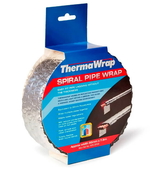
Duct tape or a specialised foil tape for sealing joints.
Before beginning, it is important to ensure that the pipes are clean and dry. Any dust or grease on the pipe surface can prevent self-sealing strips from adhering properly.
Measuring Your Pipes Correctly
Accurate measurement is the first and most critical step. There are two key dimensions to consider:
-
Bore Size: This refers to the internal diameter of the insulation tube and must match the outer diameter of the pipe you are insulating. A common mistake is to measure the pipe's nominal size (e.g., 15mm or 22mm), which refers to its internal diameter. The insulation must fit snugly around the outside of the pipe. An easy way to measure the outer diameter is to use an adjustable spanner: tighten it onto the pipe, then measure the gap between the jaws.
-
Wall Thickness: This is the thickness of the insulation material itself. A thicker wall provides greater thermal resistance. The required wall thickness depends on the application and is often dictated by regulations.
Finally, measure the total length of the pipework that needs to be covered. It is wise to purchase slightly more than you need to account for any cutting mistakes.
Cutting and Fitting on Straight Pipes
For straight sections of pipe, the process is simple. Measure the required length, mark the insulation tube, and make a clean, straight cut.
-
For standard slit insulation: Open the pre-cut slit and slide the tube over the pipe. To secure it, use cable ties or wrap tape around the seam at regular intervals of approximately 300mm to 600mm.
-
For self-sealing insulation: This type has adhesive strips along the inside of the slit. After fitting the tube over the pipe, simply peel away the protective backing from the strips and press the two sides of the seam firmly together along its entire length.
Handling Bends and Joints
Creating a neat and effective seal around bends and joints is a mark of quality installation and is essential for performance. Any gaps at these points will create a 'thermal bridge', a path for heat to bypass the insulation, rendering it ineffective at that spot.
-
90-Degree Sharp Bends: The best method for a sharp corner is to create a mitre joint. Take two pieces of insulation and cut the end of each at a 45-degree angle. When these two pieces are pushed together on the pipe, they will form a perfect 90-degree bend. The joint should then be securely sealed with tape to prevent it from opening.
-
T-Pieces: To insulate a T-junction, a specific cutting technique is required. On the piece of insulation that will cover the main 'run' of the pipe, cut a 90-degree wedge out at the point where the branch pipe joins. Then, take the piece of insulation for the branch pipe and cut its end into a point by making two 45-degree cuts (often called a 'fish-mouth' cut). This pointed end can then be inserted snugly into the wedge cut-out on the main piece. The entire junction should be thoroughly taped to ensure it is secure and airtight.
-
Gentle or Curvy Bends: For gradual curves, a full mitre joint is not necessary. Instead, cut a series of small, 30-degree V-shaped notches on the inside of the curve of the insulation tube. These notches will close up as the insulation is bent around the pipe, allowing it to follow the curve without kinking or buckling. Once in place, tape over the external cuts to seal them.
Ensuring a Continuous Barrier
To be effective, the insulation must form a continuous sheath over the entire pipe network. When joining two straight lengths of insulation, ensure the ends are cut squarely and pushed firmly together. This butt joint should then be sealed with tape to prevent gaps from forming. Pay special attention to areas around pipe support clips and wall brackets. These can be difficult to insulate, but leaving them exposed creates a significant cold spot. The best practice is to cut the insulation to fit tightly on either side of the bracket, minimising the exposed area as much as possible.
UK Pipe Insulation Standards and Regulations Explained 
In the United Kingdom, the installation of pipe insulation is governed by a set of standards and regulations designed to improve energy efficiency, ensure water safety, and promote good building practices. For homeowners and installers, the most relevant of these are the Building Regulations Part L, the Water Supply (Water Fittings) Regulations 1999, and the British Standard BS 5422.
Building Regulations Part L (Conservation of Fuel and Power)
Part L of the UK Building Regulations is focused on conserving energy. Its primary goal is to reduce the amount of fuel and power consumed by buildings, thereby lowering carbon emissions. In practical terms for pipework, Part L mandates that insulation must be applied to minimise heat loss.
The regulations require that primary circulation pipes for domestic hot water systems be insulated throughout their entire length. Additionally, any pipes connected to space heating systems, such as central heating, must be insulated wherever they pass through unheated spaces. This includes pipes running through lofts, garages, unheated basements, and floor or wall voids that are open to unheated areas. This is a legal requirement for all new buildings and also applies when heating systems are replaced or significantly altered in existing properties.
The Water Supply (Water Fittings) Regulations 1999
The main purpose of these regulations is to protect public health by preventing the contamination of the public water supply. They also aim to prevent the undue consumption and waste of water.
From an insulation perspective, the key requirement relates to frost protection. The regulations state that any water fitting laid below ground must have a sufficient depth of cover to prevent the water inside it from freezing. For internal pipework, the regulations require that pipes and fittings be protected from freezing. Guidance issued by water utility companies often provides more specific recommendations. For example, it is common for water authorities to specify that insulation on external pipes or those in unheated areas must be sufficient to provide at least 12 hours of frost protection. They may also recommend specific minimum wall thicknesses for insulation depending on the pipe size and material.
Understanding BS 5422:2023
BS 5422 is the main British Standard that provides the "Method for specifying thermal insulating materials for pipes, tanks, vessels, ductwork and equipment". It is the technical 'rulebook' that engineers and specifiers use to determine the correct type and thickness of insulation for a given application.
The standard was updated in 2023 to reflect advances in materials and a greater emphasis on energy efficiency. A key change was the introduction of both 'base' and 'enhanced' performance levels, encouraging higher standards of insulation. The standard contains detailed tables that calculate the minimum insulation thickness required to achieve a specific outcome, such as limiting heat loss to a certain number of watts per metre or preventing surface condensation under defined temperature and humidity conditions. While the full standard is a complex technical document, its principles inform the simplified guidance found in documents like the Building Regulations.
Fire Safety
Fire safety is another important consideration addressed by regulations and standards. Materials are tested and classified according to the European Euroclass system, which rates them from A1 (non-combustible) to F (highly combustible). Building Regulations Part B (Fire Safety) and BS 5422 specify minimum fire performance ratings for insulation products, particularly in commercial buildings, high-rise residential buildings, and along escape routes. For a typical domestic property, while the rules are less stringent, being aware of the fire rating of the chosen insulation material is good practice. Mineral wool, for example, is non-combustible (A1), whereas foam plastics typically have lower ratings (e.g., B, C, or E).
Table 2: Simplified Guide to Minimum Insulation Thickness (Based on BS 5422)
The following table provides a simplified guide to the minimum recommended wall thickness of insulation for common domestic pipe sizes, based on the requirements of UK Building Regulations and the principles of BS 5422. These thicknesses are intended for domestic heating and hot water pipes located in unheated areas to control heat loss and provide a degree of frost protection.
Pipe Outer Diameter (mm) |
Minimum Recommended Insulation Wall Thickness (mm) |
| 15 | 20 |
| 22 | 20 |
| 28 | 25 |
| 35 | 25 |
This table is a simplified guide for common domestic applications based on UK Building Regulations and British Standards. For specific commercial or industrial applications, or for situations with extreme temperatures or humidity, a full calculation according to BS 5422:2023 should be performed by a qualified professional.
Legal Disclaimer
The information provided in this article is for general guidance and informational purposes only. While every effort has been made to ensure the accuracy and currency of the content, it does not constitute professional, legal, or engineering advice. The content should not be relied upon as a definitive statement of law or as a substitute for consultation with a suitably qualified professional.
In no event will the authors or publishers be liable for any loss or damage, including without limitation, indirect or consequential loss or damage, arising from the use of, or reliance on, the information contained within this article. Building regulations, standards, and best practices are subject to change and may vary depending on your specific circumstances and location within the UK.
You are strongly advised to consult with a qualified and insured professional, such as a plumber or insulation specialist, to assess your specific requirements and ensure that any work undertaken complies with all current regulations and manufacturer's installation instructions. Do not use this content to specify materials for any project without professional verification.
Samuel Hitch
Managing Director
Buy Insulation Online.
Leave A Reply
Your feedback is greatly appreciated, please comment on our content below. Your email address will not be published. Required fields are marked *

