
- Blogs
- A Comprehensive Guide to Wickes Insulation Boards in the United Kingdom
A Comprehensive Guide to Wickes Insulation Boards in the United Kingdom
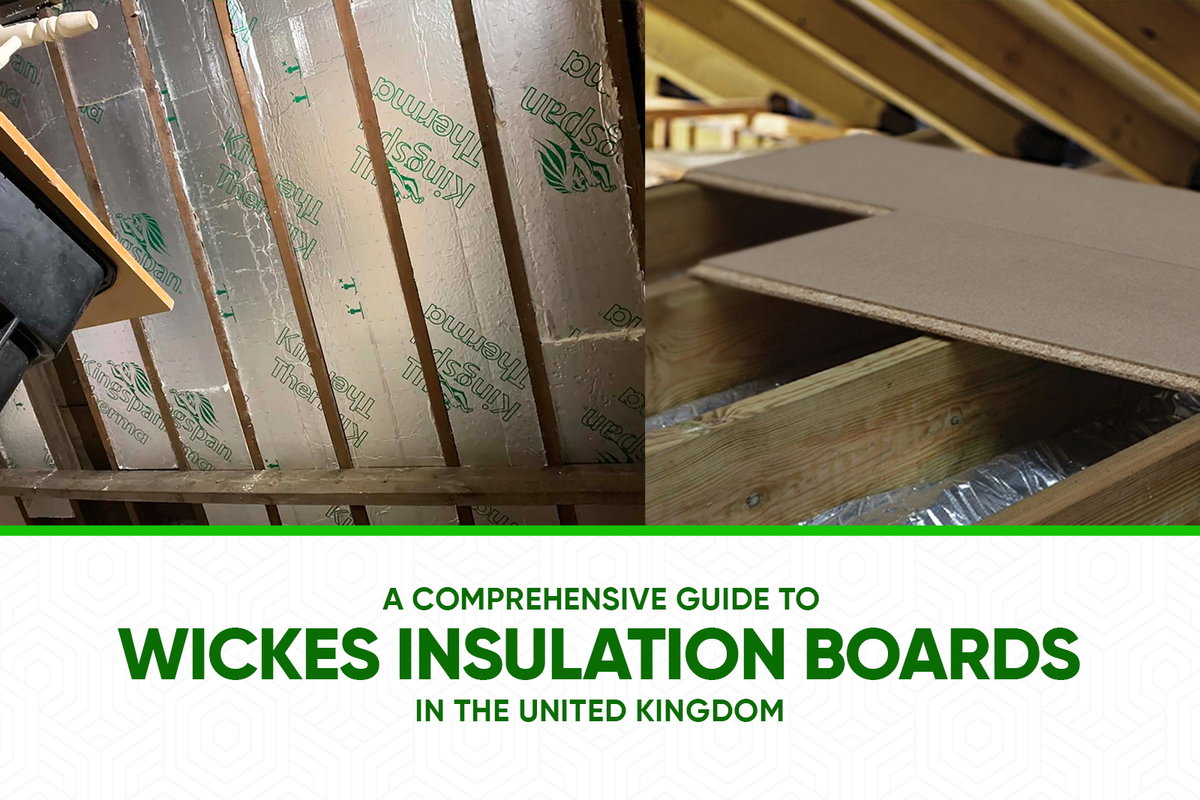

The Environmental and Architectural Context of UK Insulation
The residential landscape of the United Kingdom presents a unique set of challenges for thermal regulation. A significant portion of the nation's housing was constructed prior to the 1920s, an era characterised by solid wall construction that offers negligible resistance to heat transfer. Statistics indicate that approximately 33% of all heat lost in uninsulated homes escapes through the walls, while the roof accounts for another 25%. In a climate defined by high humidity and seasonal temperature fluctuations, the choice of insulation material is not merely a matter of comfort but a fundamental requirement for building longevity and carbon reduction.
Wickes has established itself as a primary supplier for both trade professionals and residential users, offering a variety of rigid insulation boards that cater to these specific British architectural needs. The transition from traditional mineral wool to high-performance rigid boards represents a significant shift in building physics. Rigid boards allow for thinner profiles, which is essential in the UK where internal space is often at a premium. By utilising materials with low thermal conductivity, such as Polyisocyanurate (PIR) and Phenolic foam, it is possible to meet modern building standards without significantly compromising the internal footprint of a room.
The drive toward better insulation is underpinned by the UK Government's commitment to reaching net-zero carbon emissions by 2050. Residential buildings are responsible for roughly 40% of the UK's total energy consumption and 30% of its carbon emissions. Therefore, the implementation of advanced insulation boards is a critical strategy in the national energy security plan. Improving the thermal envelope of a building reduces the demand on the National Grid and the gas network, especially as the country moves toward low-carbon heating systems like air-source heat pumps, which operate most efficiently in well-insulated environments.
Materials Science: Understanding Rigid Insulation Chemistry
The insulation boards found in the Wickes inventory are categorised by their chemical composition and the specific manufacturing processes used to create their cellular structures. Each material offers distinct advantages regarding thermal resistance, compressive strength, and moisture management.
Polyisocyanurate (PIR) Technology
Polyisocyanurate is a thermoset plastic produced as a foam and used as rigid thermal insulation. The chemistry involves a reaction between methylene diphenyl diisocyanate (MDI) and a polyol, with a high index of isocyanate. The result is a highly cross-linked polymer structure that is remarkably stable and heat-resistant. Most PIR boards available at Wickes, such as those from the Kingspan and Celotex ranges, are manufactured with a closed-cell structure. These cells trap low-conductivity gases, which is the primary reason for the material's superior thermal performance.
One of the defining features of PIR boards is the inclusion of low-emissivity aluminium foil facings on both sides. This foil serves a dual purpose. Firstly, it reflects radiant heat back into the building during winter and away from it during summer. Secondly, it functions as a highly effective vapour control layer. When the joints between boards are sealed with specialised aluminium tape, the system becomes virtually impermeable to water vapour, protecting the building fabric from interstitial condensation.
Polystyrene: Expanded (EPS) vs Extruded (XPS)
Polystyrene remains a staple in the UK construction industry due to its versatility and cost-effectiveness. However, the two primary forms of polystyrene insulation—Expanded and Extruded—serve very different roles.
Expanded Polystyrene (EPS), represented by brands like Jabfloor and Jablite, is created by expanding small beads of polystyrene in a mould using steam. The resulting board is lightweight and consists of approximately 98% air. While its thermal conductivity is generally higher than PIR, EPS offers excellent compressive strength. This makes it suitable for ground-bearing floors where it must support the weight of a concrete slab or floor screed.
Extruded Polystyrene (XPS) is manufactured through a continuous extrusion process that creates a closed-cell structure with no voids between the beads. This process results in a much denser material than EPS, with significantly higher moisture resistance. At Wickes, XPS is frequently used in specialised products like the NoMorePly and STS tile backing boards. Because XPS does not absorb water, it is the preferred material for wetrooms, bathrooms, and external applications where the insulation may be exposed to moisture or liquid water.
Phenolic Foam: The High-Performance Variant
Phenolic foam is often considered the premium choice for rigid insulation. It is manufactured from a phenolic resin and has an even finer closed-cell structure than PIR. This allows phenolic boards to achieve the lowest thermal conductivity of any common building material, often as low as 0.018 W/mK. In the UK market, phenolic boards are used where space is extremely limited or where the highest levels of thermal efficiency are required to meet demanding building codes. While more expensive, the reduced thickness required to achieve a specific U-value can provide a significant advantage in renovation projects.
Technical Specifications of the Wickes PIR Range
The PIR boards at Wickes are primarily supplied by Kingspan and Celotex, two manufacturers that have shaped the standards of the UK insulation market. These products are divided into specific ranges based on their intended application, whether for roofs, walls, or floors.
Kingspan Thermapitch TP10 for Pitched Roofs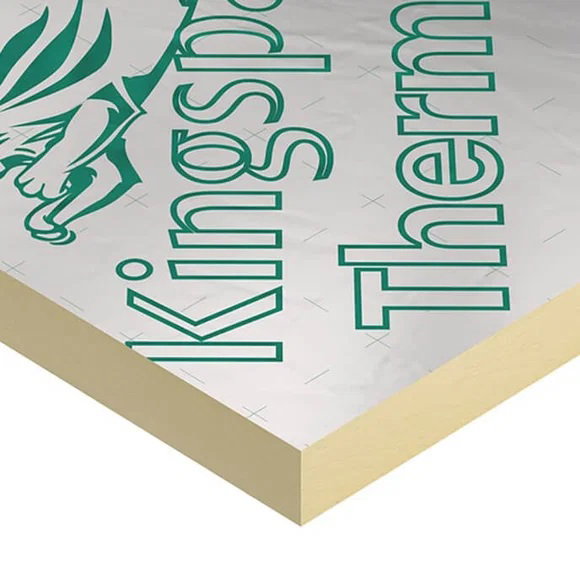
The TP10 range is engineered specifically for use in tiled or slated pitched roofs. It is suitable for both new builds and the refurbishment of existing lofts. The boards are designed to be installed between rafters, where their rigid nature provides a stable and durable thermal barrier.
| Specification | Kingspan TP10 (100mm) | Kingspan TP10 (50mm) | Kingspan TP10 (25mm) |
| Length | 2400 mm | 2400 mm | 2400 mm |
| Width | 1200 mm | 1200 mm | 1200 mm |
| Thickness | 100 mm | 50 mm | 25 mm |
| Thermal Conductivity | 0.022 W/mK | 0.022 W/mK | 0.022 W/mK |
| Unit Coverage | 2.88 m2 | 2.88 m2 | 2.88 m2 |
| Fire Rating | Euroclass F | Euroclass F | Euroclass F |
The uniformity of the thermal conductivity (0.022 W/mK) across different thicknesses allows architects and builders to calculate precise U-values. The 100mm board is a frequent choice for modern roof renovations, as it provides a high level of efficiency while still allowing for the necessary ventilation gap required in cold-roof constructions.
Kingspan Thermawall TW50 for Cavity Walls
The TW50 board is specialised for partial-fill cavity wall insulation. Unlike full-fill mineral wool, TW50 is designed to leave a residual cavity between the insulation and the outer leaf of the masonry. This clear cavity is essential in the UK to prevent moisture from tracking across the wall from the external bricks to the internal living space.
| Specification | Kingspan TW50 (100mm) | Kingspan TW50 (50mm) |
| Length | 1200 mm | 1200 mm |
| Width | 450 mm | 450 mm |
| Thickness | 100 mm | 50 mm |
| Thermal Conductivity | 0.022 W/mK | 0.022 W/mK |
| Unit Coverage | 0.54 m2 | 0.54 m2 |
| Moisture Resistance | Resists penetration | Resists penetration |
The 450mm width is a deliberate design choice, as it aligns with standard wall tie spacings in UK construction, facilitating a faster and more secure installation process. The boards are unaffected by air infiltration, ensuring that their thermal performance remains consistent even in windy coastal environments.
Polystyrene Board Analysis: Jabfloor and Jablite
While PIR offers high thermal resistance, polystyrene boards are indispensable for floor and external wall applications. The Jabfloor 70 range at Wickes is a common sight on British building sites, particularly during the early stages of a project.
Jabfloor 70 for Domestic Floors
Jabfloor 70 is named after its compressive strength of 70 kPa at 10% compression. This level of strength is specifically tailored for domestic floor loads. It can be used in various floor configurations, including ground-bearing slabs and suspended concrete floors.
| Dimensions | Thickness | Material Type | Usage |
| 2400 x 1200 mm | 50 mm | EPS 70 | Solid Floors |
| 2400 x 1200 mm | 25 mm | EPS 70 | Solid Floors |
| 2400 x 600 mm | 50 mm | EPS 70 | Multi-purpose |
| 2400 x 600 mm | 25 mm | EPS 70 | Multi-purpose |
The use of EPS in floors is advantageous because the material is chemically inert and does not degrade over time. It provides a stable base for underfloor heating pipes, which can be clipped directly into the polystyrene before the screed is poured.
Jablite HP+ for External Wall Insulation
For properties with solid walls, external wall insulation (EWI) is often the most effective solution. The Jablite HP+ range utilizes an enhanced grey EPS that contains graphite. This graphite acts as an infrared absorber and reflector, significantly reducing the heat transfer through the board compared to standard white EPS. A 50mm HP+ board offers a balance between thermal improvement and the practicalities of extending window sills and roof eaves to accommodate the new wall thickness.
Specialized Wetroom and Underfloor Heating Boards
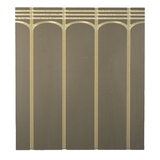
The modern British bathroom often features large-format tiles and electric underfloor heating, both of which require a specialised substrate that standard plasterboard cannot provide. Wickes stocks the NoMorePly and STS ranges to address these requirements.
Buy Wickes Insulation Boards
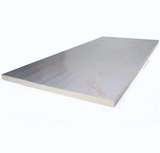
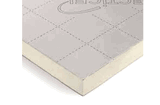
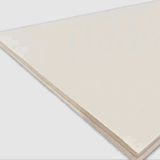
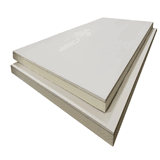
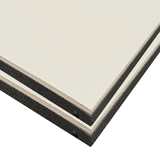
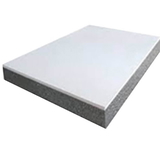
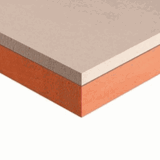
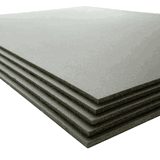
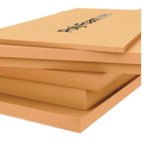
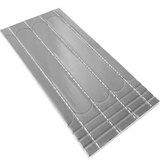
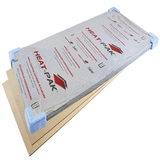
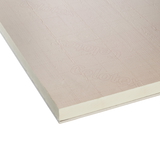
NoMorePly XPS Insulation Boards
These boards are constructed from a high-density XPS core with a polymer-modified cement coating reinforced with glass fibre mesh. This combination makes them 100% waterproof and provides an exceptional bond for tile adhesives.
| Feature | NoMorePly XPS (20mm) | NoMorePly XPS (12.5mm) |
| Thickness | 20 mm | 12.5 mm |
| Coverage | 0.72 m2 | 0.72 m2 |
| Weight | 3.74 kg | 2.50 kg |
| Usage | Interior & Exterior | Interior & Exterior |
| Base Material | XPS / Cement | XPS / Cement |
A significant benefit of these boards is their ability to prevent the heat from an electric underfloor heating mat from sinking into the subfloor. Instead, the insulation reflects the heat upward toward the tiles, reducing warm-up times and energy consumption. The 10mm and 12.5mm versions are frequently used to replace old plasterboard in shower enclosures, providing a stable, non-rotting surface for tiling.
Insulated Plasterboards: The Thermal Laminate Solution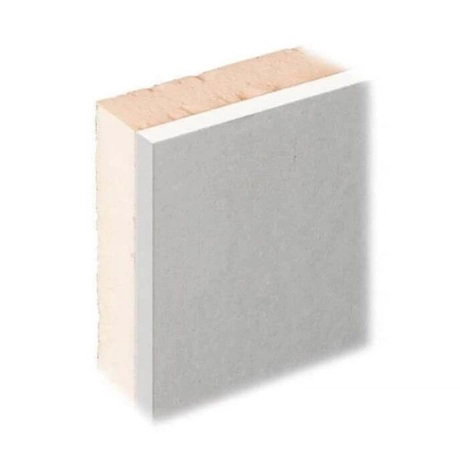
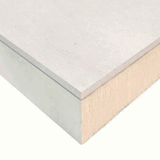
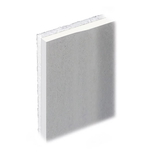
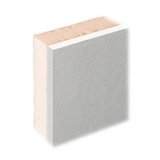
For internal wall insulation (IWI), thermal laminate boards are a highly efficient choice. These products, such as the Knauf XPS Laminate Plus available at Wickes, combine a standard 9.5mm gypsum wallboard with a high-performance insulation core in a single unit.
Knauf XPS Laminate Plus Specifications
This board is designed for both refurbishment and new build projects. It is particularly effective for lining the internal face of external walls or for room-in-roof situations where space is at a premium.
-
Dimensions: 2400 mm x 1200 mm
-
Total Thickness: 27 mm
-
Insulation Material: CFC and HCFC-free Extruded Polystyrene
-
Edge Detail: Tapered edge for easy jointing
-
Thermal Conductivity: 0.033 W/mK
The integration of the insulation and the plasterboard allows for a one-stage installation process. These boards can be fixed to the wall using the "dot and dab" method with gypsum-based adhesives or mechanically fixed to timber or metal frames. The tapered edges facilitate a seamless finish, ready for direct decoration or a thin plaster skim.
The Legislative Framework: Part L of the Building Regulations
All insulation projects in the United Kingdom must comply with the Building Regulations, specifically Approved Document Part L, which focuses on the conservation of fuel and power. The 2022 updates to these regulations represent a significant step toward the Future Homes Standard, mandating higher levels of efficiency than ever before.
Target U-Values for Compliance
A U-value measures the rate of heat transfer through a structure. The goal of using Wickes insulation boards is to achieve the lowest possible U-value within the constraints of the project.
| Building Element | New Dwellings (Max U-Value) | Existing Building (Extension) |
| Flat or Pitched Roof | 0.11 W/m2K | 0.15 W/m2K |
| External Walls | 0.18 W/m2K | 0.26 W/m2K |
| Ground Floors | 0.13 W/m2K | 0.18 W/m2K |
| Windows and Doors | 1.2 W/m2K | 1.6 W/m2K |
Achieving a U-value of 0.11 W/m2K for a roof is a significant engineering challenge. It often requires a multi-layered approach, such as 100mm of PIR between the rafters and an additional 50mm of PIR fixed across the face of the rafters to eliminate thermal bridging.
Regulation 40 and Energy Security
Regulation 40 of the Building Regulations mandates that buildings must be constructed to minimise the use of fuel and power. This includes an emphasis on reducing heat loss in winter and heat gain in summer. With energy prices in the UK remaining volatile, compliance with Regulation 40 is essential for reducing the long-term operational costs of a property. The Standard Assessment Procedure (SAP) is used to calculate the energy performance of a home, and the choice of insulation board is one of the most influential factors in this calculation.
Engineering the Thermal Envelope: Professional Installation
The effectiveness of any insulation board is heavily dependent on the quality of the installation. Even small gaps can lead to thermal bridging, where heat bypasses the insulation, significantly reducing the overall efficiency of the system.
Precision Cutting and Fitting
Rigid boards do not compress, meaning they must be cut with a high degree of accuracy. For PIR boards, a fine-toothed saw is generally used for thicknesses over 50mm. For thinner boards, such as the 25mm TP10 or the XPS tile backer boards, a sharp utility knife can be used to score the surface and snap the board cleanly.
In many UK homes, rafters and joists are not perfectly square. In these instances, it is advisable to measure both the top and the bottom of the opening. Cutting the board slightly undersized and sealing the perimeter with expanding foam is often more effective than forcing a tight-fitting board, which can lead to air gaps or structural stress.
The Role of Specialized Tapes and Adhesives
To achieve a continuous thermal envelope, the joints between boards must be managed carefully. Aluminium foil tape is used to seal the joints of PIR boards, maintaining the integrity of the vapour control layer. Wickes provides 50mm x 45m self-adhesive foil tape for this purpose. This tape ensures that the system is airtight, preventing draughts and reducing heat loss via convection.
For bonding boards to masonry surfaces, specialised adhesives such as the STS Mega Strength PU Adhesive are used. This adhesive foams slightly upon application, filling small gaps and providing an exceptionally strong bond. In fire-sensitive areas, intumescent sealants and adhesives are required to ensure that the insulation system does not compromise the fire integrity of the building.
Managing Thermal Bridging
Thermal bridging occurs where a more conductive material, such as a timber rafter or a steel beam, penetrates the insulation layer. To combat this, modern installation methods often involve a continuous layer of insulation over or under the structural elements. This "over-boarding" technique ensures that the structural components of the building are kept at a stable temperature, reducing the risk of condensation and thermal stress.
Safety Protocols and Personal Protective Equipment
Working with insulation boards requires strict adherence to safety protocols. While PIR and polystyrene are generally non-harmful materials, the process of cutting and installing them can generate dust and debris.
-
Respiratory Protection: Cutting PIR foam produces a fine dust that can be a respiratory irritant. A suitable face mask is essential when sawing boards, especially in enclosed spaces like lofts.
-
Eye Protection: Safety goggles should be worn to prevent foam particles or foil shards from entering the eyes.
-
Skin Protection: Some individuals find the glass fibre reinforcement in cement-coated boards or the chemicals in the foam to be skin irritants. Wearing gloves and long sleeves is recommended.
-
Electrical Safety: Before installing insulation in lofts or walls, the power should be turned off at the mains consumer unit if there is any risk of coming into contact with electrical cables. Cables should never be covered with insulation, as this can lead to overheating; they should be lifted and laid over the top of the insulation.
Building Health: Moisture, Condensation, and Ventilation
A common misconception is that "more insulation is always better." However, in the UK's damp climate, adding insulation must be balanced with adequate ventilation. When a building is made more airtight, the moisture generated by daily activities—such as cooking, bathing, and breathing—can become trapped.
Interstitial Condensation
This occurs when water vapour passes through the internal wall and condenses on a cold surface within the wall structure. If left unchecked, it can lead to rot in timber frames and the degradation of masonry. Using the foil-faced boards from Wickes as a vapour control layer is a primary defence against this. The foil prevents the vapour from reaching the cold outer leaf of the wall.
Breathability in Older Buildings
When insulating pre-1920s buildings, the use of non-permeable rigid boards can sometimes be problematic. Traditional brick and flint walls rely on the movement of moisture to stay dry. In these cases, it is often necessary to use a hybrid approach or ensure that a significant ventilation gap is maintained behind the insulation. The transition from a "breathable" wall to a sealed system must be handled with care to avoid trapping moisture within the original fabric of the building.
The Necessity of Controlled Ventilation
As insulation boards reduce natural air leakage, mechanical ventilation becomes necessary. This might include simple trickle vents in windows or more advanced systems like Decentralised Mechanical Ventilation with Heat Recovery (dMVHR). These systems ensure a constant supply of fresh air while recovering the heat from the outgoing stale air, maintaining a healthy indoor environment without sacrificing thermal efficiency.
The Economics of Insulation: Costs, Savings, and EPC Ratings
Improving the insulation of a UK home is an investment that provides both immediate and long-term financial returns. With energy prices remaining significantly higher than historical averages, the payback period for insulation has shortened considerably.
Potential Energy Bill Reductions
Research from the Energy Saving Trust and the Energy and Climate Intelligence Unit (ECIU) details the disparity in running costs between insulated and uninsulated homes.
| Property Efficiency Rating | Estimated Annual Energy Bill (Typical) | Disparity vs Band C |
| EPC Band C (Target) | 1,755 pounds | 0 pounds |
| EPC Band D (Average) | 1,965 pounds | +210 pounds |
| EPC Band F (Poor) | 2,325 pounds | +570 pounds |
For a typical three-bedroom semi-detached home, installing cavity wall insulation can save around 210 pounds annually, while loft insulation can save approximately 270 pounds. While the initial cost of solid wall insulation (internal or external) is higher, ranging from 7,500 to 12,000 pounds, the annual savings of around 380 to 415 pounds represent a significant reduction in the property's carbon footprint and operational costs.
Impact on Property Value and Rental Legislation
An Energy Performance Certificate (EPC) is a legal requirement for selling or renting a property in the UK. The rating, from A to G, is a key metric for potential buyers and tenants. Properties with higher ratings are generally more desirable and can command higher prices.
Furthermore, UK legislation has become increasingly strict regarding rental properties. Currently, most domestic private rented properties must have a minimum EPC rating of E. There have been ongoing discussions regarding raising this minimum to C for new tenancies. Using high-performance insulation boards is often the only way for older solid-wall properties to achieve these higher bands.
VAT and Government Incentives
To encourage the adoption of energy-efficiency measures, the UK Government has zero-rated the VAT on the installation of home insulation until March 2027. This 0% VAT rate applies to both materials and labour when installed by a professional contractor. Additionally, schemes like ECO4 provide grants for low-income households and those in the least efficient properties to help cover the costs of insulation upgrades.
Conclusion: Developing a Strategic Insulation Plan
The successful application of Wickes insulation boards requires a comprehensive understanding of both material properties and the specific needs of the building. The PIR ranges, represented by Kingspan TP10 and TW50, offer the highest thermal performance for roofs and walls, while Jabfloor and Jablite provide the necessary compressive strength for floor applications. Specialist XPS boards from NoMorePly and STS are essential for the longevity of wetrooms and the efficiency of underfloor heating systems.
By aligning insulation choices with the requirements of Part L of the Building Regulations, homeowners and developers can ensure that their projects meet the highest standards of energy efficiency. This not only reduces carbon emissions and energy bills but also protects the structural integrity of the property and enhances its market value. In the context of the UK's aging housing stock, the strategic use of high-performance rigid insulation boards is a fundamental component of creating a sustainable and comfortable built environment.
UK Legal Disclaimer: The information contained within this report is provided for general informational and educational purposes only and does not constitute professional architectural or building advice. Insulation requirements vary significantly depending on the specific construction, age, and location of a property. All building work must be carried out in strict accordance with the current UK Building Regulations, and it is essential that all material specifications are verified by a qualified building surveyor, architect, or building control officer prior to the commencement of any works. No liability is accepted for any errors or omissions, or for any loss or damage resulting from the use of this information. Users are advised to consult the manufacturer's technical data sheets, COSHH assessments, and installation guides for all specific products. The suitability of any product for a particular application should be confirmed with the relevant manufacturer or a professional advisor. All energy saving estimates are based on average UK figures and may not reflect the actual savings for any specific property. Always check local planning permissions, especially for external wall insulation on listed buildings or in conservation areas.

Samuel Hitch
Managing Director
Buy Insulation Online.
Leave A Reply
Your feedback is greatly appreciated, please comment on our content below. Your email address will not be published. Required fields are marked *