x

The UK Spray Foam Insulation Mortgage Crisis

Spray Foam Insulation

Remediation Economics, Surveyor Downgrades, and Lender Policy Compliance in 2026

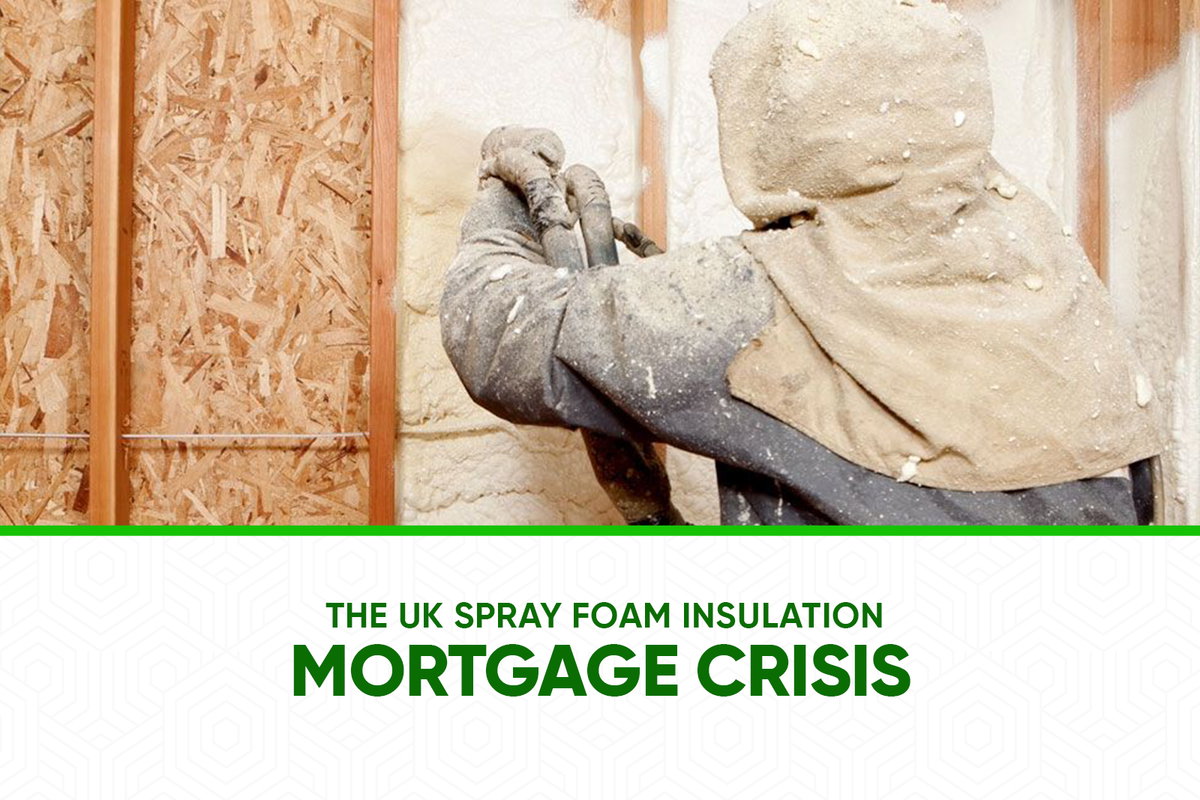
The UK housing market is facing a major mortgageability problem linked to retrofit spray foam insulation. More than 250,000 homes are affected and many have become effectively unmortgageable because roof timbers can no longer be properly inspected. Lenders, surveyors, sellers, buyers, and landlords are all now dealing with the knock-on effects of structural uncertainty, valuation downgrades, and remediation costs.

Section 1: Why Lenders Treat Spray Foam as a Structural Risk

Spray foam installed directly onto roof felt, tiles, or rafters blocks the natural ventilation path in traditional UK roofs, changing the moisture balance and trapping condensation against the roof deck and timber. This can lead to hidden wet rot (Coniophora puteana) or dry rot (Serpula lacrymans) behind the foam layer, while also preventing surveyors from carrying out normal visual inspection of the load-bearing roof structure.

A joint PCA and HomeOwners Alliance investigation found structural defects in 35% of more than 500 inspected properties with spray foam insulation. Additionally, polyurethane foam typically carries a Class E fire safety rating under BS EN 13501-1 — meaning it will resist a small flame for only seconds before accelerating flame spread.

Section 2: Mortgage Lending in 2026

The overall lender rejection rate for affected properties is 75%, and no equity release providers will lend on retrofit spray foam homes. Even where a lender claims to assess cases individually, transactions often fail once the survey confirms that roof timbers cannot be inspected.

Lender Policy Key Requirement
Halifax Decline Refuses all applications where foam is on roof timbers/tiles
Barclays Reject Full removal + timber survey before approval
Nationwide Decline Will not lend if foam touches roof timbers
HSBC Refuse Clear visual path for structural inspection required
NatWest / RBS Restrict Pending removal and re-inspection
Santander Refuse Outright rejection if foam identified in survey
TSB Outright decline Zero-lending policy on roof-space spray foam
Aviva Outright decline Automatic rejection for all equity release products

A March 2026 ministerial roundtable convened by Energy Security Minister Martin McCluskey brought together spray foam manufacturers, major lenders, Citizens Advice, and the PCA. However, the commercial reality remains unchanged: without visual proof of timber safety, underwriters maintain strict risk aversion.

Section 3: Surveyor Downgrades — Condition Rating 3

RICS chartered surveyors are professionally mandated to issue a Condition Rating 3 when spray foam is identified in a loft. This designates the property as having serious, urgent defects requiring immediate specialist intervention before a valuation can be established. If the roof structure cannot be inspected visually, surveyors must assume possible defect — effectively forcing a nil-value designation.

Typical survey reports use standardised language: "Spray foam insulation noted. Unable to inspect timber condition. Retention recommended until foam removed and timber inspected by qualified surveyor."

Homeowners are often frustrated to discover that second opinions from other surveyors yield identical results, as all accredited professionals must adhere to the same RICS professional standards.

Section 4: The Economics of Spray Foam Removal

A remediation budget of £4,000 represents a fair estimate for removing open-cell spray foam from a standard three-bedroom detached property, at approximately £40/m² plus VAT for a standard 80m² roof space. Closed-cell foam, which cures into a rock-hard structural adhesive, can escalate to £20,000 where specialised cryogenic dry ice blasting (at -78°C) or structural rafter replacement is required.

Additional costs to budget for include:

  •  Scaffolding hire: £500 – £1,500
  •  Hazardous waste disposal: £150 – £400
  •  Final structural timber audit: £100 – £300


Spray Foam Removal Cost Ranges by Scenario (2026)


Chart: Minimum and maximum removal costs across three remediation scenarios. Source: Checkatrade / SFRA 2026.

Section 5: Cash Sale vs. Remediation — The Financial Case

Sellers who avoid the mortgage market and sell to a cash buyer typically face discounts of 15% to 40% below comparable market value. On a £300,000 home, that represents a capital loss of £45,000 to £120,000 — far greater than the average professional removal cost for most open-cell cases.

Cash Sale Discount vs Removal Cost on a £300,000 Property


Chart: Capital loss from cash buyer discounts vs cost of professional spray foam removal. Source: SFRA 2026.

Attempting to conceal spray foam on the Law Society's TA6 Property Information Form (6th edition, in force from 30 March 2026) constitutes deliberate misrepresentation under UK civil law. Buyers who discover concealed foam post-completion are legally entitled to sue for the full cost of a new roof — typically £23,000 to £30,000 — plus legal fees and damages.

Section 6: Replacement Insulation Options

After foam removal, a range of compliant alternative insulation materials can be installed, all of which are accessible for future inspection. Costs range from approximately £5/m² for fibreglass to £30/m² for rigid PIR boards.

Material Cost per m² Primary Advantage
Fiberglass £5 – £10 Cost-effective, easy to install or replace
Mineral Wool £8 – £15 Superior thermal performance and exceptional fire resistance
Cellulose £6 – £12 Environmentally friendly and effective air-sealing
Rigid PIR Boards £15 – £30 Maximum thermal efficiency with built-in moisture control
Sheep Wool £10 – £25 Natural, sustainable, and highly vapour-permeable


Alternative Insulation Types: Average Cost per m² (2026)


Chart: Midpoint replacement insulation costs after spray foam removal. Source: MyBuilder 2026.

Section 7: Cryogenic Dry Ice Blasting — The Gold Standard for Closed-Cell Foam

For closed-cell foam, manual scraping is not viable without splintering the rafters. Cryogenic dry ice blasting uses pressurised carbon dioxide pellets at -78°C to freeze and shatter the adhesive bond. The rapid thermal shock causes the foam to contract and pull cleanly away from the wood substrate, with no liquid residue or chemical solvents left behind.

Technicians must still deploy commercial negative air pressure units and HEPA filtration to contain micro-particulate dust. Older HFC-blown foam installations may also off-gas toxic vapours for years, requiring rigid environmental containment during extraction.

Section 8: Post-Removal Compliance Certificates

To restore lender acceptance after removal, sellers must obtain one of two compliance certificates:

  • Digital Distance Certificate — £349 inc VAT: For basic, damage-free open-cell removals. The owner submits high-resolution photo and video logs of cleared joists for independent surveyor sign-off.
  • In-Person Inspection Certificate — £699 inc VAT: Mandatory where active timber rot was present, structural rafter repairs were required, or the buyer's specific lender demands a physical site audit.

Conclusion

Spray foam insulation has created a compounding mortgage, valuation, and building-risk problem across more than 250,000 UK properties. The data is clear: for most homeowners, professional pre-sale remediation at an average of £4,000 is significantly less damaging than accepting a cash-buyer discount of 15%–40%, which on a typical £300,000 property represents a loss of up to £120,000. With lender policy uniform and RICS surveyor standards fixed, the path back to full mortgageability runs through documented professional removal and a valid compliance certificate.


Leave A Reply

Your feedback is greatly appreciated, please comment on our content below. Your email address will not be published. Required fields are marked *

Request a Call back

closeclose
Captcha Image

Request a Quote

closeclose
Captcha Image