Expanding Poly Foam
Expanding poly foam is produced through a chemical reaction between polyols and diisocyanates, which generates heat and emits carbon dioxide. This gas forms bubbles that evolve into foam cells, resulting in the material's distinctive cellular structure. Surfactants and catalysts play a crucial role in stabilising these bubbles and regulating expansion.
The characteristics of the foam can vary significantly based on its formulation, making it ideal for applications such as insulation, sealing, and cushioning. Additionally, an exploration of how manufacturing techniques and environmental conditions impact the performance and safety of the foam underscores its versatility in various settings.
This material is widely utilised in construction, automotive, and packaging industries, demonstrating its importance in providing effective solutions for a range of needs.
The Chemical Foundations of Polyurethane Expansion
The expansion of polyurethane foam is based on a series of chemical reactions that generate gas and create a solid structure. The process begins with the reaction between polyols and diisocyanates, which releases heat and forms urethane linkages. This reaction also produces carbon dioxide (CO?), which forms bubbles within the material. The generation of CO? is a key factor in the foam's cellular structure. In some cases, water reacts with isocyanates, generating additional CO?, further aiding the expansion of the foam. The outcome of these reactions results in both flexible and rigid segments within the foam, depending on the specific chemicals employed. Surfactants and catalysts play a crucial role in determining how effectively the bubbles form and stabilise, which directly influences the final texture of the foam. Achieving the right balance of components is essential to ensure that the foam expands uniformly and hardens into a strong, stable material. This intricate chemistry is vital for producing high-quality polyurethane foam, which is suitable for a wide range of applications.
How Foam Cells Form and Stabilize
Foam cell formation commences when isocyanates react with water, leading to the release of carbon dioxide that generates bubbles within the mixture. These bubbles act as the foundational elements for foam cells, with surfactants playing a crucial role in their stabilisation by reducing surface tension. Catalysts accelerate the polymerisation process, effectively managing the rate at which the bubbles expand and become integrated within the structure. As the foam solidifies, the viscosity of the polymer matrix increases, which hinders the merging of bubbles.
Factors Influencing Foam Cells |
Role in Stabilisation |
| Surfactants | Stabilise bubbles, prevent rupture |
| Catalysts | Regulate polymerisation and cell formation |
This equilibrium results in stable foam with uniform cell sizes, producing a robust, lightweight material.
Types of Polyurethane Foams and Their Properties
Polyurethane foams can be classified into various types based on their mechanical properties and physical structure.
Rigid foam is characterised by its high density, stiffness, and durability, making it ideal for applications in insulation and structural uses. It features closed cells that effectively trap air, providing excellent thermal insulation and moisture resistance.
In contrast, flexible foam is lower in density, soft, and elastic, with open cells that facilitate airflow. This makes it particularly suitable for cushioning, upholstery, and impact absorption.
These foams encompass several subtypes, including standard ether foams, which are cost-effective but less durable, and high-resilience foams, which offer superior support over time.
The chemical composition of polyurethane foams also varies; ester-based foams tend to be more rigid and resistant to chemicals, while ether-based foams are generally more flexible and moisture-resistant.
Understanding the different types of polyurethane foams and their properties can help in selecting the most appropriate material for specific applications.
The Manufacturing Processes of Expanding Foam
Manufacturing expanding foam involves several precise and carefully controlled steps to produce consistent, high-quality products.
The process begins with the preparation of raw materials, including resin beads or chemicals such as polyol and diisocyanate. These materials undergo thorough inspection and blending to ensure quality.
To enhance dimensional stability, the beads are dried or stabilised to eliminate moisture. Various expansion techniques are employed, including steam chest expansion, where the beads are exposed to high-pressure steam, or the use of chemical blowing agents that release gases during heating.
Physical expansion is achieved by heating the beads in moulds, shaping them into the desired forms. Following expansion, the foam is moulded into sheets, blocks, or custom shapes before being cooled and trimmed.
After the expansion process, the foam undergoes aging and drying to stabilise its structure. Throughout the entire manufacturing process, stringent quality control checks are performed to ensure that the final product meets the required standards for density, strength, and surface quality.
The expansion process is carefully monitored to maintain uniform cell structure and ensure the foam's thermal insulation properties.
Applications in Building and Industrial Sectors
Expanding poly foam plays a crucial role in the building and industrial sectors due to its exceptional insulation properties and structural support capabilities. It effectively reduces energy costs by sealing gaps and resisting moisture, thereby enhancing durability and comfort in buildings. The building insulation segment is estimated to be valued at US$ 1.9 billion in 2024 and projected to grow to US$ 3.4 billion by 2034. Furthermore, foam materials are utilised for protecting equipment, cushioning products, and providing insulation across various industrial applications. With its versatility, expanding poly foam is ideal for a range of construction projects, contributing to energy efficiency and sustainability. The material not only aids in temperature regulation but also helps in soundproofing spaces, making it a valuable asset in both residential and commercial environments. In the industrial realm, the use of foam extends to packaging solutions, ensuring that products are safeguarded during transit. Its lightweight nature combined with robust performance makes it a preferred choice for many sectors, from manufacturing to logistics.
Thermal Insulation Benefits
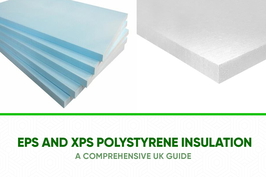
Thermal insulation plays a vital role in both the construction and industrial sectors by enhancing energy efficiency and improving comfort. Polyurethane foam serves as an effective insulator and air barrier, significantly reducing energy consumption and lowering heating and cooling costs. This material can lead to a reduction in the size of HVAC systems, thereby increasing the overall efficiency of buildings. Thanks to its low thermal conductivity, polyurethane foam ensures outstanding insulation performance, offering substantial long-term savings on heating expenses over the years. Projected market size to surpass $2.5 billion in revenue by 2028. In industrial applications, polyurethane demonstrates high performance while maintaining a thinner profile and resisting various chemicals. Additionally, expanded polystyrene (EPS) provides a cost-effective and reliable insulation solution.
Structural and Sealant Uses
Expanding poly foam is extensively utilised in the construction and industrial sectors for both sealing and structural support. It provides an effective barrier against drafts and water leaks by sealing gaps around windows, doors, and pipes. The foam is capable of filling irregular voids and cavities, adapting to complex shapes to create airtight and watertight seals. Variants with controlled expansion help safeguard sensitive areas, such as window frames, from deformation. It also offers excellent thermal and acoustic insulation, making it a versatile choice for energy efficiency and noise reduction. Moreover, closed-cell foam enhances structural integrity, bolstering wall strength and stabilising foundations without invasive procedures. It adheres well to various materials, including wood, metal, and concrete, making it suitable for both new builds and renovation projects.
The foam’s rigid and durable characteristics ensure long-lasting support, while its adhesive properties facilitate the quick and secure mounting of components.
Environmental Impact and Sustainability Challenges
The environmental impact of expanding poly foam raises significant concerns regarding the chemicals involved in its production. Notably, the use of blowing agents with high global warming potential, such as HFCs, is particularly troubling. HFCs contribute significantly to climate change due to their high GWP. Recycling and waste management present further challenges, as foam materials are notoriously difficult to break down or reuse effectively. This leads to persistent pollution issues that must be addressed. To combat these environmental challenges, researchers are investigating eco-friendly chemical alternatives. These innovations aim to minimise harm and encourage more sustainable manufacturing practices within the industry. The adoption of biodegradable additives and bio-based polyols is also being explored to improve environmental compatibility. The shift towards greener solutions is crucial for reducing the overall ecological footprint of poly foam production and ensuring a more sustainable future.
Blowing Agents and Ozone Impact
Blowing agents are essential in the production of expanding poly foam, but they also raise significant environmental concerns. Different types of blowing agents have varying impacts on ozone depletion and climate change.
Type of Blowing Agent |
Environmental Impact |
| Hydrocarbons (pentanes) | Low global warming potential (GWP), but flammable, limiting some applications |
| HFOs | Zero ozone depletion, very low GWP, safe and effective |
| CO2 | No ozone depletion and moderate GWP, but offers lower insulation performance |
Historically, chlorofluorocarbons (CFCs) caused substantial damage to the ozone layer, resulting in bans under international agreements. Today, the industry is shifting towards more eco-friendly alternatives such as HFOs. These options enhance sustainability, minimise ozone impact, and comply with global regulations.
In the UK, the emphasis on environmental responsibility is driving innovation in blowing agent technology, ensuring that new formulations meet both performance and ecological standards. As the market evolves, selecting the right blowing agent becomes crucial for manufacturers aiming to balance efficiency and environmental stewardship. For example, research into biodegradable or naturally derived foaming agents is ongoing, aiming to further reduce environmental impact.
Recycling and Waste Issues
Recycling expanded polyfoam presents several significant challenges that hinder effective waste management. Its lightweight, bulky form complicates collection, transportation, and storage, making these processes difficult and costly.
Foam often becomes contaminated with food residues, adhesives, or tape, which diminishes recycling quality and frequently leads to rejection from recycling programmes. Many local recycling initiatives avoid expanded polystyrene (EPS) due to these contamination risks and the complexities involved in processing, which limits diversion from landfill.
Mechanical recycling typically results in low-value products, such as flakes or powders, which are only suitable for a limited range of applications, such as stuffing. This offers little economic incentive for effective recycling practices.
Chemical recycling shows potential, particularly for contaminated foam, but it remains expensive and isn't widely accessible. Additionally, foam waste persists in the environment, breaking down into microplastics that pose a risk to wildlife. Recycling techniques are also limited by the material's inherent properties.
The slow rate of natural degradation and the reliance on fossil fuels further strain efforts towards environmental sustainability.
Addressing these challenges requires innovative solutions and a concerted effort to improve recycling systems for expanded polyfoam in the UK.
Eco-Friendly Chemical Alternatives
Environmental concerns drive the search for chemical alternatives that are more eco-friendly in foam production. Innovative bio-based foams utilise lignin, a byproduct from the paper industry, combined with vegetable oil-based curing agents to replace the toxic isocyanates commonly found in traditional polyurethane foam.
Lignin’s intricate structure allows for the creation of non-isocyanate foam by forming a gel network, resulting in lightweight, durable foam with performance characteristics comparable to conventional products.
These bio-foams significantly diminish reliance on fossil fuels, as a notable portion of petrochemicals is substituted with lignin extracted through gentle processes that preserve material integrity.
Furthermore, the chemistry of these bio-foams facilitates recycling by effectively unzipping bonds for reuse.
While challenges persist, these greener alternatives demonstrate considerable potential for more sustainable foam solutions that contribute to environmental protection and promote a sense of shared responsibility within the community.
Advances in Foam Formulation and Performance
Recent advances in foam formulation and performance are concentrating on the development of safer, more sustainable materials with enhanced mechanical properties. Researchers have introduced Nonisocyanate Polyurethane Foams (NIPUF), which are created through polyaddition reactions that maximise atom efficiency and produce no harmful by-products.
These innovative foams can self-expand using hydrogen gas generated from specific chemicals, resulting in lightweight, stable structures. The inclusion of cross-linkers and extenders enhances flexibility and strength, while catalysts facilitate proper curing at elevated temperatures.
Incorporating recycled polyols contributes to sustainability without compromising quality. Advanced surfactants play a crucial role in controlling cell size and stability, leading to superior foam performance.
Furthermore, continuous production methods and artificial intelligence tools improve consistency, efficiency, and quality control, paving the way for more environmentally friendly and high-performance polyurethane foams.
Safety Measures and Fire-Resistant Variants
Fire safety is a paramount concern in construction and building maintenance. To enhance occupant protection, fire-resistant variants of expanding foam have been specially formulated. These foams incorporate fire-retardant additives that create a chemical barrier, effectively slowing ignition and limiting the spread of flames.
Certain products can withstand fire for several hours and comply with stringent standards. The effectiveness of these foams is influenced by joint design and the backing materials used in conjunction. For instance, FulaFoam offers significant fire resistance certified to relevant standards, while Soudafoam FR HY C&F provides an impressive level of flame resistance in accordance with established regulations.
To ensure optimal safety and maintain the fire resistance properties, it's crucial to follow proper application guidelines as outlined by the manufacturer. Adhering to these instructions not only guarantees safety but also maximises the performance of the foam in fire scenarios.
Conclusion
Expanding poly foam is a versatile material with numerous applications in construction and industry. Its properties are influenced by its chemical composition, manufacturing methods, and the performance required for specific uses. Recent advancements have enhanced its sustainability and safety, introducing options that are resistant to fire.
Understanding the production processes and various applications of expanding poly foam is crucial for making informed decisions. Despite some challenges, ongoing research continues to focus on improving the quality of foam and its environmental impact. This ensures that expanding poly foam remains a valuable resource across a range of sectors in the UK.
The use of expanding poly foam in insulation, sealants, and cushioning further demonstrates its adaptability and importance in modern construction and manufacturing. As the industry evolves, the emphasis on eco-friendly practices and safety will likely lead to more innovative solutions, solidifying the role of this material in future developments.
By staying informed about the latest advancements and applications, professionals can leverage the benefits of expanding poly foam effectively, ensuring optimal performance and sustainability in their projects.