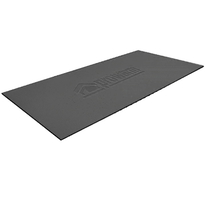
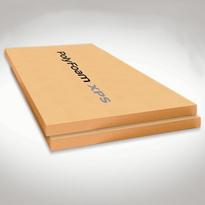
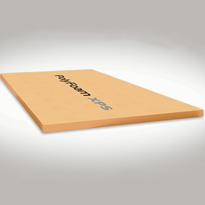
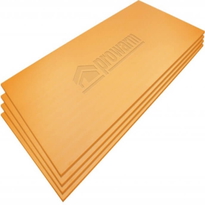
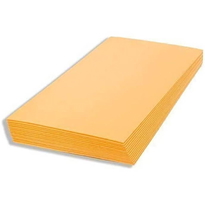
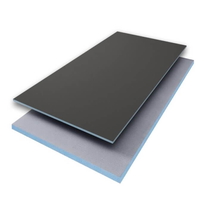
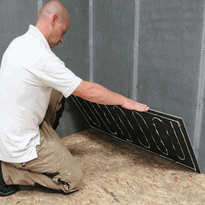
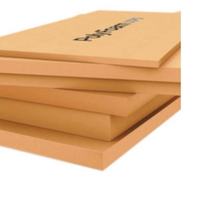
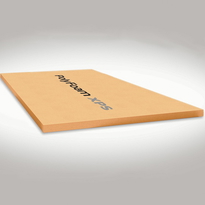
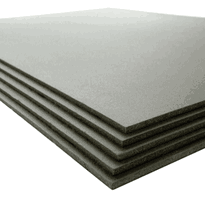
Xps Floor Insulation
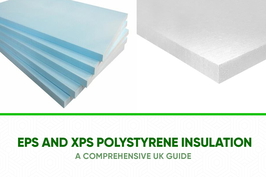
XPS floor insulation is a highly effective material renowned for its exceptional thermal performance, moisture resistance, and durability. Its closed-cell structure prevents water absorption, making it an ideal choice for moisture-prone areas such as basements and cold storage facilities.
XPS offers impressive compressive strength and maintains stability under heavy loads, ensuring long-term insulation effectiveness. It is widely utilised in residential, commercial, and industrial flooring applications.
For those in search of a dependable, energy-efficient solution, understanding the benefits of XPS can significantly enhance building performance. Continue to explore this topic to gain further insights.
Benefits of Using XPS for Floor Insulation
Using XPS for floor insulation provides a range of significant advantages. Its closed-cell structure effectively blocks moisture absorption, which is crucial for preventing mould and mildew growth, particularly in areas susceptible to dampness such as basements and ground floors. The manufacturing process of XPS involves extrusion, which creates the uniform closed-cell structure that enhances its insulating properties. This water resistance contributes to maintaining high indoor air quality and safeguards the insulation's performance from water-related damage. XPS is also exceptionally durable, offering excellent load-bearing capacity that can support heavy furniture and concrete slabs without warping. Its robustness makes it resilient against physical damage, mould, and rot, ensuring a long lifespan. Moreover, XPS is lightweight, which facilitates quick and straightforward installation. It can be easily cut and fitted, saving both time and costs during construction or renovation projects.
Thermal Performance and R-Value of XPS
The thermal performance of XPS insulation is crucial for its effectiveness in floor applications. XPS typically has an R-value of around 5 per inch of thickness, although this can vary slightly depending on the product type and ambient temperature. At cooler temperatures, its R-value tends to improve, providing enhanced insulation. XPS insulation has an R-value of R5 per inch. While different grades of XPS exhibit similar thermal properties, Type XII does have a slightly lower R-value. In comparison to other foam materials, XPS outperforms EPS and maintains a more stable R-value over time. The density of XPS, which ranges from 4.6 to 5.0 per inch, significantly influences its insulation capability and strength.
Here’s a brief comparison of various foam types commonly used for insulation:
Foam Type
R-Value per Inch
Suitable for Floor
Notes
XPS
4.6 – 5.0
Yes
Moisture-resistant
EPS
Lower
Less durable
Thicker insulation needed
Polyiso
Higher
Less common
More costly
Moisture Resistance and Its Impact on Floor Durability
Moisture resistance is an essential characteristic of XPS insulation, owing to its closed-cell structure that restricts water absorption to a minimal level. This feature plays a crucial role in preventing the growth of mould, mildew, and rot, which can compromise the integrity of floors over time. Prevents mold and mildew growth, ensuring healthier indoor environments. As a result, moisture-resistant XPS significantly enhances the durability and longevity of flooring systems in areas susceptible to moisture exposure. In environments where humidity and dampness are prevalent, utilising XPS insulation can safeguard against potential damage, ensuring that your flooring remains robust and reliable for years to come. This makes it an ideal choice for various applications, particularly in areas such as basements, bathrooms, and kitchens, where moisture levels are often higher.
Subheading 1: Water Absorption Resistance
Water absorption is a crucial factor influencing the performance and longevity of floor insulation materials, such as extruded polystyrene (XPS). XPS exhibits lower water absorption compared to alternative materials, primarily due to its closed-cell structure. This characteristic allows it to maintain thermal properties more effectively over time.
However, it's important to note that, in the long term, XPS may retain more moisture than materials like expanded polystyrene (EPS). While EPS tends to absorb a higher percentage of water, XPS's ability to hold onto any absorbed moisture can lead to a reduction in its R-value under wet conditions, thereby diminishing its insulation effectiveness.
Industry standards exist to regulate water absorption, ensuring the reliability of insulation materials. Proper installation practices and careful selection of materials are vital to optimise the water resistance of XPS, thus ensuring that it serves as a durable and efficient solution for floor insulation.
Subheading 2: Mold and Rot Prevention
Because of its closed-cell foam structure, XPS acts as an effective moisture barrier that helps prevent mould growth and rot in floor systems.
Its tightly packed cells block water and moisture from penetrating, which keeps the insulation dry and maintains its strength. With water absorption rates typically below one per cent, XPS doesn't lose its insulating properties or degrade when exposed to moisture.
This helps deter mould spores from settling and multiplying within the insulation, thereby reducing the risk of mould-related health issues. By keeping the floor assembly dry, XPS also protects wood and other building materials from decay and rot, extending the lifespan of the floor. XPS's low water absorption rate contributes to its effectiveness as a moisture barrier. Proper installation, including the use of vapour barriers, enhances moisture resistance, ensuring long-term durability and a healthier indoor environment.
Mechanical Strength and Load-Bearing Capabilities
XPS floor insulation provides a variety of mechanical strengths, making it suitable for numerous load-bearing applications. Its compressive strength ranges significantly, depending on the product grade, allowing for tailored support in different scenarios.
Some specialised boards offer a balance of durability and moisture resistance, while high-strength options are designed to handle demanding loads effectively. The high compressive strength of 500 KPa ensures that the insulation can support substantial loads without deformation.
XPS foam demonstrates superior resistance to deformation compared to many other foam plastics, ensuring it maintains its integrity under design loads. It uniformly distributes weight, which helps prevent settling and cracking, and is capable of withstanding environmental stressors such as moisture, thermal fluctuations, and foot traffic.
These characteristics ensure that XPS insulation delivers long-lasting support, making it a dependable choice for load-bearing flooring and structural applications.
Its versatility and robustness make it an ideal solution for various construction needs in the UK.
Suitable Applications and Use Cases in Flooring
XPS floor insulation is particularly well-suited for applications that necessitate support for heavy loads, including industrial floors and parking decks.
Its impressive compressive strength ensures that it can endure significant weight without deforming, making it an ideal choice for areas subjected to constant foot or vehicle traffic.
Moreover, XPS is frequently utilised in cold storage facilities, where the ability to maintain low temperatures while resisting moisture is crucial.
This insulation material not only enhances the structural integrity of the flooring but also contributes to energy efficiency, making it a wise investment for various commercial and industrial environments.
Cold Storage Applications
Cold storage facilities often necessitate robust and efficient insulation beneath their flooring to maintain consistent temperatures and prevent energy loss. XPS insulation is particularly suitable for these applications due to its continuous, closed-cell structure, which effectively reduces thermal transfer and moisture movement. Insulation’s role in reducing energy costs helps minimize operational expenses and optimize energy efficiency in cold storage. This type of insulation resists water, frost, and condensation, which are prevalent in cold environments. By doing so, it helps prevent damage caused by freeze/thaw cycles. Its high compressive strength supports the heavy loads commonly found in cold storage while remaining stable under mechanical stress and temperature fluctuations. XPS can be installed beneath reinforced concrete floors, ensuring even load distribution and providing a durable barrier against heat gain. This efficient insulation contributes to maintaining steady temperatures, reducing energy costs, and fostering a hygienic, safe environment for food and other temperature-sensitive products.
Heavy Load Support
Heavy-duty flooring applications necessitate materials that can support significant weight without collapsing or deforming over time. XPS floor insulation boasts a high compressive strength, making it adept at handling substantial loads in commercial and industrial environments. Enhancing long-term durability, it's designed to withstand considerable pressures, supporting structures such as parking decks, airport runways, and bridge abutments. The closed-cell design of XPS helps maintain dimensional stability, effectively reducing deformation even under continuous heavy use. Furthermore, it resists moisture absorption, which is essential for preserving its strength in damp conditions. Its thermal properties remain efficient under load, minimising heat loss. Proper installation, including the right thickness and effective load distribution, is crucial for ensuring optimal performance.
Environmental Advantages and Recycling Potential
Due to its durability and recyclability, extruded polystyrene (XPS) insulation provides significant environmental benefits. Its robust nature minimises waste, as it doesn't require frequent replacement, and its resistance to moisture, mould, and decay ensures an extended lifespan. High stability under various conditions The manufacturing process consumes less energy and utilises recycled materials, which helps to lower greenhouse gas emissions. The thermoplastic structure of XPS enables nearly complete recycling of scrap material during production.
Furthermore, post-consumer XPS can be mechanically recycled or processed using advanced methods. By reusing XPS boards in new construction or refurbishment projects, their lifespan is extended, and the demand for virgin materials is reduced. Additionally, incineration with energy recovery offers an effective solution for waste management. In summary, the recyclability and durability of XPS support environmentally friendly building practices, aiding in the conservation of resources and the reduction of carbon footprints.
Virtually 100% recyclable scrap during manufacturing
Long-lasting with minimal waste from replacement
Reusable in new construction or refurbishments
Potential for energy recovery through incineration
Ongoing innovations improve recycling methods
Installation Considerations for XPS Insulation Boards
Before installing XPS insulation boards, it's crucial to prepare the surface properly to ensure a robust bond and mitigate moisture issues.
Careful handling and cutting of the boards are important to maintain their integrity and achieve a precise fit. By paying attention to these preparation guidelines, you can enhance the overall performance and longevity of the insulation system.
Ensuring that the installation area is clean and dry is vital, as any debris or moisture can compromise the effectiveness of the insulation.
Additionally, using appropriate tools for cutting the boards will help to create clean edges, allowing for better fitting and sealing during installation.
Taking these steps won't only facilitate a smoother installation process but will also contribute to the insulation's efficiency and durability over time.
Surface Preparation Tips
Surface preparation is vital for ensuring the effectiveness of XPS insulation installation. Well-prepared surfaces allow the insulation to fit snugly, adhere properly, and perform optimally over time.
Before installation, it's important that surfaces are free from dust, dirt, grease, and debris to prevent gaps and weak spots. Utilising a broom or vacuum can help achieve a clean, flat base.
Smoothing out rough or uneven areas with a compatible coating or levelling compound enhances contact and reduces stress points.
It is crucial to check for moisture, as any standing water or damp conditions can compromise the insulation and encourage mould growth.
Furthermore, protecting the work area from wind and adverse weather conditions will keep surfaces dry and free from contamination.
Proper surface preparation establishes a strong foundation, ensuring that the insulation functions efficiently and has a prolonged lifespan.
Keep surfaces free from dust using sweeping or vacuuming.
Remove grease, oil, and loose particles.
Level any uneven areas with suitable compounds.
Ensure the surface is dry and devoid of moisture.
Shield work zones from wind and moisture.
Proper Board Handling
Handling XPS insulation boards correctly during installation is essential for maintaining their integrity and ensuring optimal performance. Careful handling helps to prevent damage such as chipping or cracking, which can compromise insulation efficiency.
Before installation, it's advisable to store the boards flat, dry, and shielded from direct sunlight. When it comes to cutting the boards, utilise a utility knife to score and snap them, allowing for a quarter-inch clearance to fit them securely into framing cavities.
It's crucial to ensure the boards fit snugly around openings like windows and doors to achieve airtight seals.
During the placement process, apply the adhesive properly, pressing the boards firmly into position and holding them until the adhesive has set. To block air leaks, joints should be sealed with foam tape or spray foam.
Adhering to these handling practices contributes to a tight, durable insulation layer that enhances energy efficiency and overall comfort in your space.
Comparing XPS With Other Insulation Materials
XPS foam insulation is frequently compared to other materials such as EPS and polyiso to ascertain which provides optimal performance for various applications.
XPS boasts a higher R-value per inch, making it a more effective choice for thinner layers compared to EPS, which has a slightly lower thermal resistance. Polyiso, on the other hand, offers the best thermal efficiency, enabling even thinner panels without compromising on insulation.
One of the key advantages of XPS is its superior moisture resistance, particularly in cold or damp environments. Its closed-cell structure effectively repels moisture, ensuring that its insulating properties remain intact even in challenging conditions.
In contrast, EPS can absorb moisture if not adequately sealed, which may diminish its insulation performance.
Moreover, XPS is known for its higher compressive strength, allowing it to support heavier loads, making it suitable for a range of demanding settings. Its durability against physical damage further solidifies its reputation as a robust insulation material.
While the upfront cost of XPS may be slightly higher, its longevity and performance justify the investment.
Tips for Maintaining and Extending XPS Floor Insulation Lifespan
Proper maintenance and careful installation practices are essential for extending the lifespan of XPS floor insulation. Adhering to manufacturer guidelines ensures the insulation performs effectively over time.
Sealing seams with recommended tapes creates efficient air and water barriers, which are crucial for optimal performance. Utilising a J roller to press the seam tape helps eliminate air bubbles and enhances airtightness.
It is also vital to employ proper fastening techniques, such as staggered nailing patterns, to prevent water infiltration and maintain structural integrity. Protecting insulation from moisture by installing vapour control layers and covering it at the end of each workday is key to preventing damage and mould growth.
Before installation, ensure all surfaces are clean and take care to avoid damaging the insulation during handling.
Regular inspections and timely repairs are equally important to preserve the insulation’s performance and extend its useful life. By following these practices, you can significantly enhance the durability and effectiveness of your XPS floor insulation.
Innovative Systems and Accessories for XPS Floor Insulation
Innovative systems and accessories are essential in maximising the efficiency and durability of XPS floor insulation. These solutions enhance installation, improve performance, and extend the lifespan of the insulation material.
For instance, shiplap edge designs ensure a snug fit, which reduces thermal bridging and simplifies the installation process. Lightweight, dust-free boards minimise health risks during handling, making them a safer option for installers.
Additionally, the use of vapour barriers and joint sealing products effectively prevents moisture ingress, safeguarding the integrity of the insulation. Perimeter insulation strips help maintain continuous insulation around floors, further increasing energy efficiency.
Thermal breaks and load distribution layers are also critical as they mitigate stress on the boards, enabling them to support heavy loads while maintaining their shape over time.
These innovative accessories and systems guarantee that XPS insulation operates at its optimum, providing reliable, long-lasting thermal protection for various building types.
Shiplap edge design for a better fit
Vapour barriers and membranes
Perimeter insulation strips
Fixing and fastening systems
Thermal breaks and load distribution layers
Conclusion
XPS foam boards represent a robust and efficient option for floor insulation, delivering excellent thermal resistance, moisture protection, and a strong load-bearing capacity. These boards significantly enhance energy efficiency and safeguard floors from moisture-related damage.
With proper installation and maintenance, the lifespan of XPS foam can be extended, making it an ideal choice for various flooring projects.
In summary, XPS insulation provides a dependable solution for enhancing comfort and durability in both residential and commercial properties. Its qualities make it a preferred choice for those looking to invest in effective floor insulation.