
- Blogs
- A Comprehensive Guide to UK Types of Duct Lagging and Thermal Insulation for Pipes and Building Services
A Comprehensive Guide to UK Types of Duct Lagging and Thermal Insulation for Pipes and Building Services


TLDR:
This guide provides a detailed analysis of the UK insulation landscape, focusing on BS 5422:2023 and Building Regulations Part L. It examines primary materials such as stone wool, glass mineral wool, phenolic foam, polyisocyanurate (PIR), and nitrile rubber. The report outlines the necessity of lagging for energy conservation, condensation control, fire safety, and acoustic dampening. It also covers external weatherproofing via PIB and metal cladding, alongside professional installation standards required for modern UK construction and net-zero targets.
The Evolution of Thermal Insulation Standards in the United Kingdom
The management of thermal energy within building services is a fundamental requirement for the modern UK construction industry. With the national commitment to reaching net-zero carbon emissions by the year 2050, the efficiency of heating, ventilation, and air conditioning (HVAC) systems has moved to the forefront of architectural and engineering priorities. Lagging, the term commonly used for the insulation applied to pipes and ductwork, serves as the primary defence against energy wastage. It functions by creating a robust barrier that reduces the transfer of heat between the fluid or air within the system and the surrounding environment.
In the UK climate, where external temperatures fluctuate significantly across seasons, uninsulated services represent a major source of financial and environmental loss. In addition to energy conservation, lagging is required to maintain the structural integrity of building components by preventing condensation and protecting against the risk of pipes bursting during freezing winter conditions. The selection of lagging is not merely a matter of convenience but is a legal requirement under various sections of the UK Building Regulations, most notably Approved Document L, which focuses on the conservation of fuel and power.
The technical landscape has shifted significantly in recent years. For over a decade, the industry relied on standards that did not fully account for the rapid advancements in material science or the increasing urgency of the climate crisis. The introduction of updated British Standards has forced a re-evaluation of how professionals specify, calculate, and install insulation. This evolution is driven by the need for higher performance, better fire safety, and clearer guidance for installers working on increasingly complex building projects.
The Regulatory Framework: BS 5422:2023 and Building Regulations
The specification of insulation in the UK is guided by a logical set of regulations and British Standards. These documents ensure that every installation meets a minimum performance level regarding thermal efficiency, fire safety, and durability.
BS 5422:2023: The Primary Specification Standard
The primary technical standard for the industry is BS 5422. The most recent update, published in 2023, replaced the 2009 version to reflect higher energy efficiency goals and modern material performance. This standard provides a method for determining the required thickness of insulation for pipes, tanks, vessels, and ductwork operating between -40 degrees Celsius and +700 degrees Celsius.
A significant change in the 2023 edition is the simplification of insulation tables. The standard now provides more streamlined guidance for non-domestic hot water and heating systems, chilled water, and ventilation ducting. It has also introduced specific requirements for district heating systems, which are becoming increasingly common in UK urban developments as part of sustainable energy strategies. The 2023 update was long-awaited by the industry and reflects a move toward more demanding heat loss requirements.
One of the most notable adjustments in the 2023 standard is the treatment of plastic pipework. Previously, some calculations attributed a small amount of insulative value to the pipe material itself. The updated standard clarifies that single-wall plastic pipework is considered to have no significant insulative value of its own, necessitating specific insulation thicknesses to meet thermal targets. This ensures that the system as a whole performs as intended without over-relying on the properties of the distribution materials.
Building Regulations Part L and Part B
Building Regulations Part L sets the legal mandate for energy performance in both new builds and refurbishments. It requires that primary hot water and heating pipes are insulated to minimise heat loss, especially when passing through unheated spaces such as lofts or garages. Complying with BS 5422:2023 is generally accepted as a method of demonstrating compliance with Part L.
Fire safety is another critical regulatory area, covered by Part B of the Building Regulations. All lagging materials must be tested and classified according to BS EN 13501-1, which provides a Euroclass rating ranging from A1 (non-combustible) to F (high contribution to fire). In safety-critical areas such as escape routes, protected stairwells, and service corridors, the use of non-combustible materials like stone wool is often mandatory to prevent the spread of flames and toxic smoke.
The integration of these regulations means that a specifier must balance thermal performance with fire resilience. For instance, while a particular foam might offer excellent heat retention, its fire classification might restrict its use in certain parts of a building, such as high-rise residential blocks or healthcare facilities. This dual-requirement approach ensures that UK buildings are not only energy-efficient but also safe for occupants.
| Regulation / Standard | Focus Area | Application in Lagging |
| BS 5422:2023 | Specification Method | Determines insulation thickness based on temperature and pipe size. |
| Approved Document L | Conservation of Fuel | Mandates minimum energy efficiency for heating and cooling. |
| Approved Document B | Fire Safety | Sets reaction-to-fire requirements for materials in specific zones. |
| BS EN 13501-1 | Fire Classification | Provides the Euroclass rating (A1 to F) for insulation products. |
| BS 5970 | Code of Practice | Guidance on the professional installation of thermal insulation. |
Primary Materials for Pipe and Duct Lagging in the UK
The UK market offers a variety of insulation materials, each suited to specific environmental conditions and performance requirements. Understanding the physical properties of these materials is necessary for correct specification and long-term system reliability.
Stone Wool and Mineral Wool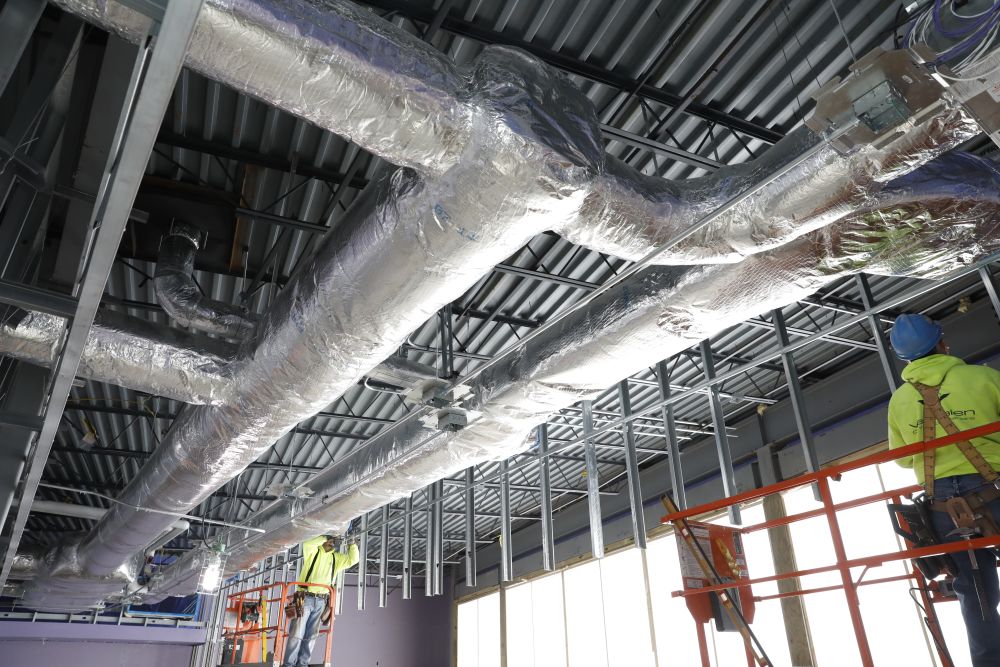
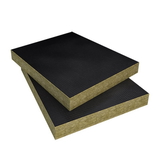
Stone wool is manufactured from volcanic rock that is melted and spun into fibres. It is a versatile material used for both pipe sections and duct wraps. One of its most significant advantages is its fire performance. Most stone wool products achieve a Euroclass A1 or A2-s1, d0 rating, meaning they do not contribute to fire growth and produce minimal smoke. This makes stone wool the preferred choice for plant rooms, boiler houses, and any area where fire safety is the primary concern.
In terms of thermal performance, stone wool is effective for high-temperature applications, with some products capable of withstanding service temperatures up to 230 degrees Celsius for ductwork and even higher for industrial piping. Its fibrous structure also provides acoustic absorption, making it useful for insulating ventilation ducts that carry noise from fans or airflow. Stone wool is also breathable, which allows any moisture present during the construction phase to evaporate, reducing the risk of corrosion under insulation.
Glass Mineral Wool
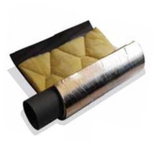
Similar to stone wool but manufactured from recycled glass and sand, glass mineral wool is a lighter alternative often used for duct wrapping. It is valued for its flexibility, allowing it to be wrapped tightly around circular or rectangular ducts without leaving gaps. Glass mineral wool typically has a thermal conductivity of approximately 0.032 to 0.036 W/mK.
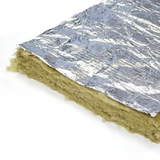
In the UK, glass wool products are often faced with a factory-applied aluminium foil, which serves as a vapour barrier. This is necessary for preventing condensation when the material is used on chilled air ducts. The lightweight nature of glass wool makes it easier for installers to handle, particularly when working at height or in restricted ceiling voids. It is also a sustainable option, with many products containing a high percentage of recycled content, contributing to better environmental ratings for the overall building.
Phenolic Foam
Phenolic foam is a rigid, closed-cell insulation material known for having some of the lowest thermal conductivity values available, often around 0.018 W/mK to 0.025 W/mK. Because of this efficiency, the required thickness to achieve a specific thermal target is much lower than that of fibrous materials. This makes phenolic foam ideal for projects where space is limited, such as in narrow service risers or congested ceiling spaces in modern office developments.
Phenolic foam also performs well in fire tests, typically achieving a Class 0 rating under older British standards and a Euroclass B or C rating. It generates very low levels of smoke, which is a vital safety factor. However, it can be more brittle than other foams and requires careful handling during installation to avoid cracking. It is often supplied as pre-formed pipe sections or as part of a pre-insulated ductwork system.
Polyisocyanurate (PIR)
PIR is another rigid foam insulation widely used in the UK. While it is similar to phenolic foam in appearance, its chemical composition differs, resulting in a slightly higher thermal conductivity, usually around 0.022 W/mK. PIR is often chosen for its compressive strength and moisture resistance. Many modern ductwork systems are constructed from PIR panels faced with aluminium foil, providing a lightweight and durable alternative to traditional galvanised steel ducts.
PIR's closed-cell structure ensures low absorption of water vapour, making it an effective barrier against moisture infiltration. This is particularly useful in high-humidity environments such as swimming pools or food processing facilities. While PIR has good fire-resistant properties, it generally does not match the non-combustibility of stone wool, and its use is typically governed by the specific fire safety requirements of the building zone.
Nitrile Rubber (Flexible Elastomeric Foam)
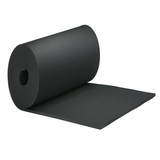
Flexible nitrile rubber insulation is the standard choice for chilled water pipes and refrigeration lines. Its closed-cell structure acts as an inherent vapour barrier, which is required for preventing condensation. If moisture reaches the surface of a cold pipe, it can lead to corrosion and the growth of mould. Nitrile rubber's flexibility allows it to be easily slipped onto pipes or glued around complex fittings, ensuring a continuous seal.
This material is particularly effective at controlling condensation on cold surfaces. In the UK, it is commonly seen in air conditioning installations and commercial refrigeration. It has a thermal conductivity similar to mineral wool but its primary strength lies in its resistance to moisture. It is also available in different fire ratings to meet UK building regulations, though it is typically a combustible material (Euroclass B or C).
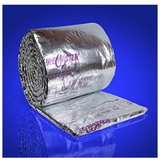
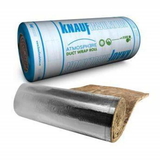
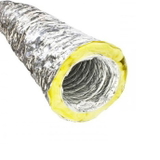
Buy Duct laggings now
| Material | Conductivity (W/mK) | Fire Rating (Euroclass) | Best Use Case |
| Stone Wool | 0.034 - 0.040 | A1 / A2 | Plant rooms, fire-rated ducts, acoustic damping. |
| Glass Wool | 0.032 - 0.036 | A1 / A2 | General HVAC duct wrapping, sustainability. |
| Phenolic Foam | 0.018 - 0.025 | B / C | Restricted spaces, high-efficiency heating. |
| PIR Foam | 0.022 | B / C | Pre-insulated duct systems, high humidity. |
| Nitrile Rubber | 0.033 - 0.040 | B / C | Chilled water, refrigeration, condensation control. |
The Functional Benefits of Professional Lagging
Lagging provides multiple advantages beyond simple temperature maintenance. Each function contributes to the longevity of the building's infrastructure and the comfort of its occupants.
Energy Efficiency and Operational Cost Reduction
The most immediate benefit of lagging is the reduction in energy consumption. By limiting heat transfer, the HVAC system does not have to work as hard to maintain the target temperature of the air or water it is moving. This leads to lower utility bills and reduces the wear and tear on components like fans, compressors, and boilers. An efficiently insulated system can see a performance increase of 20% or even more compared to an uninsulated one.
In the context of large-scale commercial buildings, these savings are substantial. For instance, a hospital or office block with miles of uninsulated heating pipes would lose an enormous amount of energy before the heat ever reached the intended rooms. Professional lagging ensures that the energy paid for is the energy delivered to the occupants, directly supporting the UK's carbon reduction targets.
Condensation Prevention and Moisture Management
In the UK's often humid environment, condensation is a major risk for chilled surfaces. When warm, moist air comes into contact with a cold duct or pipe, water droplets form. This can lead to unsightly staining on ceilings, damage to electrical components, and structural rot in timber frames. Lagging keeps the outer surface of the insulation above the dew point of the surrounding air, thereby preventing moisture formation.
If condensation is not controlled, it can lead to the growth of mould and mildew. This not only damages the building fabric but also poses a health risk to occupants. Properly installed lagging with a robust vapour barrier ensures that the system remains dry and hygienic. This is especially important in the healthcare and food sectors, where maintaining a clean environment is a legal requirement.
Acoustic Performance and Noise Mitigation
Ductwork can act as a conduit for noise, carrying the sound of mechanical equipment and rushing air throughout a building. Fibrous lagging materials like stone wool are effective at absorbing these sound waves. Additionally, heavy polymeric mass-backed lagging can be used to block sound transmission through duct walls, which is necessary in residential blocks, hotels, or hospitals where a quiet environment is required.
Noise pollution can affect health and living comfort, and the UK has specific rules regarding industrial and residential noise. Acoustic insulation helps companies and developers meet these standards. By dampening the popping, creaking, and whistling noises often associated with metal ductwork, lagging improves the overall acoustic comfort of a building.
Frost Protection and System Resilience
For pipes located in unheated areas or external runs, lagging provides a vital buffer against freezing. While insulation does not generate heat, it slows down the rate at which the fluid inside the pipe loses its residual warmth. This delays the onset of freezing and gives the system more time to resume circulation before the water expands and ruptures the pipe.
In the UK, winter temperatures can drop suddenly, and burst pipes can cause catastrophic damage to property. Lagging is a low-cost preventative measure that protects against these risks. It is particularly important for external water mains, fire sprinkler pipes in unheated warehouses, and heating systems in holiday homes or industrial units that may be unoccupied for periods.
External Ductwork and Weatherproofing Solutions
Insulating ductwork located on rooftops or outside a building presents unique challenges. Standard internal lagging would quickly degrade if exposed to the British weather, UV radiation, and physical impacts. Professional weatherproofing is necessary to maintain the integrity of the insulation.
PIB Cladding (Polyisobutylene)
Polyisobutylene is a synthetic rubber cladding used to provide a waterproof and UV-resistant skin over insulation. It is produced from high molecular weight polymers that do not harden, crack, or peel over time. PIB is favoured in industrial sectors like chemicals and oil due to its resistance to environmental stresses and its ability to remain flexible across a wide temperature range.
PIB cladding is completely waterproof and ozone-resistant, making it a reliable choice for external duct cladding in the UK. It is also resistant to many chemicals and acids, which is advantageous in industrial settings. Unlike some plastic coverings, PIB has a synthetic rubber feel and provides a durable, long-lasting protective layer that requires minimal maintenance after installation.
Metal Jacketing and Cladding
For maximum durability and a professional finish, metal cladding made from aluminium or Aluzinc is often specified. Metal jacketing provides protection against physical damage and is highly reflective, which can reduce radiant heat gain in summer. Aluminium is lightweight and corrosion-resistant, making it suitable for most UK environments, while Aluzinc offers higher temperature tolerance and superior corrosion resistance in harsh industrial areas.
Metal cladding can last 20 to 30 years or more with proper maintenance. It is often used in plant rooms where pipework is visible or in external areas where there is a risk of impact from personnel or equipment. It provides a clean, uniform appearance that is easy to clean, making it suitable for food processing areas where hygiene is paramount.
Multi-Layer Laminate Systems
Modern self-adhesive laminates, such as ProClad150, offer a cost-effective alternative to traditional metal cladding. These products consist of multiple layers of premium laminate, providing a 10-year UV protection guarantee. They are significantly easier and faster to install than metal sheets, as they can be cut with a knife and stuck directly over the insulation.
These multi-layer systems are weatherproof and puncture-resistant. They are compatible with various insulation types, including mineral wool, PIR, and phenolic foam. Because they are self-adhesive, they eliminate the need for screws or mechanical fasteners, reducing the risk of water ingress through the cladding. This makes them a popular choice for rooftop HVAC systems in commercial buildings.
| Cladding Type | Material | Key Feature | Durability |
| PIB | Synthetic Rubber | Excellent waterproofing and chemical resistance. | 10 - 20 years |
| Aluminium | Metal | Lightweight and highly corrosion-resistant. | 20 - 30 years |
| Aluzinc | Alloy-Coated Steel | Superior durability in harsh industrial settings. | 25+ years |
| Multi-Layer | Foil/Polyester Laminate | Fast installation, self-adhesive, UV-stable. | 10+ years |
Acoustic Lagging and Sound Insulation Mechanics
In commercial and high-end residential projects, managing the noise generated by HVAC systems is often as important as thermal regulation. Acoustic lagging is a specialised category of insulation designed specifically to address airborne and vibration-related noise.
Standards and Measurement in the UK
The effectiveness of acoustic insulation is measured according to BS EN ISO 10140-2, which evaluates the sound reduction index of building elements. For ductwork, noise can originate from the fan itself or from the turbulence created as air moves through bends and dampers. The UK's Noise Abatement Act and other regulations provide rules for industrial and environmental noise, which developers must follow to ensure occupant happiness.
Acoustic performance is often expressed as a weighted sound reduction index (Rw), measured in decibels. Higher numbers indicate better sound insulation. In practice, factors like the size and shape of the ductwork and the frequency of the noise all affect how well the insulation performs. Therefore, the selection of acoustic materials must be based on the specific noise profile of the system.
Quilted and Laminated Acoustic Barriers 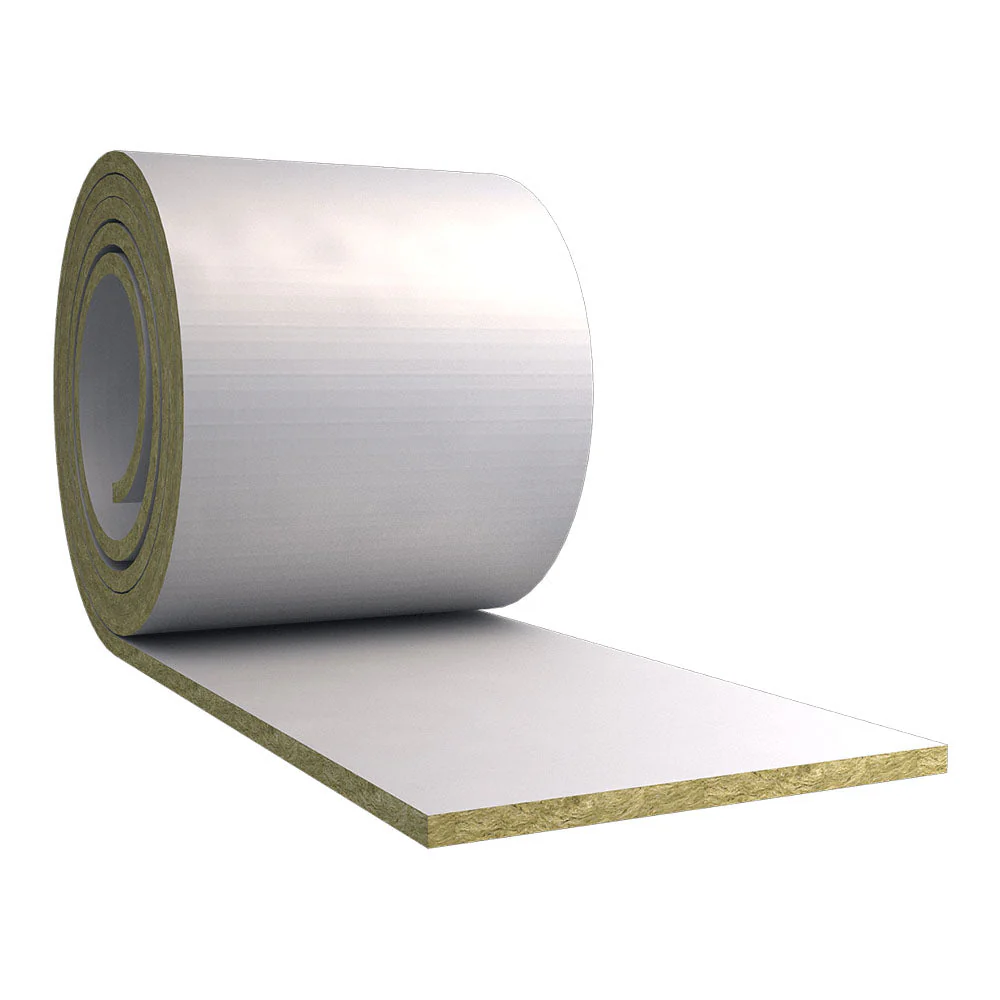
Specialised products like polymeric mass-backed lagging consist of a multi-part laminate. This typically includes a scrim-backed acoustic spacer layer (usually glass fibre), a heavy polymeric mass barrier, and an outer thermal layer with a vapour barrier. The spacer layer decouples the mass barrier from the duct surface, preventing vibrations from being transmitted, while the mass barrier blocks the passage of airborne noise.
These materials are easy and quick to apply and provide excellent fire resistance. They are often used for ductwork, pipes, and machine coverings where a considerable reduction in noise passage is required. Because they are flexible, they can be wrapped around the circumference of a duct and sealed with foil-faced adhesive tape, creating a continuous acoustic seal.
Professional Installation and Compliance Guidelines
Even high-performance insulation material will fail to perform if it is not installed correctly. Professional workmanship is required to ensure the system remains energy-efficient and safe over its entire lifespan.
Continuity and Sealing of Joints
Insulation must be continuous throughout the entire run of a pipe or duct. Any gaps or voids in the lagging act as thermal bridges, allowing heat to escape or condensation to form. All joints and seams should be tightly butted together and sealed with appropriate foil or cloth tapes. For chilled systems, the vapour barrier must be completely airtight to prevent moisture ingress into the insulation core.
In addition to thermal bridges, air leakage is a common problem in HVAC systems. Insulation wraps and pre-insulated panels help to seal the ductwork, reducing the load on the heating and cooling equipment. This prevents the loss of conditioned air and ensures that the system can maintain the desired temperature in every room of the building.
The Importance of Insulated Pipe Supports
Historically, pipes were often supported by wooden blocks that broke the continuity of the insulation. However, BS 5422:2023 now emphasizes the need to insulate pipe supports to limit heat transfer. Using high-density stone wool supports ensures that the insulation remains continuous through hangers and brackets, maintaining the thermal integrity of the entire system.
Wood is not an insulating material in this context, and its use runs contrary to modern professional guidance. Specifying specialised pipe supports with a high compressive strength and a low thermal conductivity is a necessary step in meeting UK building regulations. These supports protect the insulation from being crushed by the weight of the pipe, which would otherwise reduce its effectiveness.
Addressing Space Constraints and Environmental Conditions
Modern architectural designs often leave minimal room for building services. In such cases, the high thermal efficiency of phenolic or PIR boards allows for the use of thinner layers to meet regulatory targets. This is especially useful in refurbishment projects where existing ceiling heights cannot be changed. However, it is necessary to ensure there is still enough space around the ducts for the installer to properly apply and seal the lagging.
Environmental conditions also play a role in material selection. For example, a basement plant room might have high moisture levels, requiring a material with excellent water resistance. Conversely, a rooftop installation requires cladding that can withstand UV radiation and high winds. Professionals must assess the setting—whether internal or external, high or low humidity—before specifying the lagging type.
The Future of UK Thermal Insulation
The UK regulatory landscape is continuously evolving. The industry is currently preparing for the Future Homes Standard, which is expected to tighten energy efficiency requirements even further. This standard is likely to mandate even thicker insulation and more stringent testing of installed performance to ensure that buildings meet their designed energy targets.
There is also an increasing focus on the sustainability of the insulation materials themselves. Products with a high recycled content are becoming more popular as developers seek to improve their environmental ratings under schemes like BREEAM or WELL. These ratings prioritise occupant wellbeing, including thermal comfort and air quality, and encourage the use of eco-friendly and non-toxic insulation options.
The drive toward net-zero by 2050 means that the quality of thermal insulation will only increase in importance. Poorly insulated pipes and ducts lead to building control failure, enforcement action, and significant project delays. By understanding the regulatory framework and the properties of modern lagging materials, professionals can deliver high-performing, safe, and efficient buildings for the future.
Detailed Selection Criteria for UK Building Services
Choosing the right insulation requires a systematic approach. The complexity of modern HVAC systems means that a one-size-fits-all solution is rarely appropriate. Instead, designers must consider a range of variables to ensure long-term performance.
Operating Temperatures and Material Stability
The service temperature of the fluid or air being transported is the primary factor in determining the required insulation thickness. BS 5422:2023 provides tables for a wide range of temperatures. For heating systems, the focus is on minimising heat loss to the surroundings. For cooling and chilled systems, the focus is on heat gain and condensation control.
Materials must remain stable across the full operating range of the system. For instance, stone wool remains stable even under regular heating and cooling cycles, while some foams may be limited to specific temperature windows. Professionals must confirm these limits with the manufacturer to avoid material degradation over time.
Surface Emissivity and Its Impact
The texture and finish of the outer surface of the lagging affect its thermal performance. A polished metal surface has low emissivity, meaning it radiates less heat away from the surface. In some cases, using a low-emissivity finish can allow for a slightly thinner layer of insulation while still achieving the same thermal result. BS 5422 provides a standardised method for accounting for these surface properties in thickness calculations.
This factor is particularly relevant for aesthetic finishes in visible areas. If a developer chooses a specific coloured cladding for architectural reasons, its emissivity must be factored into the thermal design. This ensures that the system still meets its energy efficiency targets regardless of the outer appearance.
The Role of Vapour Barriers in Cold Systems
For chilled water and refrigeration systems, a vapour barrier is not just an addition; it is a fundamental requirement. If the vapour barrier is breached, moisture from the air will be drawn into the insulation. This water then freezes or saturates the material, leading to a total loss of thermal performance. This can cause the pipe to sweat, leading to water damage and mould.
Professional installers use specialised tapes and adhesives to ensure that the vapour barrier is continuous. This includes sealing around hangers, valves, and other fittings. The integrity of this barrier is the single most important factor in the longevity of cold insulation systems.
Summary of Material Properties for UK Applications
The following table provides a comparison of the key properties of the most common lagging materials used in the UK. This data is essential for making informed decisions during the design and specification phases of a project.
| Material | Conductivity (W/mK) | Max Temp (C) | Fire Rating | Vapour Barrier |
| Stone Wool | 0.034 | 250+ | A1 | Required (external face) |
| Glass Wool | 0.032 | 150 - 250 | A1 / A2 | Required (external face) |
| Phenolic Foam | 0.018 - 0.025 | 80 - 120 | B / C | Inherent (closed cell) |
| PIR Foam | 0.022 | 80 | B / C | Inherent (closed cell) |
| Nitrile Rubber | 0.033 - 0.040 | 100 - 110 | B / C | High Resistance |
Practical Challenges in Modern Lagging Projects
While the theory of insulation is straightforward, the practice of installing it on a busy construction site presents many challenges. Professionals must be aware of these issues to ensure a successful outcome.
Coordination with Other Services
In modern buildings, ceiling voids are packed with electrical cables, data lines, fire sprinklers, and plumbing. This often leaves very little room for duct and pipe lagging. If the insulation is squeezed or compressed to fit into a tight space, its thermal performance is compromised. Coordination during the design phase is required to ensure that there is sufficient space for the correct thickness of lagging.
In many cases, the use of high-performance rigid boards is the only way to meet building regulations within these space constraints. However, even these materials require a certain amount of clearance for proper installation and maintenance access.
Durability and Resistance to Mechanical Damage 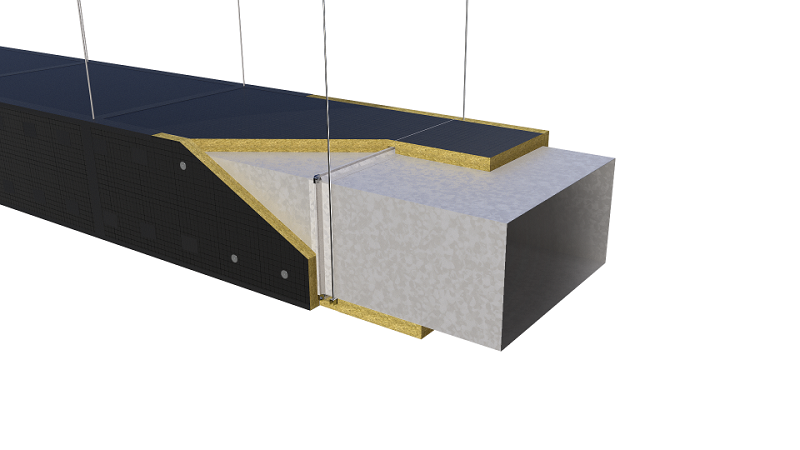
Insulation is often installed early in the construction process and can be exposed to damage from other trades. Rigid foams are susceptible to cracking if struck, and fibrous wraps can be torn or compressed. Protecting the lagging until the building is completed is a necessary part of the project management process.
In high-traffic areas, such as plant rooms, the use of metal cladding provides the necessary protection. In other areas, temporary covers or strict site management may be required to ensure that the insulation is not damaged before the building is handed over to the client.
Ensuring Compliance with Fire Safety Legislation
Following the Grenfell Tower tragedy, the UK has seen a massive increase in the scrutiny of building materials, especially regarding fire performance. For high-rise buildings and other sensitive structures, the fire classification of the insulation must be checked and double-checked. Using non-combustible materials like stone wool in escape routes and service risers is now a standard requirement for many local authorities and insurance providers.
Compliance is non-negotiable. Building control officers will often require proof of the fire rating of every material used in the HVAC system. Professionals must ensure they have all the necessary documentation and test certificates from the manufacturers to avoid costly delays or enforcement action.
Economics of Insulation: Return on Investment
While professional lagging represents an upfront cost, the return on investment is often very fast. Because of the high cost of energy in the UK, the savings on utility bills can pay for the insulation within a few years, or even months for high-temperature industrial systems.
Impact on Life Cycle Costs
In addition to energy savings, properly insulated systems have a longer lifespan. By reducing the load on boilers and chillers, the equipment does not have to work as hard, leading to lower maintenance costs and a longer time between replacements. Lagging also protects the pipes and ducts from corrosion and moisture damage, further extending the life of the building's infrastructure.
For developers and building owners, this translates into lower total life cycle costs. A well-insulated building is more attractive to tenants, as it offers lower running costs and a more comfortable internal environment. This can lead to higher property values and better occupancy rates.
The Role of Grants and Incentives
In the past, the UK government has offered various schemes, such as Enhanced Capital Allowances, to encourage the installation of high-efficiency insulation. While some of these specific schemes have ended, the general push toward energy efficiency continues to be supported by building regulations and national environmental policies. Businesses that invest in professional lagging are positioning themselves well for a future where carbon taxes and energy efficiency requirements are likely to become even more stringent.
Conclusion: Achieving Excellence in UK Building Services
The selection and installation of duct and pipe lagging in the United Kingdom is a complex but vital part of modern building design. By adhering to the standards set out in BS 5422:2023 and the UK Building Regulations, professionals can ensure that their projects are energy-efficient, safe, and comfortable for occupants. Whether it is the non-combustibility of stone wool, the space-saving efficiency of phenolic foam, or the moisture resistance of nitrile rubber and external cladding, the right material choice depends on a thorough understanding of the project's specific needs.
As the UK continues its journey toward a net-zero future, the role of thermal insulation will only become more significant. High-quality lagging is not just a building requirement; it is a fundamental part of the global effort to reduce carbon emissions and protect the environment for future generations. By following professional best practices and keeping up to date with the latest regulatory changes, installers and designers can deliver systems that perform reliably for decades to come.
UK Legal Disclaimer
This report is provided for general informational purposes only and is intended to offer a broad overview of the subject of thermal insulation in the United Kingdom. It does not constitute professional engineering, architectural, or construction advice, and it should not be used as a basis for specifying materials or designing systems for any specific building project.
Building regulations, British Standards (including BS 5422), and fire safety laws are subject to frequent updates and can vary depending on the specific nature and location of a project. It is mandatory that all thermal insulation specifications are thoroughly checked and verified by a qualified building services engineer, architect, or building control officer before any installation takes place.
No responsibility is accepted for any errors or omissions, or for any actions taken or not taken based on the information provided in this guide. Use of this content is entirely at the user's own risk, and users must independently verify all technical data and regulatory compliance with the relevant statutory bodies and manufacturers.

Samuel Hitch
Managing Director
Buy Insulation Online.
Leave A Reply
Your feedback is greatly appreciated, please comment on our content below. Your email address will not be published. Required fields are marked *