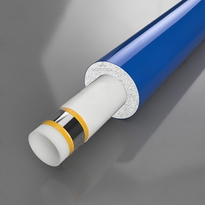
Pre Insulated Copper Pipe
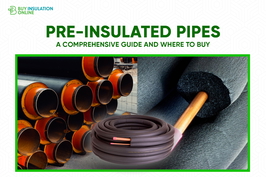
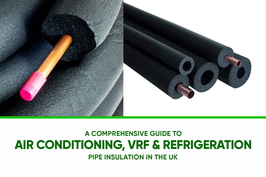
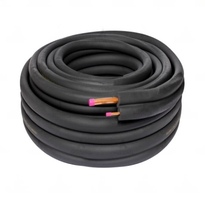
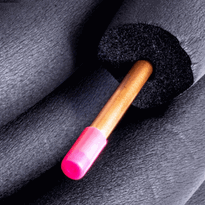
Pre-insulated copper pipes consist of high-purity copper tubing encased in foam insulation, which is typically made from cross-linked polyethylene. This type of insulation effectively resists temperature extremes and environmental damage, ensuring longevity and performance. Manufactured to comply with rigorous safety and industry standards, pre-insulated copper pipes are extensively utilized in heating, cooling, and industrial systems across the UK. They offer efficient temperature regulation and significantly reduce heat loss, contributing to energy efficiency.
Installation of these systems requires proper bedding and supports to prevent movement and damage, as well as thorough joint testing to confirm integrity. Ongoing maintenance involves regular inspections and safety checks to ensure continued optimal performance. Further guidance on selecting suitable systems, careful installation procedures, and safeguarding measures will assist engineers and contractors in maintaining reliable and efficient piping solutions.
Materials, Construction, and Standards
Pre-insulated copper pipes are manufactured using carefully selected materials and produced in accordance with recognized standards to guarantee optimal performance, longevity, and safety.
The central copper core is made from high-purity cathode copper, with purity levels reaching up to 99.99%, ensuring consistent density and low oxygen content.
Encasing this core, a middle layer of densely foamed, cross-linked polyethylene (XPE) provides excellent resistance to temperature fluctuations, flames, and environmental stressors.
An inner layer of foam polyethylene (LDPE) contributes to airtightness and maintains effective insulation across a temperature range of -40°C to 120°C.
The outermost layer is composed of durable polyethylene (PE), offering robust protection against abrasion and mechanical impacts, thereby safeguarding the pipe from external damage.
The manufacturing process involves precise techniques, including the application of closed-cell foaming methods for the insulation layers and adherence to strict quality control standards.
These procedures ensure that the finished pipes meet all relevant thermal, mechanical, and safety specifications, delivering reliable performance in UK applications.
Additionally, building regulation compliance is integral to the manufacturing standards to ensure the pipes meet the necessary safety and environmental requirements.
Industry Applications and Performance Benefits
Because of their unique insulation properties and structural stability, pre-insulated copper pipes are widely utilized across various industry sectors that demand reliable and consistent temperature control. Their effectiveness in reducing heat loss enhances energy efficiency and operational performance in areas such as domestic hot water distribution, heating systems, and air conditioning. Ready-insulated pipe systems are more costly than supplementary insulation options, but they require no additional maintenance post-installation, which can offset initial costs over time. Furthermore, these pipes are essential in industrial settings, medical gas installations, and natural gas systems, where precise temperature regulation is paramount. The advantages of their performance include minimizing heat transfer, lowering installation costs through simplified procedures, and preventing condensation or frost formation. These benefits contribute to increased system longevity and reliability, decreased maintenance requirements, and support environmental sustainability by reducing energy consumption and emissions.
Installation, Maintenance, and Safety Features
Proper installation, maintenance, and safety protocols are essential for ensuring the long-term performance and reliability of pre-insulated copper pipe systems. During installation, trenches must be properly prepared with even bottom grading and a sand bedding to facilitate correct compaction. Pipes should be positioned on timber supports or sand beds to maintain accurate alignment and prevent damage. Welding joints require thorough testing for integrity before insulation is applied. Expansion zones, formed using pads, accommodate thermal movement and prevent system failure. Proper insulation verification ensures optimal thermal performance, and adherence to safety protocols contributes significantly to the longevity and efficiency of the system. Regular maintenance involves visual inspections, verifying the proper functioning of components, and adhering to specific ground rules for pipe and sensor placement. Safety features, such as alarm signaling systems and appropriate earthing, are vital in alerting operators to potential issues while minimizing electrical hazards. Protective gear and careful handling are critical to safeguarding personnel during both installation and ongoing maintenance activities.
Conclusion
Pre-insulated copper pipes provide a dependable solution for efficient thermal transfer, with construction standards that ensure durability and safety across a variety of applications. Proper installation and regular maintenance are vital to maximize performance and prevent issues such as corrosion or heat loss. Adhering to industry standards and safety guidelines guarantees long-term functionality and minimizes risks. Overall, these pipes offer a practical, effective, and safe option for plumbing and refrigeration systems, supporting consistent performance and energy efficiency in diverse environments.