
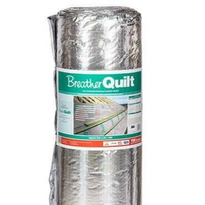
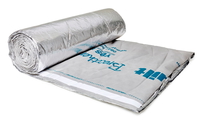
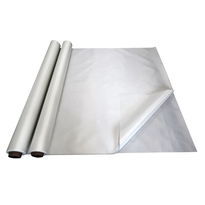
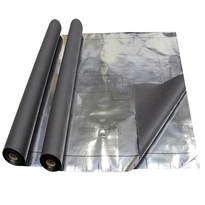
Reflective Breathable Membrane
Reflective breathable membranes are specialised building materials crafted to enhance insulation and moisture control. These innovative products typically feature layers such as microporous films or metallised polypropylene, which effectively reflect radiant heat while allowing vapour to escape.
Utilising these membranes can significantly reduce heat transfer, boost energy efficiency, and prevent moisture build-up, contributing to more comfortable and durable buildings.
Proper installation is crucial to maximise the benefits of these materials. With ongoing advancements focused on durability and sustainability, the exploration of their features reveals how they can elevate building performance over time.
Incorporating reflective breathable membranes into construction and renovation projects represents a proactive approach to improving the overall efficiency and longevity of buildings in the UK.
Composition and Key Components of Reflective Membranes
Reflective breathable membranes are crafted from a blend of specialised materials and layered structures that collaboratively provide insulation and moisture control.
These membranes commonly incorporate polyethylene films, particularly in advanced forms that facilitate even vapour diffusion, rather than relying solely on pores.
A durable base layer of spunbonded polypropylene is utilised to ensure breathability, while composite materials merge elements such as microporous films or woven glass with aluminium foil, enhancing functionality, including fire resistance and reflectivity.
Embedded metallic layers within the membranes serve to reflect radiant heat, effectively assisting in maintaining the desired thermal conditions within buildings.
The reflective surface typically features low emissivity foil or metallised film, and it's crucial to install a sufficient air gap to maximise efficiency.
Reflective membranes are designed to enhance the thermal performance of building envelopes by reflecting infrared radiation, thereby reducing heat transfer through the structure.
These carefully designed layers guarantee an optimal balance of moisture management, durability, and thermal performance, making reflective membranes an essential component in modern construction and insulation strategies.
Enhancing Thermal Performance and Energy Efficiency
Applying reflective coatings to membranes enhances their capacity to reflect heat, thereby minimising heat transfer through walls.
Correct installation, including precise placement and appropriate fixing methods, maximises these thermal advantages and prevents gaps that could compromise performance.
When utilised effectively, these coatings and installation practices assist buildings in achieving energy efficiency targets and reducing heating expenses.
By improving thermal performance, reflective coatings contribute to a more comfortable indoor environment while also supporting sustainability efforts.
This approach not only benefits individual properties but can also play a significant role in broader energy conservation initiatives across the UK.
Investing in high-quality materials and skilled installation ensures that properties can fully capitalise on the benefits of reflective coatings, leading to long-term savings and enhanced energy efficiency.
Reflective Coatings for Insulation
Certain coatings enhance insulation by reflecting sunlight and thermal radiation, which helps to keep building surfaces cooler.
These thermo-reflective coatings significantly reduce surface temperatures by bouncing back solar heat, resulting in a more comfortable environment indoors. Coatings with high solar reflectance can lead to substantial savings in HVAC energy consumption in warmer climates by reducing cooling demands.
They function by reflecting both solar radiation and thermal heat, thereby decreasing heat transfer through walls and roofs. When applied to insulation materials, these coatings diminish radiative heat transfer without adding considerable weight.
Thermal imaging reveals that coated surfaces maintain much cooler temperatures during periods of heat exposure.
Proper Installation for Maximum Benefits
Proper installation of breathable membranes is essential to maximise their thermal performance and energy-saving benefits. Starting at the eaves ensures effective water drainage and helps prevent leaks. The membrane should run parallel to the roof eaves with the printed side facing outward, and the lower edge should extend sufficiently into the gutter or over supports to stop water ingress. Proper placement of the membrane helps maintain a consistent barrier against moisture that could compromise insulation. Overlapping each strip according to the manufacturer's guidelines and securing with fasteners maintains the membrane’s integrity. Creating a ventilation space with counter-battens is crucial for allowing air to flow freely, which helps prevent moisture build-up. Sealing all joints and penetrations with approved tapes is necessary to avoid leaks that could reduce efficiency. Proper alignment with roofing elements and using appropriate supports protects the membrane, ensuring its longevity, improved thermal performance, and maximum energy efficiency.
Managing Moisture and Promoting Breathability
Managing moisture and promoting breathability are vital for maintaining the integrity and comfort of buildings. Reflective breathable membranes allow moisture vapour to escape from within while preventing water ingress from the outside, helping to avert issues like mould and dampness. These membranes are typically constructed from materials such as metallised polypropylene or polyethylene with microporous films, which effectively balance moisture release and external water protection. The membranes are also CE approved and comply with CPR standards, ensuring they meet rigorous safety and performance criteria. In addition to their moisture management properties, these membranes also reflect radiant heat, helping to reduce the thermal load on buildings and enhance energy efficiency. When installed with a small air gap, they significantly improve insulation performance and contribute to stable indoor temperatures. Positioned externally to insulation, they facilitate the exit of moisture while blocking external moisture and wind-driven rain. Effective management of vapour and airflow not only protects the building’s structure but also promotes a healthier and more comfortable living environment. Ensuring proper installation and maintenance of these systems is essential for optimal performance, ultimately contributing to the long-term durability and energy efficiency of the building.
Durability and Structural Compatibility
Reflective breathable membranes are engineered to combine robust mechanical properties with enduring performance, ensuring they can withstand the rigours of installation and environmental exposure. Their compatibility with various structural systems hinges on correct installation practices and specific design features, such as suitable cavity spaces and fixing intervals. A thorough understanding of these durability factors is essential, as it enhances the longevity of the membranes and guarantees their effectiveness within diverse building frameworks. Thermal efficiency improvement also plays a critical role in maintaining the integrity of the membrane over time by reducing stress caused by temperature fluctuations.
Mechanical Strength and Longevity
Many breathable membranes are expertly crafted to endure the rigours of installation and prolonged use, ensuring their efficacy throughout a building's lifespan. Tyvek® Reflex offers commendable tensile strength and flexibility, effectively withstanding loads while resisting tears during handling. DuPont™ Airguard® Reflective provides superior strength, with tensile forces exceeding expectations in some directions and elongations contributing to its durability. FIREFLY Membrane WP is exceptionally robust, maintaining high tensile strength even after prolonged exposure to the elements, while EXOPERM MONO 150's monolithic design enhances wind tightness and waterproofing capabilities. These attributes guarantee that the membranes deliver enduring performance, resisting damage and degradation over time. UKCA certified membrane enhances longevity and compliance with UK standards, ensuring consistent performance in demanding conditions. Consequently, they preserve their structural integrity and long-term functionality, supporting safe and reliable buildings for many years to come.
Installation Flexibility and Compatibility
Installation flexibility and compatibility are vital characteristics that enable breathable membranes to integrate seamlessly into various building applications. They accommodate a range of fixing and overlapping techniques, such as overlaps from 50mm to 150mm, aligning with battens, and sealing with robust adhesive tapes. Membranes can be installed either horizontally or vertically, commencing at the eaves or bottom edge to effectively shed water. They are designed to accommodate different roof pitches and wall orientations, ensuring consistent performance across diverse structures. Key considerations include:
Utilising counter battens provides essential air gaps and secure fixing surfaces while enhancing drainage.
Membranes are suitable for both pitched roofs and vertical walls, adapting to various structural frameworks.
Ensuring proper sealing around penetrations and window reveals is crucial for maintaining continuous breathability and waterproof protection.
This adaptability ensures that membranes function reliably across diverse surfaces, significantly enhancing durability and performance.
Correct Installation Practices and Considerations
Properly installing a reflective breathable membrane requires careful attention to detail and adherence to best practices.
It's essential to begin at the eaves, ensuring that the membrane extends sufficiently into the gutter for effective water management. Installing an eaves support tray or UV-resistant membrane first helps protect the overall system.
Overlap the breathable membrane over the support tray adequately to prevent leaks, ensuring the printed side faces outward.
Position the membrane horizontally along the roof slope, maintaining consistent overlaps and supporting these overlaps with additional battens if necessary.
During installation, drape the membrane over rafters or battens with a slight dip to facilitate water runoff.
It's crucial to seal joints with manufacturer-approved tapes and fix securely with appropriate fastenings to guarantee long-lasting performance.
Environmental Impact and Building Regulations
Reflective breathable membranes play a crucial role in adhering to contemporary building regulations while enhancing energy efficiency. They assist buildings in meeting stringent standards such as UK Building Regulations Part L and EU energy directives. These membranes, validated through Environmental Product Declarations (EPDs), offer clarity regarding their environmental impact. Key advantages include:
Supporting compliance with energy-saving regulations by minimising heat loss.
Aiding in moisture control and vapour management within building envelopes.
Contributing to sustainability initiatives by utilising recycled or bio-based materials.
Manufacturing processes involve energy consumption and waste management, which are tracked to improve sustainability. The manufacturing process does involve energy consumption and waste management; however, low-emissivity reflective layers significantly improve thermal performance over time.
This ultimately reduces operational carbon emissions, fostering a greater sense of community engagement with environmentally conscious construction practices. In this way, everyone can benefit from greener, more energy-efficient buildings.
Customization and Versatile Applications
Reflective breathable membranes can be tailored to meet a diverse range of building requirements and environmental conditions. They're offered in various grades, with options suited for both lightweight and heavy-duty applications, catering to different levels of strength and durability. These membranes frequently feature metallised or low-emissivity surfaces, which enhance thermal reflection properties and contribute to improved energy efficiency. They are ideal for both new constructions and refurbishments, compatible with a variety of building types and thermal specifications. Furthermore, these membranes can be integrated with multifunctional insulation products that provide reflective qualities, breathability, and effective condensation control. Reflective membranes are often available in different configurations to meet specific project needs. Customization also extends to certification and compliance options, including CE marking and approvals from recognised bodies, allowing builders to select solutions tailored to specific markets and project requirements. This adaptability makes reflective breathable membranes a versatile choice for modern construction projects in the UK.
Conclusion
Reflective breathable membranes are crucial for contemporary building designs, providing enhanced thermal performance, moisture management, and durability. Their unique composition supports energy efficiency while facilitating adequate ventilation. Proper installation and compliance with environmental standards are key to ensuring long-lasting benefits.
These membranes are adaptable, suitable for a range of applications, and can be customised to meet specific requirements. When implemented correctly and responsibly, they significantly contribute to healthier, more energy-efficient structures.