
Sheep Wool Batts
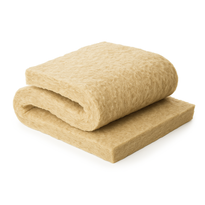
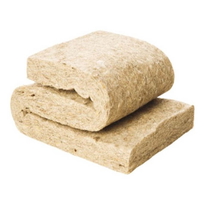
Sheep wool batts are environmentally friendly insulation materials crafted from carefully processed wool fibres. The manufacturing process involves cleaning, carding the fibres into webs, and bonding them through needle punching or felting. These batts provide excellent thermal and acoustic performance, naturally absorbing moisture to help regulate indoor humidity levels. Their ability to reduce indoor pollutants and promote healthier air quality makes them a popular choice within eco-conscious construction in the UK.
Durable and fire resistant, sheep wool batts are well-suited for insulating walls, floors, and ceilings. Their sustainable nature and natural properties enable them to contribute to energy efficiency while supporting environmentally responsible building practices. Investigating further reveals that their unique composition and versatile application can enhance both the health and energy performance of a building, making them a valuable addition to sustainable housing and renovation projects across the UK.
Composition and Manufacturing of Wool Insulation
The composition and manufacturing of wool insulation involve a series of carefully controlled processes that transform raw wool into a functional building material. Wool is sheared from sheep and sorted by colour, with a preference for white wool because it's easier to dye. Sorting ensures consistent colour and quality, which impacts insulation performance and cost. The raw wool contains natural oils such as lanolin, dirt, and vegetable matter that must be removed through washing with organic or mild detergents. This process protects fibre integrity while eliminating contaminants. Initial Sorting After thorough drying, the wool is carded using specialised machines that align fibres into uniform webs. These webs are then layered and mechanically bonded via needle punching or felting to create resilient batts. These steps result in a breathable, durable insulation product suitable for building applications across the UK. The process emphasises quality control to ensure a high standard of insulation material that meets environmental and performance criteria relevant to British construction standards.
Benefits for Indoor Environment and Sustainability
Sheep wool insulation offers tangible benefits for indoor environments and promotes sustainability through its natural properties and environmentally conscious production processes. Its ability to absorb and neutralise household air toxins like formaldehyde and VOCs improves indoor air quality by chemically binding pollutants, reducing odours, and preventing mould growth due to moisture regulation and antimicrobial qualities. Sheep wool’s ability to naturally filter air helps improve overall air purity within enclosed spaces. Wool can absorb up to 33% of its weight in moisture without losing insulating properties, helping to maintain stable humidity levels and prevent mould. As a renewable resource harvested through ethical shearing, sheep wool is biodegradable, recyclable, and requires less embodied energy than synthetic alternatives, aligning with sustainable building practices. Its long lifespan, non-toxicity, and fire-resistant qualities further support healthier, more durable indoor environments.
Common Applications and Regional Market Insights
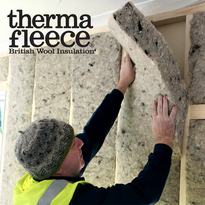
In building and construction applications within the UK, sheep wool batts are primarily utilised as thermal insulation in walls, floors, and roofs. Their high insulating properties significantly contribute to enhancing energy efficiency. Keeps air cleaner with naturally toxin-free materials. They're typically supplied as pre-cut batts, enabling quick and precise fitting in both new timber frame constructions and retrofit projects. Sheep wool batts also serve as effective acoustic panels, helping to improve soundproofing in residential and commercial spaces. Their compatibility with breathable materials such as lime plaster and wood fibre boards supports healthy building envelopes, although they're avoided in damp areas like basements due to their moisture sensitivity. Across the UK, regions favour sheep wool for sustainable insulation solutions owing to its natural properties and environmental benefits. The market offers a variety of sheep wool insulation products—including batts, rolls, and loose fill—tailored to diverse construction needs, with some options incorporating thermal performance enhancements for improved energy efficiency. These options enable builders and homeowners to select suitable solutions for thermal comfort, acoustic performance, and sustainability standards.
Conclusion
Sheep wool batts
Sheep wool batts provide an effective insulation solution by utilising the natural properties of sheep wool, such as breathability, moisture regulation, and biodegradability. Their manufacturing process involves careful preparation to maintain these qualities, ensuring the insulation performs well while supporting sustainability. These batts are suitable for a range of regional applications, including residential and commercial buildings across the UK.
Utilising wool insulation can enhance indoor air quality by moderating humidity levels and reducing mould growth. Additionally, sheep wool is a renewable resource that biodegrades naturally at the end of its lifecycle, making it an environmentally responsible choice.
Understanding the attributes of sheep wool batts allows homeowners and builders to select insulation that is not only durable and effective but also aligns with eco-friendly building practices. Their unique properties help create healthier indoor environments while contributing to sustainable construction initiatives.