



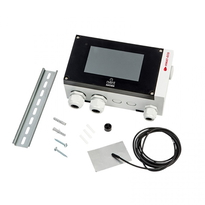
Submersible Heat Cable
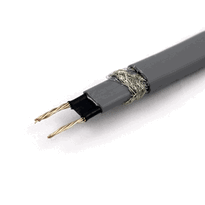
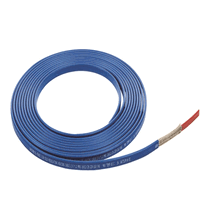
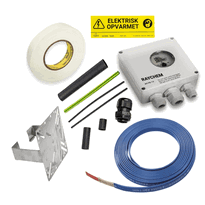
Submersible heat cables are specialized heating elements crafted with robust materials such as copper and stainless steel braiding. They incorporate waterproof insulation, often made from ETFE, to prevent moisture ingress and ensure reliable operation in damp environments. These cables are commonly utilized in applications including pipe freeze protection, industrial process heating, and municipal water systems, where consistent and efficient heat transfer within water or moist surroundings is critical.
Installation requires thorough surface preparation, correct spacing of the cables, and adherence to safety protocols to guarantee long-term performance. Detailed guidance on installation and maintenance can provide further assurance of their effectiveness. These cables are designed to withstand challenging conditions, ensuring the integrity and safety of the surrounding systems while maintaining energy efficiency.
Key Features and Construction of Submersible Heat Cables
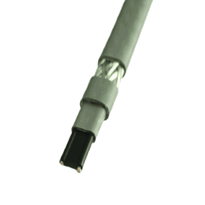
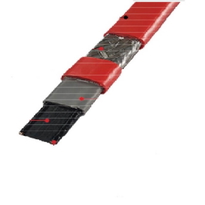
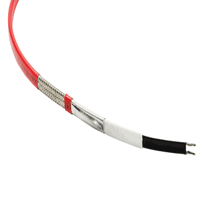
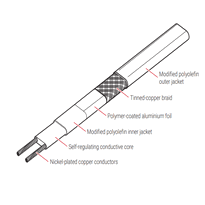
Submersible heat cables are designed with carefully selected materials and components to ensure reliable operation in submerged and wet environments. They typically utilize copper bus wire, usually 12 AWG (approximately 2.5 mm²), which offers excellent electrical conductivity and durability. Key to their design is the use of special insulation materials that withstand prolonged exposure to water and moisture. The core comprises metal resistance heating elements engineered for precise temperature control and to limit heat output, thereby preventing overheating. High-quality insulation materials such as ETFE (Fluon®) are employed to provide waterproof, food-grade protection suitable for submersion. These insulations ensure the cable remains electrically safe and resistant to moisture ingress over extended periods. To guarantee consistent electrical performance and mechanical strength, welded heater-to-bus connections are utilized, fostering secure and reliable connections. The outer layers often feature nickel-plated copper or 316 stainless steel braiding. These protective sheaths deliver mechanical resilience, corrosion resistance, and grounding capabilities, essential for long-term durability in challenging submerged conditions. Additionally, integrating advanced manufacturing techniques ensures the cables meet rigorous industry standards for safety and reliability. All these construction features integrate seamlessly, resulting in a robust and dependable cable capable of performing safely and effectively across various underwater and submerged applications.
Practical Applications and Industry Uses
Practical applications of submersible heat cables cover a broad spectrum of industries, where they play an essential role in maintaining system integrity and operational efficiency within submerged or moisture-prone environments. Their primary use involves freeze protection in water and wastewater systems, where they're installed directly inside pipes or vessels. This approach ensures a continuous flow of fluids and prevents damage caused by ice formation during cold weather conditions. Manufacturers such as Durex Industries and Hillesheim GmbH offer customizable models tailored to specific industry needs. In the domain of industrial process heating, these cables are utilised to maintain precise temperatures within tanks, pumps, and other manufacturing equipment. They're capable of operating at high temperatures, supporting various manufacturing processes and safeguarding critical infrastructure. Municipal water systems also greatly benefit from the use of submersible heat cables. They help prevent pipes from freezing in colder climates, thereby reducing the risk of service interruptions and costly repairs. Additionally, these cables are engineered for ease of installation and durability, making them suitable for challenging environments. Furthermore, they serve to protect essential equipment such as pumps and heat exchangers from freezing, ensuring reliability and continuous operation throughout the year. Designed for efficiency, these cables facilitate effective heat transfer while minimizing energy consumption. They offer a safe, low-maintenance solution across multiple sectors, helping industries and municipalities meet their operational demands even under challenging environmental conditions.
Installation Guidelines and Safety Considerations
Installation Guidelines and Safety Considerations for Heat Cables
Proper installation of heat cables requires careful adherence to detailed guidelines to ensure safety, reliability, and optimal performance.
Surface Preparation
Begin by thoroughly cleaning the surfaces where the cables will be installed. This involves removing any dust, dirt, or loose debris and then abrading the cable sheath on either side of joints to promote secure bonding. Accurate measurement and precise cutting of the cables are essential, following the manufacturer’s specifications to ensure proper fit and functionality. Additionally, inspecting the cable for any damage before installation is crucial to prevent system failures later on.
Subfloor Conditions
Before laying the membrane, confirm that the subfloor is clean, dry, and free from debris. This provides a stable foundation, helping to prevent movement or damage during installation. The membrane should be applied smoothly, avoiding overlaps and ensuring it lies flat against the surface. Proper surface preparation reduces the risk of cable damage and ensures effective heat transfer across the system. Ensuring good insulation and vapor barriers under the cables can also enhance overall efficiency.
Care must be taken to prevent air pockets, which could impair adhesion and compromise the effectiveness of the system.
Electrical Connections
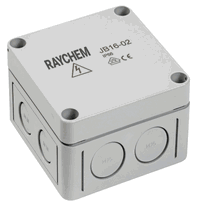
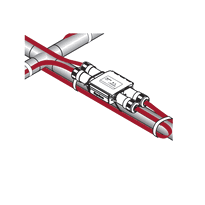
Electrical connections should be made by plugging into dedicated outlets designed for heat cable systems. Electrical boxes must be positioned at accessible heights to facilitate future maintenance or inspection.
It's crucial to keep the cables at least three inches (approximately 7.5 cm) away from walls, fixtures, and other fixed structures to prevent overheating and ensure safe operation. Using appropriate connection accessories can help maintain system integrity and safety standards.
Cable Placement and Safety
During installation, the cables should follow the designated spacing pattern provided by the manufacturer. This spacing ensures even heat distribution and efficient system performance.
Cables shouldn't cross under furniture, through walls, or in areas where they might be subjected to damage or excessive stress. Regular resistance testing is recommended to verify the integrity of the cables throughout the installation process.
Handling Precautions
Handle the cables with care during placement to avoid damaging the sheath or insulation. Damage to the cables can weaken the system’s performance and pose safety risks.
Always follow manufacturer guidance regarding bending radii and installation techniques to maintain the integrity and safety of the system.
Following these guidelines will help ensure the safe, effective, and long-lasting operation of heat cable systems in UK installations.
Conclusion
Submersible heat cables offer a dependable and efficient heating solution for submerged environments, combining robust construction with safety features suitable for a range of industrial and practical applications. An in-depth understanding of their key features, installation procedures, and safety considerations is essential for achieving optimal performance and prolonging their service life.
Proper installation following established guidelines helps to minimize risks, ensures effective heat transfer, and extends the longevity of the system. Selecting the appropriate cable type and adhering to precise installation protocols are crucial steps in attaining desired outcomes and maintaining safe operations in submerged heating applications.