
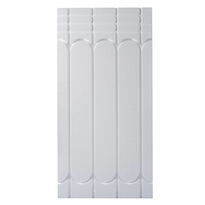
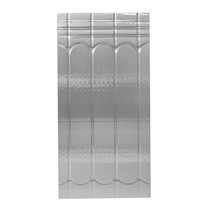
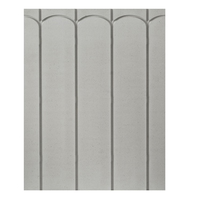
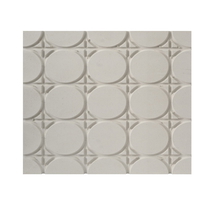
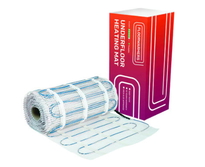
UFH Insulation
Insulation is a crucial component in improving the efficiency of underfloor heating (UFH) systems across the UK. It works by preventing heat from escaping downwards, thereby directing warmth into the living spaces above and helping to maintain a consistent surface temperature. This not only enhances comfort but also reduces energy consumption and operating costs.
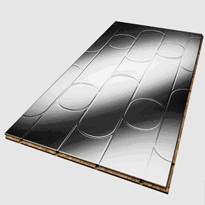
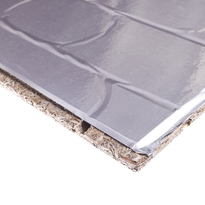
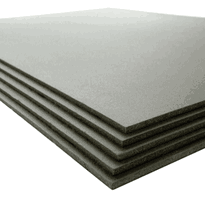
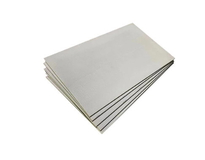
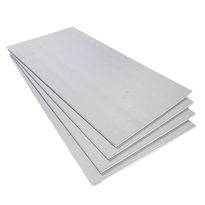
Suitable insulation materials include polyisocyanurate, polyisocyanurate boards, expanded polystyrene (EPS), extruded polystyrene (XPS), polyurethane foam, and cork. Each of these materials offers distinct advantages in terms of thermal performance, durability, and sustainability. Selecting the appropriate insulation depends on factors such as the type of subfloor, load-bearing requirements, and environmental considerations.
Proper installation is key to maximising the benefits of insulation. This involves sealing joints thoroughly to prevent heat leakage, fitting insulation boards tightly together, and securely covering all penetrations such as pipes and wiring. Ensuring a continuous and well-sealed insulation layer helps to optimise heat distribution across the floor surface, resulting in a more energy-efficient system.
Effective insulation techniques not only improve the performance of UFH systems but also extend their lifespan by reducing stress on heating components. When correctly installed, insulation can lead to significant savings on energy bills and contribute to a more sustainable and comfortable home environment.
For those seeking to enhance their underfloor heating system’s efficiency, investing in quality insulation and ensuring meticulous installation are vital steps. Further guidance and detailed specifications can be obtained to tailor insulation solutions to specific project requirements.
The Role of Insulation in Underfloor Heating Efficiency
Have you ever considered how insulation beneath underfloor heating (UFH) influences its overall performance? Insulation plays a crucial role in preventing heat from escaping downwards, ensuring warmth is directed upwards into the living space. Proper installation of insulation enhances the system’s efficiency by minimising heat loss through the floor, thereby reducing energy wastage. Effective insulation helps to prevent heat from radiating into unheated spaces below, maintaining energy focus where it is needed most. When insulation effectively redirects heat, the UFH system requires less energy to maintain comfortable temperatures, which can lead to lower utility bills and a smaller environmental footprint. Additionally, insulation helps to achieve consistent and even surface temperatures, preventing cold spots and increasing occupant comfort. It also reduces warm-up times, delivering quicker response and making the system more adaptable to changing heating demands.
Types of Insulation Materials for UFH Systems
Selecting the appropriate insulation material for underfloor heating (UFH) systems requires careful consideration of several factors, including thermal performance, moisture resistance, durability, ease of installation, and cost. Suitable insulation materials, such as PIR, XPS, EPS, cork, and polyisocyanurate, each offer distinct benefits tailored to specific needs and environments. Common options include expanded polystyrene (EPS), which is lightweight and simple to install, offering good thermal insulation and consistent performance. Polyisocyanurate (Polyiso) rigid boards deliver high thermal efficiency and are well-suited for situations where space optimisation is important. Cork insulation, a natural and sustainable material, resists moisture effectively and offers additional acoustic benefits, contributing to a comfortable living environment. Rigid foam insulation remains the most suitable choice overall due to its high thermal resistance (low U-values), durability, and compatibility with various installation methods. These qualities help ensure the UFH system’s efficiency and longevity, contributing to a comfortable and energy-efficient indoor environment. Additionally, choosing moisture-resistant options can help prevent problems related to moisture absorption that might compromise insulative performance over time.
Benefits of Proper Insulation Installation
Proper insulation installation is essential for maximising the performance and efficiency of underfloor heating (UFH) systems. It significantly impacts heat retention, distribution, and overall energy consumption.
When insulation is correctly installed, it ensures a consistent warm floor surface, enhancing comfort and preventing heat from escaping downward. This reduces unnecessary energy waste.
Well-fitted insulation promotes rapid and uniform heating across the floor, minimising cold and hot spots and creating a more even temperature throughout the space.
Additionally, effective insulation installation allows UFH systems to operate at lower temperatures, reducing wear on the system components and extending their lifespan.
Beyond thermal benefits, proper insulation installation also enhances moisture control, provides damp-proofing, and improves sound absorption, contributing to a healthier and quieter home environment.
Ensuring the insulation boards are tightly fitted and the subfloor is suitably prepared is vital to fully realise these benefits and optimise system performance.
Proper installation also involves ensuring appropriate vapour barriers are in place to prevent moisture from compromising the insulation and overall system efficiency.
Cost Savings and Energy Efficiency Gains
Energy savings are a key advantage of underfloor heating (UFH) systems, capable of reducing overall energy consumption by up to 35% compared to traditional radiators.
By operating at lower temperatures, UFH distributes heat evenly across rooms, minimising cold spots and maintaining consistent comfort levels. Its efficiency is further enhanced by zoning capabilities, which enable precise temperature control in different areas and help prevent unnecessary energy use.
When combined with renewable energy sources, UFH can significantly decrease reliance on fossil fuels, thereby contributing to lower carbon emissions.
Over the longer term, these benefits lead to noticeable reductions in heating bills and operational costs. Many regions in the UK also offer incentives for adopting energy-efficient systems, further increasing the financial advantages of choosing UFH.
Best Practices for Retrofitting With Insulation
Implementing effective retrofit insulation beneath existing floors is a crucial step in optimising underfloor heating (UFH) performance and reducing heat loss. Proper insulation *enhances* efficiency and helps create a warm, comfortable environment, fostering a sense of belonging within the space. Research shows that high-quality insulation can reduce heat loss by up to 60%, significantly improving system efficiency. When undertaking retrofitting, consider these practical elements:
- Visualise insulating boards such as extruded polystyrene (XPS) or polyisocyanurate (PIR) being precisely fitted snugly against the subfloor.
- Picture sealing all joints and edges with tape to eliminate gaps in the thermal barrier.
- Imagine carefully aligning insulation around pipes and floor penetrations to prevent heat escape.
- Envision laying boards in a pattern that maximises coverage, thereby reducing cold spots.
- Protection sheets and boards can provide an additional layer of protection during installation, ensuring surfaces remain undamaged and clean.
- Think about selecting insulation materials that offer high performance with minimal thickness to preserve room height and maximise usable space.
Adhering to these best practices ensures a seamless fit, enhances heat retention, and promotes a welcoming atmosphere that supports the efficiency of underfloor heating systems.
Conclusion
Proper insulation significantly enhances the efficiency of underfloor heating systems by reducing heat loss and maintaining a consistent temperature. Choosing appropriate insulation materials and following best installation practices are essential to optimise performance and achieve energy savings. Upgrading existing systems with high-quality insulation can also improve comfort levels and decrease operational costs over time. Implementing these strategies with precision and care ensures that underfloor heating operates effectively, providing reliable warmth while minimising energy consumption and environmental impact.