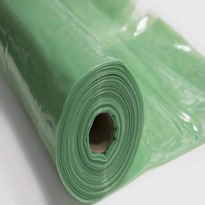
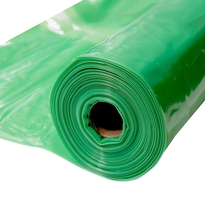
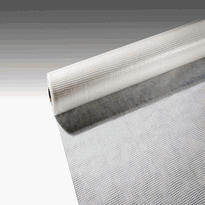
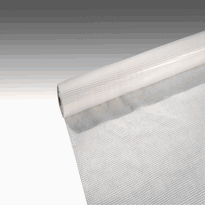
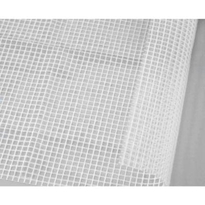
Vapour Control Layer Cavity Wall
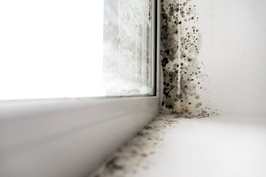
A vapour control layer (VCL) in a cavity wall is designed to inhibit moisture from permeating through walls, safeguarding insulation and preventing damage. It is typically fitted on the warm side of the insulation to prevent warm, moist air from entering the cavity, which can lead to condensation and mould growth.
Proper sealing and overlaps are crucial for maintaining the effectiveness of the VCL. Ensuring that the layer is correctly installed and well-maintained can significantly enhance the performance of the wall system, contributing to a healthier indoor environment.
Attention to detail during installation, such as using appropriate materials and techniques, is essential to optimise the benefits of the vapour control layer. By adhering to best practices, you can ensure that your cavity wall remains effective in preventing moisture-related issues.
Understanding the Purpose of Vapour Control Layers
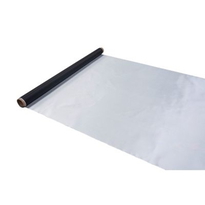
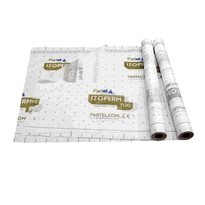
Vapour control layers (VCLs) play a vital role in contemporary building design by managing moisture movement within walls. These specialised membranes, typically made from plastic or similar materials, effectively block warm, moist air from permeating the building fabric. Their primary function is to prevent excess moisture from entering cavity walls behind insulation, thereby reducing the risk of harmful condensation.
In general, any minor moisture vapour present in the cavity tends to escape naturally through porous materials such as bricks. VCLs also contribute to keeping the insulation dry, which is essential for maintaining energy efficiency and safeguarding structural elements from dampness and decay.
By acting as a barrier to water vapour, VCLs prevent the unseen accumulation of moisture that could compromise the integrity of walls and result in expensive repairs over time.
Proper Placement and Installation Techniques in Cavity Walls
Proper placement and correct installation of vapour control layers (VCLs) in cavity walls are crucial steps that significantly impact the overall efficiency of moisture management.
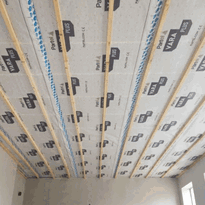
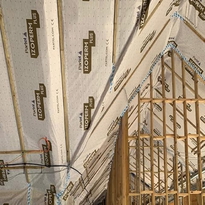
VCLs should be positioned on the warm side of the insulation, typically the interior face, to prevent moist, warm air from penetrating the cavity and causing condensation. They are installed between the inner wall and the insulation, while the outer wall remains porous, allowing moisture to escape naturally.
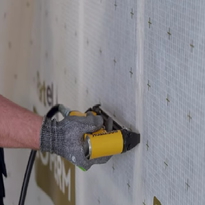
Surfaces must be clean and dry prior to applying the VCL, and overlaps should be sealed using approved tape. It's essential to seal any staples to maintain airtightness, and penetrations such as pipes or electrical outlets must also be properly sealed.
Edges should be tightly secured to create a continuous, vapour-tight barrier, ensuring the wall’s moisture control remains effective for years to come. This meticulous attention to detail aids in preserving the integrity of the structure and enhances energy efficiency.
How VCL Prevents Interstitial Condensation
Vapour Control Layers (VCLs) play a crucial role in preventing warm, moist indoor air from infiltrating the wall cavity, thereby minimising the risk of condensation on colder surfaces. By effectively managing vapour movement and ensuring stable temperatures, VCLs help to maintain moisture levels that are well within safe limits, thus averting the occurrence of interstitial condensation. This protective layer not only safeguards the integrity of the building structure but also enhances the performance and longevity of insulation materials. VCLs manage interstitial condensation within building construction. In the UK, where weather conditions can lead to significant temperature fluctuations, the implementation of VCLs is particularly vital. By reducing the potential for dampness and mould growth, VCLs contribute to a healthier indoor environment, making them an essential component of modern building practices.
Moisture Pathway Blocking
By acting as a barrier within the wall cavity, the Vapour Control Layer (VCL) prevents moist, warm air from penetrating into cooler parts of the structure where it can condense into water. This significantly reduces the risk of interstitial condensation, which can damage insulation and structural elements. The VCL is designed with a high Sd-value, meaning it effectively resists vapour flow, particularly when using high-quality membranes. Its adaptability allows it to respond to changing humidity levels, ensuring spaces remain dry. Building regulations such as BS 5250 and PAS 2035 highlight the importance of this moisture management. Here’s a quick overview of its features and benefits:
Key Feature |
Benefit |
| High Sd-value membrane | Stops vapour transmission |
| Variable permeability | Adjusts to humidity changes |
| Continuous installation | Prevents vapour leaks |
This effective barrier management plays a crucial role in protecting the longevity of buildings while enhancing occupant comfort by maintaining a dry and durable wall cavity.
Temperature Regulation Benefits
When a Vapour Control Layer is correctly installed, it plays a crucial role in maintaining consistent temperatures within wall cavities, which is vital for preventing interstitial condensation. This layer serves as a barrier, moderating heat transfer and controlling moisture diffusion. Proper installation ensures that warm, moist air does not reach the cold surfaces within the wall assembly, reducing the risk of condensation forming on internal surfaces. Adherence to UK standards helps guarantee the layer’s effectiveness in controlling vapour movement and contributing to the building’s overall durability and energy efficiency.
Condensation Prevention Strategies
A Vapour Control Layer (VCL) is essential in preventing interstitial condensation by managing the movement of moisture within wall cavities. It effectively restricts warm, moist air from indoors from entering the cavity, thereby minimising the risk of condensation occurring on colder surfaces. The VCL permits any minimal moisture present to evaporate outwards through the porous brick exterior, which aids in drying and prevents moisture accumulation. For optimal performance, it's crucial that the VCL is positioned correctly on the interior side of the insulation. The membrane's low vapour permeability significantly limits moisture transfer, while careful detailing around any penetrations helps to minimise leaks that could create condensation points. When combined with proper ventilation and breathable outer layers, the VCL plays a vital role in reducing dampness, protecting the integrity of the building structure, and enhancing its longevity. Proper installation is critical, as even small defects can compromise its effectiveness and lead to increased moisture problems in wall assemblies.
Differentiating Between VCL and Damp-Proof Membranes
Vapour Control Layers (VCLs) and damp-proof membranes (DPMs) serve distinct functions in building protection, making it essential to comprehend their differences.
VCLs primarily prevent moisture vapour from within the building from passing into wall cavities, thereby safeguarding insulation from condensation. Conversely, DPMs are designed to block ground moisture from rising into the structure, acting as a physical barrier against liquid water. To clarify:
VCLs are typically thin sheets installed within walls to manage vapour diffusion.
DPMs, on the other hand, are thicker barriers placed beneath floors to resist moisture from the ground. Different building components require different types of barriers, which highlights the importance of using the correct membrane for each application.
While VCLs help prevent condensation build-up, DPMs effectively combat rising damp caused by saturated soil.
Understanding these distinctions is crucial to ensure the appropriate material is used, promoting a healthier and more durable building environment for all.
Material Types and Specifications for VCLs
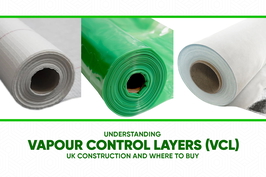
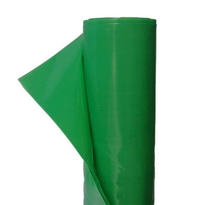
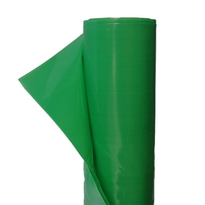
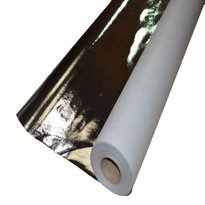
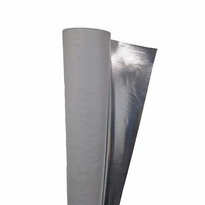
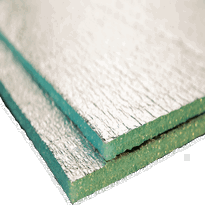
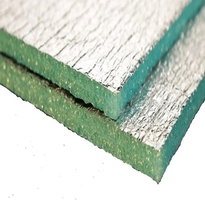
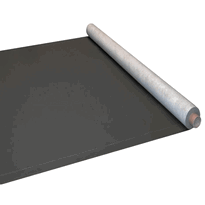
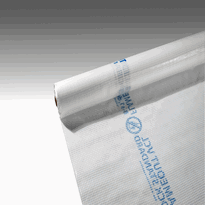
Various materials are employed to create Vapour Control Layers (VCLs), each tailored to meet specific building requirements. Common options include foil laminates, polyethylene films, and reinforced polythene membranes. For high-performance walls, foil-faced polyisocyanurate foam serves as a Class I vapour retarder with a very low perm rating. Thickness can vary, depending on the type of reinforcement and product specification. Multi-layer foils with aluminium facing offer enhanced durability and moisture resistance, while certain spray foams can function as vapour retarders with moderate permeance.
Careful selection of these materials is crucial for effective moisture management, safeguarding the integrity of wall systems. The table below outlines essential material characteristics and their suitability for various applications:
Material Type |
Perm Rating |
Typical Use Case |
| Foil-faced Polyisocyanurate | Low | High-performance walls |
| Polythene Films | Variable thickness | General moisture control |
| Reinforced Membranes | Variable | Durability in wet conditions |
Ensuring Effective Sealing and Overlap for VCL Performance
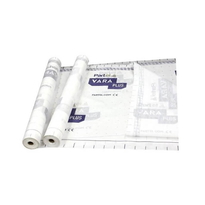
Effective sealing begins with employing the appropriate techniques, such as securing the vapour control layer (VCL) with staples or tape that don't puncture the membrane, thereby maintaining airtightness. This approach helps prevent unintended holes that could compromise the barrier’s effectiveness. Overlaps should be completely sealed with compatible adhesive tape to ensure continuous vapour and air barriers, avoiding any gaps or wrinkles. Proper handling of penetrations, such as vents and pipes, is crucial. Utilising grommets and sealants helps prevent leaks and preserves the integrity of the VCL. Taking these steps is vital for optimal performance and longevity of the vapour control layer in your construction projects.
Proper Sealing Techniques
Proper sealing techniques are vital for maintaining the integrity of the Vapour Control Layer (VCL) and ensuring its effective performance. To achieve this, several methods should be employed:
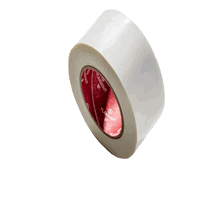
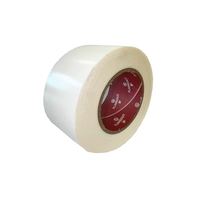
Utilise compatible tapes, such as pressure-sensitive double-sided VCL tapes, to create seamless, airtight joints that prevent vapour leaks.
Seal all penetrations with appropriate materials like service grommets or fluid-applied sealants to maintain continuous vapour barriers around pipes and fixtures.
Ensure overlap areas are properly sealed, especially at junctions like walls, floors, and openings, by applying continuous beads of acoustical or sealant materials for a secure, airtight connection.
Proper application of these sealing techniques prevents moisture infiltration, which can otherwise compromise the wall assembly’s performance over time.
These techniques help protect the VCL from damage, ensuring the wall’s overall resilience and energy efficiency.
Continuous Overlap Strategies
Ensuring continuous overlap of Vapour Control Layer (VCL) sheets is essential for maintaining an effective vapour barrier in building walls. Overlaps should be substantial, particularly where support is limited. It’s crucial that each sheet fully covers the edge of the previous one, preventing gaps that could lead to vapour leaks.
Proper sealing with specialised vapour-resistant tapes is important to secure these overlaps. The tape must be applied smoothly along the entire length of the overlap, ensuring a watertight and airtight seal.
During installation, overlaps should be extended correctly at junctions, covering all edges and fixings to maintain continuous coverage.
Careful measurement and inspection are necessary to avoid gaps or wrinkles, ensuring the VCL performs reliably over time. Maintaining these best practices will enhance the overall effectiveness of the vapour control system in your building project.
Handling Penetrations Properly
Handling penetrations in the Vapour Control Layer (VCL) requires meticulous attention to avoid leaks and maintain the barrier’s effectiveness. Proper sealing ensures that moisture and air don't bypass the VCL, which is essential for energy efficiency and the longevity of the structure.
Consider these key steps:
Start by fixing the VCL with staples or screws into timber supports, such as studs or joists. If there's no finishing layer to cover these fastenings, seal the holes with VCL-specific tape.
Ensure that all overlaps are sealed with double-sided tape on the interior and foil tape on the exterior to eliminate any gaps.
For larger or irregular penetrations, such as pipes, utilise liquid membranes, wrapping the membrane around the edges to achieve a snug seal.
Adhering to these practices helps create a continuous, airtight barrier. By managing penetrations diligently, one can avoid compromising the effectiveness of moisture control within cavity wall systems, ensuring lasting results.
The Role of VCL in Building Energy Efficiency and Durability
Vapour Control Layers (VCLs) are essential for enhancing the energy efficiency and durability of buildings. By preventing moisture from penetrating insulation, VCLs help maintain the structural integrity and inhibit the growth of mould and mildew. They effectively halt the movement of water vapour from warmer indoor air to cooler exterior surfaces, which significantly reduces the risks of condensation occurring within walls and roofs.
By managing moisture levels, VCLs protect timber from decay and metal from corrosion, thereby prolonging the lifespan of the building. They also ensure that insulation remains dry, which is vital for retaining its thermal resistance and ultimately achieving energy savings. This stability not only enhances indoor comfort but also contributes to lower heating and cooling costs.
Furthermore, VCLs establish an airtight barrier that minimises air leaks, making buildings more energy-efficient and compliant with contemporary standards. Effective moisture control through the use of VCLs ensures that buildings remain durable and environmentally friendly over time.
Common Mistakes and Best Practices for VCL Installation
Proper installation of Vapour Control Layers (VCLs) is essential for their effectiveness, yet many common mistakes can undermine their performance.
Firstly, installing the VCL on dirty or dusty surfaces, or before the moisture content of timber falls below a safe level, can trap moisture and increase the risk of timber decay.
Secondly, positioning the VCL on the cold side of insulation rather than the warm side allows moisture to migrate and condense within the wall, leading to potential issues.
Thirdly, inadequate jointing, such as minimal overlaps or the use of inappropriate tapes, can result in vapour leaks.
Visualise crisp overlaps at every seam, precise sealing around service penetrations with specialised tapes, and careful handling to prevent tears.
These practices create a seamless barrier, contributing significantly to the building's durability and energy efficiency.
Adhering to these best practices ensures that the VCL performs as intended, fostering a sense of belonging in well-constructed spaces.
Conclusion
Vapour control layers are crucial in cavity walls to prevent moisture accumulation and enhance energy efficiency. Proper installation, including accurate placement and effective sealing, ensures that these layers successfully mitigate interstitial condensation and safeguard the longevity of the building.
It is important to understand the distinctions between vapour control layers (VCLs) and damp-proof membranes to avoid common pitfalls. When utilised correctly, VCLs play a significant role in creating a dry, energy-efficient structure that endures over time, making them an essential element of contemporary construction practices.
By prioritising the right techniques and materials, builders can ensure that their projects not only comply with regulations but also contribute to sustainable living environments.