Vapour Control Layer Tyvek
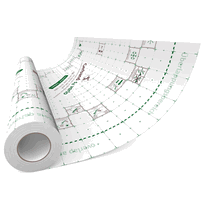
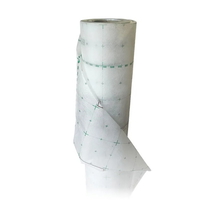
Vapour Control Layers (VCL) made from Tyvek are innovative membranes crafted from spunbond polypropylene, which is enhanced with materials that significantly improve vapour resistance. These layers play a crucial role in regulating moisture within building structures, thereby minimising the risks of mould growth and decay. Additionally, they enhance thermal insulation by effectively preventing air leaks.
Tyvek VCLs are versatile, making them suitable for application in walls, roofs, and floors. They come with certifications that attest to their compliance and durability, ensuring they meet the high standards expected in the construction industry.
By managing moisture efficiently, Tyvek VCLs contribute to the longevity of buildings and improve energy performance. They strike an effective balance between breathability and water resistance, which is essential for maintaining overall building health. This combination of properties makes Tyvek an excellent choice for those seeking to enhance the resilience and efficiency of their building projects.
Composition and Build of Tyvek Vapour Control Layers
The composition and structure of Tyvek Vapour Control Layers are engineered to deliver effective moisture management and long-lasting durability.
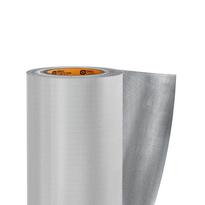
These layers are primarily constructed from spunbond polypropylene, which provides a robust and flexible base fabric. Coated with a polyolefin-copolymer layer, they enhance vapour resistance and resilience.
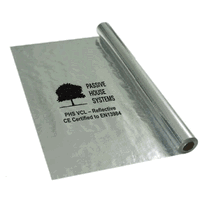
Certain variants may include a metallised reflective surface with low emissivity, which improves thermal performance. Some models incorporate smart polymers that adjust vapour permeability according to humidity levels, facilitating quicker drying of buildings.
Additionally, specialised versions contain fire-retardant additives to comply with fire safety regulations. Furthermore, the membranes are lightweight yet tough, offering excellent tensile strength and high tear resistance. Typically available in rolls that are designed for easy installation, they ensure a reliable and effective moisture barrier, making them suitable for various construction applications across the UK.
Key Properties and Performance Benefits
The key properties of Tyvek Vapour Control Layers are essential for managing moisture effectively. These layers adjust their resistance based on surrounding conditions, facilitating quick drying and preventing water ingress into the structure. Furthermore, they are designed to be highly adaptable, allowing them to respond dynamically to changing moisture levels within building elements adapts to various moisture conditions. Additionally, they enhance thermal insulation by minimising air leaks and retaining heat within the building. The performance benefits of Tyvek Vapour Control Layers include increased durability, improved energy efficiency, and robust protection against moisture-related issues. Their ability to balance moisture levels contributes significantly to the longevity and comfort of the building environment.
Moisture Management Efficiency
Moisture management efficiency is essential for ensuring the longevity of buildings and the comfort of their occupants. It effectively regulates the movement of moisture through walls, roofs, and various structural components. Tyvek AirGuard Smart provides a variable sd-value that adapts to fluctuating humidity levels, ranging from low to high resistance. This adaptability is crucial in preventing condensation, minimising trapped moisture, and reducing potential structural damage. The product's ability to dynamically adjust its vapour resistance ensures optimal moisture regulation in changing environmental conditions. Key benefits of this advanced moisture management solution include:
A wide range of vapour resistance for customised moisture control.
Enhanced drying capabilities during construction, particularly in damp conditions.
Decreased infiltration of internal humidity, safeguarding insulation and preserving structural integrity.
This dynamic approach to moisture management helps ensure that buildings remain resilient against moisture-related challenges, ultimately supporting long-term durability and energy efficiency.
Thermal Insulation Enhancement
Reflective vapour control layers can significantly enhance a building’s thermal performance by reflecting a substantial amount of radiant heat. This reduction in heat loss contributes to improved indoor comfort. These layers function by reflecting warmth back into the living space, thereby decreasing the need for heating during the colder months and limiting heat gain in the summer. High-performance membranes exhibit excellent vapour resistance, which helps prevent moisture from penetrating walls and mitigates the risk of condensation that can compromise insulation integrity. Their airtight design effectively limits air leaks, thus reducing convective heat loss. Materials such as specialised membranes are lightweight, durable, and straightforward to install, boasting properties that enhance thermal resistance. Additionally, they are resistant to UV degradation, which ensures long-term performance and durability in various environmental conditions. Overall, these layers contribute to improved energy efficiency by bolstering insulation performance and diminishing the demands for heating and cooling. This ultimately supports a more comfortable and sustainable building environment.
Suitable Applications in Building Enclosures
Building enclosures often necessitate effective vapour control to safeguard the structure and enhance energy efficiency. Tyvek® AirGuard® Smart is ideal for a range of wall systems, including masonry, timber, and steel frames, assisting in the reduction of vapour migration and condensation. This system serves as an internal membrane, preventing moisture accumulation that can compromise walls or insulation. The membrane is also advantageous in roof systems, particularly when paired with waterproofing, allowing moisture to escape indoors only. For flooring, it restricts vapour transfer from the interior, safeguarding structural components. Its flexibility makes Tyvek® AirGuard® Smart suitable for:
Wall enclosures across various building types
Roof systems for effective moisture management
Flooring in both renovation and new construction projects
This versatility ensures that building enclosures remain protected, durable, and energy-efficient. It maintains its vapour resistance while adapting to humidity levels, further improving building performance in varying weather conditions.
Installation Guidelines and Best Practices
Proper surface preparation is crucial to ensure the Tyvek membrane adheres effectively. Surfaces must be clean, dry, and free from sharp objects.
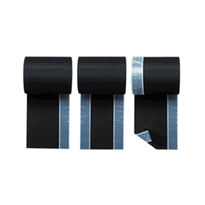
Sealing seams with appropriate tapes and sealants is vital for creating a continuous vapour barrier, which helps prevent leaks and air loss. Ensuring accurate overlap and secure fastening of the membrane enhances its performance and durability in building enclosures.
Proper Surface Preparation
Before installing a vapour control layer such as Tyvek®, it's essential to prepare the surface thoroughly. Proper surface preparation ensures the membrane adheres correctly and performs effectively.
First, clean the surface by removing dust, dirt, loose materials, and moisture. This prevents any bumps or gaps that could weaken the layer.
Second, inspect for any damages or irregularities and repair and smooth the surface to create a solid base.
Third, ensure that framing and surfaces are dry, stable, and free of sharp protrusions or debris that could puncture or damage the membrane. Additionally, identify penetrations such as pipes or wires and plan to seal these areas properly.
These steps contribute to creating a secure, airtight surface that promotes long-lasting vapour control and energy efficiency.
Seam Sealing Techniques
Seam sealing is crucial for maintaining the integrity of Tyvek vapour control layers (VCL). Effective sealing prevents air and moisture leaks, which can adversely affect building performance. Heat sealing is an option, but it can result in weak seams, particularly when fibres are compromised by melting. For stronger and more dependable seals, ultrasonic or proprietary dielectric sealing methods are recommended, as they create robust fibre-tear bonds without causing puckering or damage. Ultrasonic sealing has shown effective fiber tearing seals with Tyvek®, providing a reliable bond without damaging the material. Tyvek® FlexWrap tape provides a versatile solution for sealing penetrations such as pipes and windows. Its flexibility allows it to adapt to building movements, ensuring airtightness is preserved over time. Best practices for seam sealing include accurate measurements, ensuring surfaces are clean before application, and thoroughly sealing edges. These approaches guarantee that the VCL remains airtight, durable, and effective in regulating vapour transfer throughout the lifespan of the building.
Overlap and Fastening
Achieving an effective vapour control layer with Tyvek relies significantly on correct overlaps and fastening techniques during installation. Proper overlaps ensure that water and vapour are kept at bay, while secure fastenings maintain the integrity of the barrier.
Key practices include:
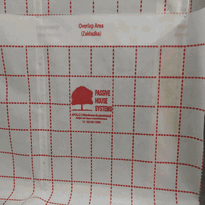
Horizontal laps should extend sufficiently to prevent water ingress, with upper sheets overlapping lower sheets in a shingle pattern to allow for effective drainage.
Vertical laps must also be designed to avoid weak points, with joints staggered for additional strength.
Fixings, such as corrosion-resistant nails or staples, should be correctly spaced to minimise unnecessary punctures.
It's essential to seal staples with battens or tape to achieve airtightness.
Following these steps will ensure a durable and continuous vapour barrier that performs effectively over time, providing peace of mind for building longevity.
Certifications and Industry Standards Compliance
Certifications and industry standards are essential in ensuring the quality, safety, and performance of Vapour Control Layers such as Tyvek. DuPont Tyvek products, including AirGuard Control and UV Facade, possess British Board of Agrément (BBA) certificates. These certificates affirm their suitability for use in air and vapour control layers, supported by independent testing and regular assessments. Customers can rely on Tyvek products to effectively resist water vapour transmission while maintaining durability throughout the construction process and during use. In Ireland, Tyvek® products are also backed by Irish Agrément Certificates, ensuring compliance with national regulations. Additionally, environmental Product Declarations (EPDs) provided by IBU offer transparent insights into the environmental impact of these products, thereby promoting sustainable building practices. Furthermore, the certifications process often includes independent testing to ensure products meet rigorous industry benchmarks for safety and performance. Fire safety is a priority, with some products featuring fire-retardant properties that comply with industry standards.
Certification Type |
Key Features |
| BBA & Agrément Certificates | Validation for building regulations, durability, and installation. |
| Environmental Declarations (EPDs) | Verified data on environmental impacts throughout the product lifecycle |
| Fire Safety Certifications | Confirmation of fire resistance and, where applicable, fire-retardant properties. |
| Irish Agrément & NSAI Certifications | Assurance of compliance with Irish standards and building regulations. |
With these certifications, customers can be confident in the performance and reliability of Tyvek products in their building projects.
Enhancing Building Efficiency With Tyvek Products
Tyvek products play a crucial role in enhancing building energy efficiency by regulating air and moisture movement through exterior walls. They create an airtight envelope that minimises drafts and heat loss, ensuring that buildings remain warm during winter and cool in summer. Made from high-density polyethylene fibers, Tyvek's unique structure enhances its durability and performance as a weather-resistant barrier. Furthermore, Tyvek permits moisture vapour to escape, preventing mould and decay, which helps maintain insulation effectiveness. The key advantages include: - Preventing air leaks and drafts, which supports improved insulation and reduces energy expenses. - Balancing water resistance with breathability, safeguarding walls from water intrusion while effectively managing indoor humidity. - Enhancing airtightness, which lessens the entry of pollutants and moisture build-up, thus improving indoor air quality. These features contribute to the durability, energy efficiency, and comfort of buildings, fostering a sense of belonging through reliable and sustainable design.
Conclusion
Tyvek vapour control layers provide dependable protection for building envelopes, assisting in moisture management and enhancing energy efficiency. Their robust construction and adherence to industry standards guarantee effective performance across various applications.
Understanding their properties and ensuring proper installation are crucial for maximising the benefits they offer. By selecting Tyvek products, builders can enhance building performance, extend the lifespan of structures, and lower energy expenses.
In summary, Tyvek vapour control layers represent a sensible choice for high-quality, efficient, and sustainable building enclosures.