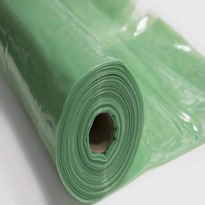
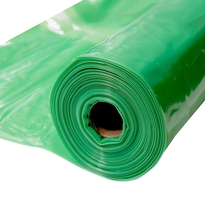
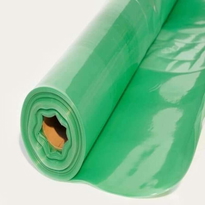
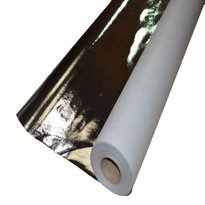
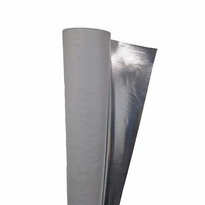
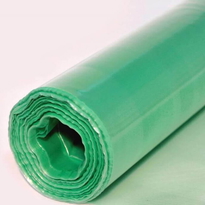
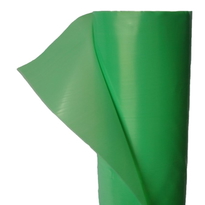
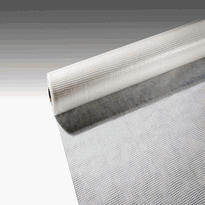
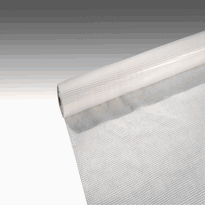
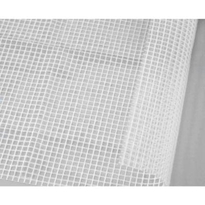
Vcl Membrane
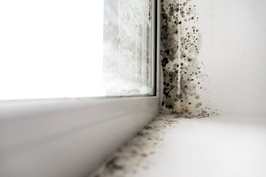
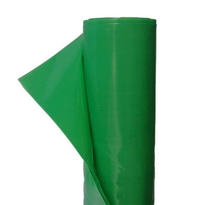
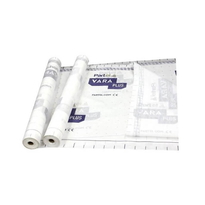
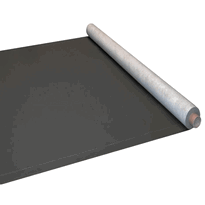
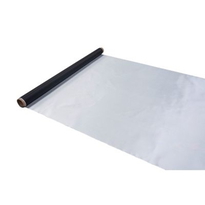
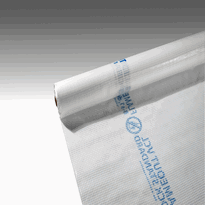
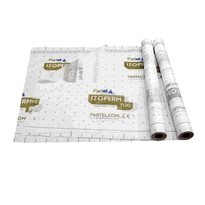
A VCL membrane is a crucial barrier installed in the walls or roofs of buildings to manage moisture movement. It effectively prevents warm, moist air from penetrating insulation, thereby minimising the risk of condensation and mould growth.
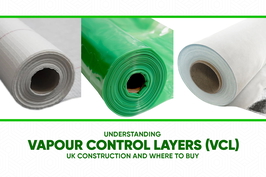
VCLs are available in various types, including fixed and breathable membranes, which are selected based on specific climatic conditions and construction requirements.
The correct installation and sealing of these membranes are vital for their effectiveness. A thorough understanding of these aspects can significantly enhance energy efficiency and the longevity of the building.
As you delve deeper into the topic, you'll uncover more insights into the role of VCL membranes in maintaining a healthy and energy-efficient indoor environment.
Understanding the Role of Vapour Control Layers in Building Envelopes
Vapour control layers (VCLs) are vital in managing moisture within building envelopes. They prevent warm, moisture-laden indoor air from infiltrating insulation, thereby reducing the risk of condensation inside walls and roofs. Positioned on the warm side of insulation, VCLs protect thermal layers and contribute to the longevity of the building. They are tested to meet safety and performance standards, ensuring reliable protection against moisture. By regulating vapour movement, VCLs also minimise the growth of mould, rot, and structural damage caused by trapped moisture. Correct installation of VCLs enhances a building’s airtightness and reduces heat loss, thereby supporting energy efficiency and compliance with building regulations. The placement of VCLs is influenced by the climate, ensuring that the barrier remains above the dew point temperature to avert condensation. This careful management is essential for maintaining a healthy, comfortable, and durable indoor environment.
Types of VCL Membranes and Their Key Characteristics
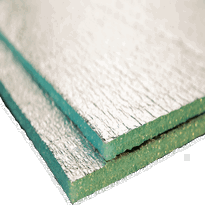
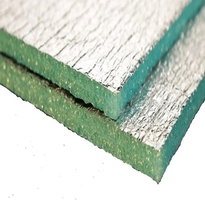
Different types of vapour control layer (VCL) membranes are designed to regulate moisture movement within building envelopes, each with distinct characteristics suited to various construction requirements. Fixed, or traditional, VCLs often utilise aluminium foil or reinforced membranes, providing high resistance to moisture. These membranes effectively prevent moisture passage, but improper installation can restrict drying. Variable, or intelligent, VCLs respond to humidity levels, allowing for drying during warmer, dry periods while blocking moisture in colder months. Polyethylene VCLs are lightweight and offer moderate vapour resistance, making for easier installation. Aluminium foil membranes are exceptionally tight, preventing any vapour transmission, which is ideal for colder climates. Reinforced membranes add strength, making them suitable for demanding projects. Different VCL membrane options also include breathable, semi-permeable products that allow some moisture exchange to assist in drying and reduce condensation risks, especially in more complex building designs.
How VCLs Help Prevent Interstitial Condensation
Interstitial condensation occurs when moist air within a building comes into contact with colder surfaces inside walls or roofs, resulting in the formation of water within the structure. A VCL is a plastic layer that restricts warm, moist air movement from inside a property. Vapour Control Layers (VCLs) play a crucial role in preventing this issue by acting as barriers that regulate the movement of moisture. They effectively limit the escape of vapour into the colder layers of walls, thereby reducing the likelihood of condensation. The high vapour resistance values of VCLs ensure a reliable seal against moisture. Proper installation, particularly on the warm side of insulation, is essential to maximise their protective capabilities. Key benefits of VCLs include: - Preventing moist air from reaching cold surfaces within walls or roofs. - Reducing moisture accumulation that can lead to mould and timber decay. - Ensuring insulation continues to perform effectively by preventing damp conditions. - Balancing moisture control with the ability to dry out, adapting to seasonal variations in humidity.
The Importance of Correct VCL Placement Within Wall and Roof Assemblies
The correct placement of Vapour Control Layers (VCLs) within wall and roof assemblies is crucial for effective moisture management and the longevity of buildings.
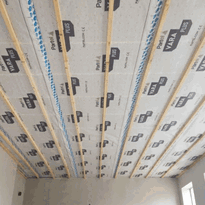
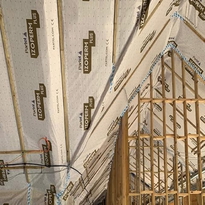
In wall constructions, the membrane should always be positioned on the warm side of the insulation. This placement is vital to prevent moisture from reaching colder surfaces, which could lead to condensation and potential damage.
For roofs, the positioning of the VCL may differ depending on the construction type. However, it's imperative that it's installed on the warm side to effectively reduce the risk of condensation forming within the roofing assembly.
Inner Wall Placement
Placing the ventilation control layer (VCL) on the inside of wall and roof assemblies is crucial for managing moisture and ensuring the building's durability. When positioned correctly, the VCL prevents warm, moist indoor air from reaching colder wall layers, thereby reducing the risk of condensation. Proper placement guarantees that the VCL seals all joints, including those at ceilings and floors, preventing gaps that could compromise moisture control. This strategic positioning also allows some vapour to escape outward, aiding the building in adapting to changing climate conditions. The VCL's placement directly influences its effectiveness in controlling interstitial condensation. - Ensures continuous, airtight seals across all joints and penetrations. - Prevents moisture accumulation within wall cavities, which can lead to mould and structural damage. - Reduces the risk of condensation by remaining on the warm side of insulation. - Promotes longer-lasting walls and healthier indoor environments by effectively managing moisture.
Roof Assembly Position
The placement of the ventilation control layer (VCL) within roof assemblies significantly influences a building's capacity to manage moisture and avert damage. Correctly positioning the VCL on the warm side of the insulation is essential to prevent condensation and water ingress, thereby safeguarding the structure. In both warm and cold pitched roofs, appropriate VCL placement diminishes the risk of interstitial condensation, which can adversely affect the building's components. In flat roofs, the VCL is generally installed between the deck and insulation, ensuring proper sealing to achieve airtightness. For optimal performance, membranes should be smooth, securely sealed at laps, and fixed adequately at regular intervals.
Roof Type |
VCL Placement |
Key Consideration |
| Pitched | Warm side | Prevents condensation |
| Flat | Above deck | Ensures airtight sealing |
| Cold Roof | Under insulation | Avoids moisture problems |
| Warm Roof | Between insulation and roof deck | Maintains vapour control |
A well-placed VCL is crucial for the longevity and durability of roof assemblies, ensuring that moisture is effectively managed and that the building remains protected from potential damage.
Selecting the Right VCL: Factors and Performance Standards
Choosing the right vapour control layer (VCL) is crucial for ensuring a building’s durability and energy efficiency. Several key factors must be considered, including fire performance, UV stability, airtightness, and vapour resistance.
Fire safety standards, such as B-s3, d0, are essential for high-risk constructions. UV stability guarantees long-term performance against sunlight exposure. Ensuring proper airtightness reduces energy loss and mitigates moisture problems, particularly in humid climate zones. Vapour resistance, indicated by Sd values, needs to be aligned with the building’s design requirements; higher values create a more effective moisture barrier. Compliance with fire classification standards is crucial for external wall membranes in high-rise or high-risk buildings.
Moreover, secure jointing and sealing are vital to prevent leaks and inhibit mould growth. Understanding these factors is important for ensuring that the VCL performs effectively, safeguarding the building and its occupants for years to come.
Fire safety standards are critical in high-risk constructions.
UV testing ensures long-term performance.
Airtightness reduces energy loss and moisture risks.
Matching Sd values to building design controls vapour penetration.
Innovations in VCL Technology: Self-Regulating Membranes
Innovations in VCL technology have resulted in the creation of self-regulating membranes that can adapt their vapour permeability according to indoor moisture levels. These intelligent layers enhance vapour resistance during cold, dry seasons, functioning as effective vapour retarders to prevent moisture accumulation within walls. Conversely, in warmer, more humid months, they decrease vapour resistance, enabling moisture to escape and facilitate drying of spaces. This dynamic capability aids in balancing indoor humidity and diminishes the risks of condensation, thereby enhancing the overall durability of buildings. Self-regulating membranes also contribute to improved insulation performance, leading to heightened thermal efficiency and energy savings. They meet EN 13984 requirements and adhere to BS 5250 guidelines, which is essential for managing condensation risks in buildings. Constructed from advanced materials such as low-permeability polymers, often combined with nano- or micro-porous layers, these membranes are suitable for a variety of building types. They introduce a new level of comfort and reliability, fostering safer and more energy-efficient living and working environments.
Common Installation Mistakes and Their Effects on Moisture Management
Proper installation of vapour control layer (VCL) membranes is essential for effective moisture management, and common errors can significantly diminish their performance.
Gaps in coverage, incorrect positioning of layers, and inadequate sealing techniques can permit moisture to infiltrate or become trapped within the structure. These mistakes may result in issues such as mould growth, decreased insulation efficacy, and long-term damage to the building. Ensuring proper alignment and avoiding overlaps that leave gaps is critical for maintaining the integrity of the VCL.
Making sure the VCL is installed with continuous and well-sealed joints is vital to preventing moisture-related problems. Attention to detail during the installation process can safeguard the integrity of the structure, enhance energy efficiency, and prolong the lifespan of building materials.
Avoiding these common pitfalls will help achieve optimal moisture control and create a healthier indoor environment.
Gaps in Membrane Coverage
Gaps in membrane coverage are a prevalent concern during the installation of Vapour Control Layers (VCLs), and these gaps can significantly undermine the building’s moisture management system.
Unsealed joints between sheets or rolls create direct pathways for vapour, allowing moisture to infiltrate wall cavities. Mechanical penetrations, such as pipes and cables, often become vulnerable points if not adequately sealed.
When the membrane fails to adhere fully to surfaces, it can lift or detach, resulting in gaps that permit vapour passage. Narrow or poorly sealed overlaps diminish efficiency, heightening the risk of moisture ingress.
Damage, such as tears or punctures incurred during installation, further compromises the barrier. These issues can lead to mould growth, structural damage, and decreased insulation performance, ultimately jeopardising both building integrity and occupant health.
Unsealed joints creating vapour pathways
Penetrations lacking proper sealing
Incomplete adhesion leading to lifting
Damaged membranes from installation errors
Main factual point Poor installation techniques can also result in inadequate tensioning of the membrane, causing slack that allows vapour diffusion.
Incorrect Layer Positioning
Installing a vapour control layer (VCL) incorrectly within an insulation assembly can jeopardise the entire moisture management system.
VCLs should be positioned on the warm side of the insulation to prevent moisture from migrating into cooler materials, where it may condense and cause significant damage. If installed on the cold side or external surface, moisture becomes trapped within the walls, leading to a risk of mould growth and decay.
It is crucial to avoid placing vapour barriers on both sides, as this creates a situation where moisture is confined between impermeable layers, resulting in what's often referred to as a "mould sandwich."
Correct placement is vital to ensure the VCL functions effectively, halting warm, moist air from reaching the dew point within the structure.
Proper positioning of the VCL is essential for the long-term durability and safety of buildings, contributing to a healthy indoor environment.
Poor Sealing Techniques
Poor sealing techniques during VCL installation can significantly compromise moisture management in a building.
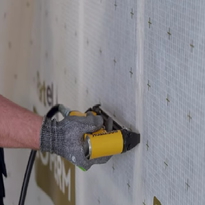
Penetrations from staples or screws create minute openings that allow air and moisture to bypass the membrane, resulting in potential leaks. It's crucial to ensure proper sealing of overlaps with specialised vapour tapes, as any gaps can permit moisture-laden air to seep through unnoticed.
When fixings penetrate the VCL, employing washers or tape can help prevent leaks. However, improper application may lead to damage. Selecting inappropriate tapes, such as duct tape instead of dedicated vapour barrier tape, diminishes the durability and integrity of the seals.
Common issues include:
Use of staples and screws without adequate sealing washers or patches
Incomplete sealing of overlaps and seams
Fixings penetrating the membrane without proper sealing measures
Utilisation of non-specialised tapes that deteriorate over time
Addressing these concerns is essential to ensure the effectiveness of the vapour control layer and maintain a dry, healthy environment within the building.
The Impact of VCL on Building Insulation Efficiency
Vapour control layers (VCLs) are essential for enhancing the efficiency of building insulation by effectively managing moisture within walls and roofs. They act as a barrier, preventing warm, moist indoor air from infiltrating the insulation, which can lead to internal condensation that adversely affects thermal performance. When insulation remains dry, it retains heat more effectively, resulting in reduced energy costs.
Ensuring proper sealing of VCL joints and penetrations is crucial for providing continuous moisture protection. The following table outlines the key impacts of VCLs on building insulation:
Impact |
Explanation |
| Improved thermal performance | Dry insulation supports high R-values, which leads to energy savings. |
| Reduced risk of mould and mildew | Prevents moisture accumulation, promoting health and durability. |
| Enhanced airtightness | Minimises air leaks, thereby reducing heat loss. |
| Lower energy consumption | Enhances heating and cooling efficiency due to superior insulation. |
| Extended lifespan of the building | Effective moisture control preserves structural integrity. |
Ensuring VCL Integrity: Best Practices and Quality Control
Maintaining the integrity of vapour control layers is essential for ensuring they effectively manage moisture. Proper quality control involves routine testing methods that identify leaks or weaknesses early, thus preventing expensive repairs later on.
Non-destructive techniques such as Bubble Point Testing, Water Intrusion Testing, Diffusion Testing, and Pressure Hold Testing are commonly employed to verify the integrity of membranes without causing damage.
Electronic Leak Detection (ELD) provides a swift and accurate means of identifying breaches, particularly in conductive membranes like EPDM. Regular testing immediately after installation, following cleaning cycles, or during routine maintenance is crucial for confirming ongoing performance.
Best practices include ensuring the membrane is adequately wetted, controlling pressure levels, and meticulously documenting results. These measures support quality assurance and foster trust among builders and property owners, highlighting the importance of a well-maintained vapour barrier.
Regulatory Requirements and Warranty Considerations for VCLs
Regulatory requirements are essential in ensuring that vapour control layers (VCLs) function effectively and safely within building envelopes. In the UK, the typical minimum thickness for polyethylene VCLs is around 125 microns, with vapour resistance values varying significantly based on the specific product and applicable regulations.
For framed constructions, the NHBC Standards stipulate a vapour resistance of approximately 250 MNs/g, coupled with stringent guidelines for fixing and lapping.
Additionally, the LABC Warranty necessitates evidence of performance that aligns with condensation risk assessments. It's crucial for VCLs to be positioned on the warm side of insulation in both pitched and flat roofs to maintain warranty eligibility.
Fire safety regulations require that external wall membranes in taller buildings achieve at least European Class B-s3, d0, with many products exceeding these classifications.
Adhering to these compliance standards not only ensures long-term performance of buildings but also provides peace of mind for all stakeholders involved.
Conclusion
Vapour control layers (VCLs) are vital components in building systems, serving to prevent moisture accumulation and safeguard insulation. The appropriate selection, placement, and installation of VCLs are crucial for their effective performance, significantly reducing the risk of condensation and mould growth. Adhering to established standards and diligently checking for installation errors are essential to maintaining the integrity and performance of the VCL.
When utilised correctly, vapour control layers enhance energy efficiency and prolong the lifespan of building elements. A meticulous and precise application is fundamental to maximising their benefits and ensuring that buildings are effectively managed for moisture.
In summary, proper attention to VCLs not only contributes to a healthier indoor environment but also supports the overall durability of the construction.