Vcl Vapour Control Layer
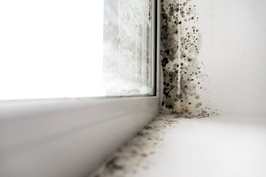
A vapour control layer (VCL) is a material installed on the warm side of a building's insulation to prevent moisture from permeating through walls, roofs, and floors. It plays a crucial role in stopping warm, moist air from reaching cooler surfaces, which can lead to condensation, mould growth, and structural damage.
When properly selected and installed, VCLs enhance energy efficiency and contribute to the longevity of a building. Understanding how to choose, position, and maintain these essential moisture barriers is vital for effective performance.
The right vapour control layer can significantly improve indoor air quality and comfort, making it an indispensable element in modern construction practices. Careful consideration of the materials and installation techniques will ensure that your VCL functions effectively, safeguarding your property against potential moisture-related issues.
What Is a Vapour Control Layer and How Does It Work?
A Vapour Control Layer (VCL) is an essential element of a building’s insulation system that effectively manages moisture movement within walls, roofs, and floors. This thin membrane, typically constructed from flexible materials such as plastic, is installed on the warm side of the building envelope. The primary function of the VCL is to impede the transfer of warm, moist air from the interior of the building into the cooler areas of the structure. By doing so, it plays a vital role in preventing moisture from condensing within walls, roofs, or floors, which can lead to issues such as mould, dampness, and structural damage. While the VCL doesn't create a complete barrier, it does allow for some moisture to permeate, striking a balance between breathability and protection. Proper installation of a Vapour Control Layer is crucial as it significantly enhances insulation performance, contributing to healthier, more durable buildings. Compliance with standards ensures the VCL remains effective and reliable over time.
The Role of VCL in Building Moisture Management
Vapour Control Layers (VCLs) play a crucial role in managing moisture within buildings by preventing warm, moist indoor air from reaching cooler surfaces. This effectively reduces the risk of condensation issues, which can lead to problems such as mould growth and material deterioration. A VCL acts as a barrier that maintains the internal building environment by controlling moisture movement. By mitigating these risks, VCLs help to ensure that the building remains both durable and healthy. The appropriate use of VCLs supports the overall integrity of the building envelope, which is essential for maintaining long-term performance. A well-implemented vapour control strategy contributes significantly to a building’s energy efficiency and comfort levels, creating a more pleasant living or working environment.
Moisture Control Fundamentals
Controlling moisture movement within a building is essential to prevent damage and ensure a healthy indoor environment. The vapour control layer (VCL) plays a key role in this process. VCLs manage moisture vapour migrating from warm, moist interior spaces outward through building assemblies. Proper placement of the VCL is critical to prevent vapour from reaching condensation points, where it could lead to mould growth or structural damage. The permeability of the VCL must be tailored to the specific climate and materials used, ensuring that moisture can escape when necessary. Additionally, VCLs help reduce air leakage, which can introduce moisture into wall cavities. When used in conjunction with external breather membranes, VCLs help create a moisture gradient that encourages vapour to move outward, facilitating the escape of trapped moisture. The effectiveness of a VCL depends on correct installation techniques and continuous quality control during construction to maintain its performance.
Preventing Condensation Risks
Moisture within building assemblies can lead to significant issues if not effectively managed, particularly in regions where warm, humid air encounters cooler surfaces. A Vapour Control Layer (VCL) is essential in this context, as it restricts the movement of moist air into cooler cavities, thereby reducing the risk of condensation. Typically positioned on the warm side of insulation, the VCL acts as a barrier, preventing vapour from reaching cold surfaces. This is crucial in averting interstitial condensation, which can result in mould growth, decay, and structural damage. Proper placement of the VCL is vital to its effectiveness and depends on the specific building design and climate conditions. The advantages of installing a VCL include:
Minimising mould proliferation and safeguarding building materials.
Ensuring insulation remains dry, thereby preserving its thermal efficiency.
Preventing moisture accumulation that can lead to rot and biological growth.
Enhancing energy efficiency by reducing heat loss and lowering utility expenses.
Collectively, these benefits contribute to a healthier, more durable building environment.
Building Envelope Integrity
A building's durability significantly depends on maintaining the integrity of its envelope, which serves as a barrier against external elements and internal moisture.
The vapour control layer (VCL) is crucial as it limits the movement of water vapour within the building's walls and roof. When correctly positioned on the warm side of insulation, the VCL prevents moisture from reaching cooler surfaces where it could condense, thus minimising risks such as mould and decay. The VCL's effectiveness relies on proper installation and an understanding of vapour pressure differentials. Proper placement of the VCL must take into account the climate, as hot, humid regions and cold areas exhibit different vapour flow patterns.
An effective VCL works in conjunction with other control layers—water, air, and thermal—to create a cohesive system that safeguards the structure.
When these elements are integrated effectively, the envelope remains robust, dry, and durable, ensuring the safety and comfort of occupants.
Key Materials Used for VCL Installation
The key materials used for VCL installation primarily include polyethylene films, sealing tapes, and various reinforcing components.
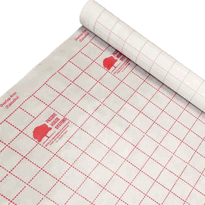
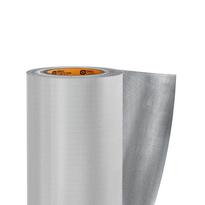
Polyethylene sheets are typically used as a cost-effective and reliable vapour barrier. These sheets often come in standard sizes and require overlaps that are sealed with specialised tapes to prevent vapour passage.
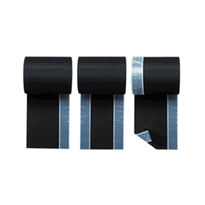
Sealing materials such as foil, butyl, or manufacturer-specific tapes are essential for ensuring airtight bonds at overlaps and around penetrations like pipes or cables.
Reinforcing elements, such as additional layers or metal linings, are employed in demanding environments to enhance the system's strength.
The proper selection and application of these materials are crucial for maintaining building integrity and preventing moisture issues over time, especially considering the Sd value of the vapour control layer is a key factor in ensuring optimal performance.
Proper Placement of VCL in Building Constructions
Proper placement of the vapour control layer (VCL) is crucial for effectively managing moisture within building constructions. It should be installed on the warm side of the insulation and meticulously sealed at seams and edges to avert any potential leaks.
Ensuring that all joints are sealed and maintaining a continuous layer of the VCL is vital. This practice not only protects the building from moisture-related issues but also enhances its overall durability and longevity.
Attention to detail in the installation of the VCL will significantly contribute to a healthier indoor environment and the structural integrity of the building.
Correct Layer Positioning
Correct placement of Vapour Control Layers (VCLs) is essential for effective moisture management in building construction. VCLs should be installed on the warm side of insulation to prevent warm, moist indoor air from reaching the dew point and causing condensation. Proper positioning reduces the risk of interstitial condensation and protects structural materials. Incorrect placement can lead to moisture buildup and structural damage over time, emphasizing the importance of correct installation techniques.
VCLs should be placed on or close to the interior face of insulation within wall cavities or framed structures.
In pitched roofs, they must be situated on the warm side of the insulation, regardless of whether it's a warm or cold roof setup.
For flat roofs, the VCL is positioned above the structural deck in warm deck designs.
In floor slabs, they're placed between insulation and screed or slab to prevent moisture from rising into the building fabric.
Seam and Edge Sealing
Ensuring that seams and edges of the Vapour Control Layer (VCL) are properly sealed is vital for maintaining an effective vapour barrier in building constructions.
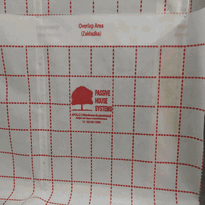
Seams should overlap adequately both horizontally and vertically and should be secured with vapour-resistant tapes that are sufficiently wide. Double-sided butyl vapour tapes are recommended for enhanced adhesion, while standard duct tapes are unsuitable for this purpose.
Joints should be positioned over structural framing, such as studs, to provide strong support.
The edges of the VCL must extend beyond the framing by a suitable length and be sealed tightly using specialised tapes designed for corners and junctions.
It's crucial to seal around windows, doors, and any penetrations with the appropriate tapes to prevent vapour leaks and ensure a continuous and effective barrier. Proper sealing techniques help maintain the VCL integrity, preventing moisture ingress that could compromise insulation and structural stability.
Standards and Regulations Governing VCL Performance
Building codes and industry standards establish specific requirements for the performance of Vapour Control Layers (VCLs) to prevent moisture-related issues in buildings. These regulations dictate the appropriate installation practices based on the climate zone and type of construction. For instance, the International Residential Code stipulates the use of vapour retarders in colder regions, categorising them by permeability levels. Proper installation of VCLs is crucial, which includes sealing seams and employing compatible materials to enhance their effectiveness. Standards also outline minimum requirements regarding durability, thickness, and certification for VCL materials. These guidelines are essential in safeguarding against mould, structural deterioration, and energy inefficiency. Manufacturers must also adhere to testing standards that ensure VCLs perform reliably under various environmental conditions. Key requirements for VCLs include limitations on permeability for various classes. The correct placement is typically on the warm side of insulation within framed walls. Regular inspection and maintenance are advisable to ensure continued performance. Furthermore, using certified products validated by third-party organisations is highly recommended for optimal results.
Benefits of Using a VCL in Your Building Design
Employing a Vapour Control Layer (VCL) in building design presents considerable advantages for energy efficiency and structural integrity.
It plays a vital role in preventing moisture accumulation, which can compromise insulation and other materials over time. By regulating vapour movement, a VCL contributes to a more robust and cost-effective building system, ensuring longevity and performance.
Integrating a VCL into your design not only enhances the energy efficiency of the building but also safeguards against potential damage caused by excessive moisture.
This proactive approach helps in maintaining a healthy indoor environment while reducing the risk of mould growth and structural deterioration.
Enhanced Energy Efficiency
Vapour Control Layers (VCLs) are essential for enhancing a building’s energy efficiency. They effectively manage moisture vapour movement, ensuring that insulation remains dry. This preservation of thermal resistance helps to prevent heat loss.
When insulation stays dry, it retains its high R-values, which reduces the burden on heating and cooling systems. Furthermore, the correct installation of VCLs can minimise long-term degradation of insulation, contributing to ongoing energy savings.
The key benefits of VCLs include:
Enhancing airtightness and preventing uncontrolled air leaks
Reducing heat transfer caused by drafts
Lowering energy bills for heating and cooling
Prolonging the lifespan of insulation and structural components
Incorporating VCLs in building design is a prudent strategy for anyone looking to improve energy efficiency and reduce overall costs.
Structural Moisture Protection
Properly managing moisture within a building is essential for preventing structural damage and extending its lifespan. Vapour Control Layers (VCLs) play a vital role in this process by inhibiting the passage of water vapour through walls and roofs. By preventing condensation within the building fabric, VCLs help to combat dampness, mould growth, and material decay.
Excess moisture within walls can weaken timber frames, cause metal components to corrode, and lead to rot that compromises safety. A well-installed VCL ensures that insulation remains dry, thereby enhancing its effectiveness over time.
Furthermore, VCLs contribute to compliance with building regulations, which helps mitigate the risks of costly repairs and damage claims. These layers are flexible and can be adapted for various climates and building types, providing reliable long-term protection for both modern and heritage structures.
Common Challenges and Mistakes in VCL Installation
Installing a vapour control layer (VCL) correctly is essential for maintaining a building’s moisture balance, yet numerous common mistakes can undermine its effectiveness.
One prevalent issue is positioning the VCL incorrectly, which can lead to premature failure and moisture-related problems. It's crucial to place the VCL on the warm side of insulation to prevent condensation. Ignoring climatic conditions and failing to adhere to appropriate standards can result in ineffective installation.
Other common errors include confusing air leakage with vapour diffusion, which can lead to insufficient sealing, and selecting incompatible materials that may trap moisture.
Moreover, retrofitting existing buildings often poses challenges, such as damaged finishes or incomplete coverage, which can diminish the performance of the VCL.
Proper knowledge and attention to detail are vital in steering clear of these frequent pitfalls.
The Impact of VCL on Energy Efficiency and Building Longevity
Moisture control provided by Vapour Control Layers (VCLs) plays a crucial role in enhancing a building’s energy efficiency and longevity. By effectively managing moisture ingress, VCLs significantly reduce energy consumption, ensuring insulation remains effective and minimising heat loss. They also limit air leaks, which are major contributors to heating and cooling expenses.
Advanced VCLs with adjustable permeability enhance performance throughout the seasons. This effective moisture management helps prevent issues such as mould, wood rot, and structural damage, thereby extending the lifespan of a building. Additionally, proper installation of VCLs contributes to improved indoor air quality by curbing mould growth.
Regulatory standards increasingly mandate the use of VCLs to meet both energy efficiency and health requirements, making them indispensable for sustainable and durable buildings.
Benefit |
Key Point |
Impact on Building |
| Energy Efficiency | Reduce heat loss and air leaks | Lower energy bills, greener footprint |
| Building Durability | Prevent moisture-related damage | Longer lifespan, less maintenance |
| Indoor Comfort | Control humidity and mould growth | Improved occupant well-being |
Innovative Types of Vapour Control Layers
Innovative vapour control layers (VCLs) are revolutionising the way buildings manage moisture and enhance performance.
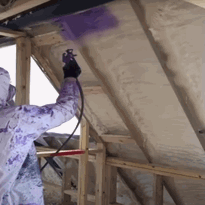
Factory-applied VCLs, such as Arctek® Dryshell™, are bonded directly to timber panels, ensuring consistent quality, reducing on-site errors, and eliminating gaps. These layers expedite installation and diminish the risk of damage caused by adverse weather conditions.
Plastic-based options, like polyethylene sheets, provide an economical and straightforward solution; however, they can be prone to tearing if not handled with care.
Fixed diffusion membranes offer reliable vapour resistance suitable for a variety of applications, while variable diffusion membranes adjust to seasonal changes, effectively regulating moisture throughout the year.
Smart membranes take functionality a step further by modulating their permeability based on humidity levels, helping to prevent mould and condensation.
This promotes a healthier and more efficient building environment, making these innovative solutions essential for modern construction practices in the UK.
Choosing the Right VCL for Different Building Applications
Choosing the right vapour control layer (VCL) is essential for addressing the specific requirements of a building and its surrounding environment.
In residential properties, polyethylene sheets are commonly utilised due to their affordability and effectiveness in moisture management.
For commercial structures, which often face higher levels of moisture, high-performance vapour control membranes are necessary to provide enhanced protection.
In areas with elevated humidity, such as swimming pools or industrial sites, robust membranes with superior vapour resistance are crucial in preventing damp-related issues.
Timber constructions benefit from flexible VCLs that strike a balance between vapour permeability and condensation control.
In the case of warm flat roofs using rigid foam insulation, low diffusion membranes or vapour barriers are vital to mitigate the risk of interstitial condensation.
When selecting a suitable VCL, it's important to consider factors such as vapour permeability, Sd-values, and the interaction of the membrane with other building materials.
This ensures not only durability but also long-lasting performance in the building’s overall structure.
Conclusion
A vapour control layer (VCL) is vital for managing moisture in buildings, playing a crucial role in preventing damage and enhancing energy efficiency. The correct installation and selection of materials are essential to ensure the VCL operates effectively, minimising risks such as mould growth and structural problems.
Adhering to building standards and avoiding common pitfalls are fundamental to maximising the benefits of a VCL. When appropriately chosen for specific applications, a vapour control layer significantly contributes to the longevity, safety, and energy efficiency of buildings, marking it as an indispensable element of modern construction practices.
Incorporating a well-designed VCL not only safeguards the structural integrity of a building but also promotes healthier indoor environments, making it a key consideration for anyone involved in construction and renovation projects in the UK.