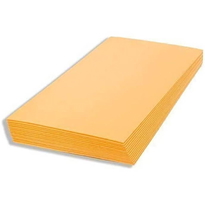
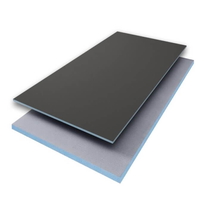
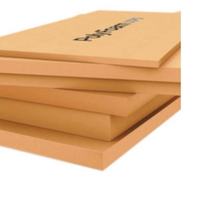
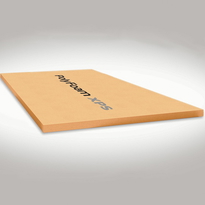
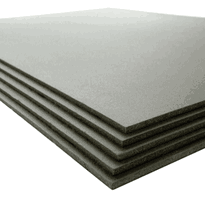
Xps Foam Underlay
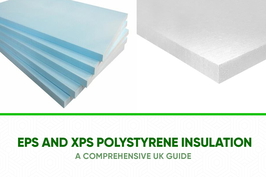
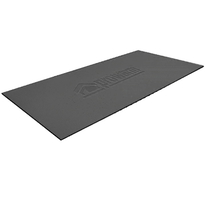
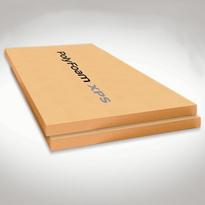
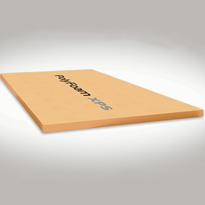
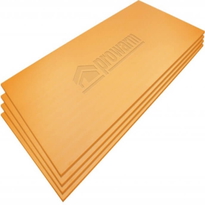
XPS foam underlay, crafted from extruded polystyrene, is a lightweight and durable material designed to enhance insulation and safeguard floors. Its closed-cell structure effectively resists water, mould, and moisture damage while offering superb thermal efficiency. This underlay can support substantial loads and maintains stability under varying temperatures, making it ideal for a wide range of flooring types.
Proper installation is essential to ensure that you reap the maximum benefits and long-term performance from this versatile underlay. By improving floor comfort and durability, XPS foam underlay plays a crucial role in creating a more pleasant living environment.
As we delve deeper into its advantages, you'll discover how this innovative product can transform your flooring experience in the UK.
Composition and Material Properties of XPS Foam Underlay
XPS foam underlay is crafted from extruded polystyrene, a fully recyclable type of foamed plastic. It boasts a dense matrix of tiny closed cells, which provide significant physical and mechanical stability.
This unique structure prevents water absorption and effectively inhibits the growth of mould, fungi, and moisture damage, ensuring durability even in damp conditions.
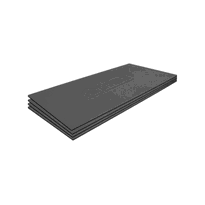
The material is notably lightweight, facilitating easier handling and installation, particularly for larger flooring projects. Typically, it's around 5 mm thick, offering robust support with high compressive strength, enabling it to endure substantial loads without deformation.
Its low thermal conductivity enhances insulation properties, while the closed-cell design offers excellent protection against moisture and biological growth.
Thermal and Energy Efficiency Benefits
XPS foam underlay offers exceptional heat retention, ensuring that floors maintain a warm feel while significantly reducing the need for excessive heating. Its efficient insulation properties contribute to lower energy bills over time by minimising heat loss. This material enhances energy efficiency and comfort in both residential and commercial environments, making it an ideal choice for those looking to improve thermal performance. XPS foam is highly resistant to moisture and does not deteriorate over time, which helps maintain its insulation properties and contributes to the durability of the flooring. By incorporating XPS foam underlay, homeowners and businesses alike can enjoy a more sustainable and cost-effective solution to their heating needs. This not only aids in creating a more comfortable atmosphere but also supports a greener approach to energy consumption.
Superior Heat Retention
Due to its unique material properties, extruded polystyrene foam offers outstanding heat retention when utilised as an underlay. Its closed-cell structure effectively minimises heat transfer, ensuring warmth remains inside the room. The low thermal conductivity significantly reduces heat loss, contributing to a more comfortable living environment. Additionally, the foam reflects heat back into the space, enhancing its insulating capabilities.
Resistant to moisture, this material preserves its insulating qualities over time, guaranteeing reliable performance. Its compatibility with underfloor heating systems makes it an excellent choice for maintaining warm floors without excessive energy consumption.
Feature |
Benefit |
Impact |
| Closed-cell structure | Enhanced heat retention | Keeps rooms warmer for longer |
| Thermal conductivity | Reduces heat loss | Boosts energy efficiency |
| Heat reflection | Minimises heat wastage | Lowers heating costs |
Cost-Effective Insulation
Using extruded polystyrene foam underlay can deliver substantial cost savings through enhanced energy efficiency.
Its high thermal resistance means that less energy is required to heat buildings, resulting in lower utility bills. The durable and stable material retains its insulating properties over time, preventing compression and subsequent heat loss. Certain XPS underlays possess reflective characteristics that redirect warmth back into rooms, particularly beneficial when used with underfloor heating, further amplifying savings.
Additionally, its moisture resistance and capacity to bear heavy loads contribute to its long-term value, minimising repair costs and the need for replacements. XPS’s moisture resistance helps maintain thermal performance and prevents mold growth, boosting the longevity of the insulation.
The installation process is straightforward, as the lightweight material is easy to cut, which can help reduce labour expenses.
Moisture and Damp Protection Capabilities
A key advantage of XPS foam underlay is its exceptional ability to deliver moisture and damp protection. Its closed-cell structure effectively prevents water absorption, ensuring that the material remains dry even in damp environments such as basements or kitchens.
The low water absorption rate aids in resisting mould, mildew, and decay, thereby safeguarding both the flooring and the quality of indoor air.
Moreover, XPS serves as a physical barrier that obstructs moisture from passing through the subfloor, making it particularly suitable for areas that experience high humidity. Manufactured using extrusion and thermoforming technology, which enhances the foam’s density and stability, further improves its moisture resistance capabilities.
To enhance damp protection, installers can employ overlapping edges, foil facings, and taping techniques to create continuous vapour barriers.
Resistant to alkaline substances, XPS maintains its effectiveness even when covered with cement or adhesives, offering reliable moisture defence over time.
This makes it a preferred choice for those seeking to protect their interiors from the adverse effects of moisture.
Mechanical Strength and Durability Features
XPS foam underlay offers robust support due to its high load-bearing capacity and resistance to deformation under significant weights. Its closed-cell structure ensures resilience against fluctuations in temperature and moisture, preserving its strength over time. Moreover, its durability is enhanced by its resistance to chemicals and environmental stressors, guaranteeing long-lasting performance in various flooring applications. This specialised underlay system is ideal for those seeking a reliable solution that combines comfort with structural integrity. Its ability to withstand heavy foot traffic and resist wear makes it a popular choice for both residential and commercial spaces. High compression strength also contributes to maintaining optimal performance even in demanding environments, further reinforcing its suitability for diverse flooring needs.
Load-Bearing Capacity
The load-bearing capacity of XPS foam underlay is primarily determined by its compressive strength, which indicates how much weight the material can support without deforming or failing. Higher psi ratings reflect greater durability and the ability to accommodate heavy loads. PSI ratings, such as 25 or 40, provide a clear metric for assessing the suitability of the foam for specific applications. For instance, Type V foam is capable of supporting substantial weights, making it suitable for demanding applications such as industrial slabs and parking decks. - Supports heavy loads from foundations, machinery, and concrete floors - Maintains strength under repeated or cyclic loading - Distributes weight evenly, minimising stress points and potential damage - Resistant to moisture, mould, and environmental wear, ensuring long-term stability
These attributes make XPS foam underlays a reliable choice for projects that require robust and enduring support in challenging environments.
Resistance to Deformation
Minimal creep deformation under long-term loads indicates that XPS foam effectively resists gradual shape change when subjected to continuous pressure. This stability is substantiated by comprehensive testing, demonstrating minimal compressive creep. Even after undergoing freeze-thaw cycles, the foam's strength remains stable or may slightly improve, showcasing its durability against environmental stressors. In practical applications, such as parking decks, the foam exhibits resilience over extended periods, with deformation under foundation loads limited to a fraction of its thickness. Its high compressive strength enables it to support substantial loads without significant alteration.
While the stiffness of the surrounding soil can influence the overall performance, XPS foam consistently maintains its structural integrity and resists wear over time. Below is a concise comparison of key features:
Feature |
Specification |
Result |
| Creep Resistance | Complies with industry standards | Minimal deformation under sustained load |
| Freeze-Thaw Stability | Remains stable or improves post-cycling | Strong durability against environmental changes |
| Long-term Support | Endures in humid environments | Maintains strength and shape over time |
This performance highlights the advantages of using XPS foam in construction and insulation applications, ensuring long-lasting reliability and effectiveness.
Chemical and Environmental Resilience
Thanks to its engineered design, XPS foam underlay offers robust resistance to a variety of chemicals and environmental factors that can impact durability.
It's resistant to both organic and inorganic acids, helping it remain stable in chemically aggressive settings. Additionally, it effectively withstands alkalis such as cement and plaster, which are commonly encountered in construction, ensuring its integrity is maintained.
However, it's important to note that XPS foam is susceptible to organic solvents, which can gradually degrade the material over time.
On the positive side, it demonstrates stability against gases like methane, preventing damage that could arise from ground gases.
Owing to its closed-cell structure, the foam exhibits low water absorption, which significantly limits chemical penetration through moisture.
This enhancement in moisture resistance not only prevents mould growth but also safeguards the structural integrity and indoor air quality of buildings.
Acoustic Insulation Performance
XPS foam underlay offers remarkable acoustic insulation performance by effectively reducing both impact and airborne noise. It can achieve significant impact sound insulation, helping to lessen disturbances from footsteps or objects dropped on the floor. This underlay minimises sound transmission between rooms, fostering a quieter environment, particularly under wood or laminate flooring. Its closed-cell structure enhances sound dampening capabilities compared to traditional materials, with results verified by accredited laboratories. The fine closed cells within the material absorb sound efficiently, while its high compressive strength ensures consistent insulation over time. Furthermore, XPS foam's resistance to moisture prevents degradation, thereby preserving its acoustic properties. The high moisture resistance of XPS foam underlay ensures that its acoustic insulation qualities remain effective even in damp or humid environments.
Installation Processes and Practical Tips
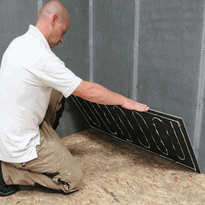
Proper installation of XPS foam underlay begins with meticulous surface preparation.
It's essential to ensure that the subfloor is clean, level, and dry. Carefully cutting and fitting the foam panels allows for a snug fit around obstacles, while sealing joints with appropriate tape helps to prevent movement and gaps.
Adhering to these steps contributes to a stable and durable underlay, which enhances the overall performance of the flooring.
When selecting materials, consider high-quality XPS foam that provides excellent insulation and moisture resistance. This choice not only improves comfort but also contributes to energy efficiency in your home.
Surface Preparation
Before installing XPS foam underlay, it's essential to prepare the surface correctly to ensure a smooth and durable finish. Proper surface preparation involves several key steps to promote adhesion and stability.
First, the surface must be thoroughly cleaned to remove all debris and dust. This is crucial for the adhesive to bond effectively. Using a vacuum or a damp cloth can help achieve a dust-free surface. Next, assess the subfloor for levelness and stability, correcting any uneven areas that could lead to issues later on. If necessary, applying a primer can enhance adhesion between the foam and the substrate. The subfloor's stability is vital to prevent gaps or shifting over time, which could compromise the insulation's effectiveness. Additionally, it's important to control moisture levels to prevent damage to both the underlay and the flooring above. Monitoring moisture levels regularly can help prevent future problems.
Clean the surface meticulously to eliminate dirt and dust
Ensure the subfloor is stable, level, and devoid of major deviations
Utilise primer where required for improved adhesion
Monitor moisture levels and address any concerns
Cutting and Fitting
Cutting and fitting XPS foam underlay requires careful attention to tools and techniques to achieve precise, clean results. Sharp utility knives or hot wire foam cutters are recommended for smooth edges. Hot wire cutters are faster and provide sealed edges but must be used in well-ventilated areas due to heat and fumes.
For thinner foam, a long blade utility knife works effectively by scoring multiple passes before breaking the foam along the line. Jigsaws fitted with foam-specific blades offer clean cuts for thicker boards. It's important to cut slowly with steady pressure to prevent jagged edges.
Always use protective gear, such as goggles and masks, and ensure work surfaces are stable. Cutting slightly oversized and trimming later helps achieve a perfect fit and minimises gaps. Using the Wrong Tools for Cutting can cause rough edges and damage the foam, making the proper selection of tools essential for a successful installation.
Sealing and Joints
Sealing joints properly is essential for maximising the effectiveness of XPS foam underlay installations.
Correct sealing prevents air leaks, moisture intrusion, and thermal bridging, ensuring improved insulation performance.
Use butyl flashing tape, pressing firmly to bond tightly along edges and create a moisture barrier.
Apply polyurethane expanding foam carefully to fill gaps without exerting excessive pressure, and then trim once cured.
For foil-faced boards, aluminium foil tape ensures an airtight, vapour-tight seal when applied smoothly on clean, dry surfaces.
Gasket tape, placed between the foam and framing, compresses to form a durable airtight seal, preventing drafts and moisture entry.
Proper surface preparation, controlled application, and consistent overlaps are key to a durable, effective sealed installation that benefits everyone sharing the space.
Suitable Flooring Types for XPS Underlay
XPS foam underlay is predominantly utilised with floating laminate flooring due to its exceptional cushioning and straightforward installation process.
It provides effective sound insulation, which is particularly advantageous in versions that incorporate IXPE foam layers. This underlay functions as a moisture barrier, safeguarding the laminate from potential damp damage.
Typically, the thickness of XPS foam underlay ranges from 2.2mm to 5mm, ensuring it supports the floor’s click-joint system while maintaining stability.
For optimal results, it's crucial to install the underlay diagonally and to avoid aligning joints with the laminate boards. This approach helps preserve the integrity of the flooring.
Environmental Impact and Recycling Aspects
The production of XPS foam underlay has significant environmental implications, primarily due to the emission of greenhouse gases such as hydrofluorocarbons (HFCs) during the manufacturing process. These gases play a considerable role in global warming.
As XPS is derived from petroleum-based materials, it also presents a substantial non-renewable resource footprint. Furthermore, XPS is non-biodegradable and can persist in landfills for centuries. In comparison to EPS insulation, XPS has a significantly greater potential to deplete the ozone layer and exacerbate climate change.
Recycling XPS foam poses challenges due to its closed-cell structure, which complicates mechanical recycling, and only a limited number of facilities are equipped to handle it. Additionally, contamination from adhesives can further complicate the disposal process.
Despite these hurdles, some XPS products incorporate recycled content, aligning with the goals of a circular economy.
Understanding the environmental impact and recycling aspects of XPS foam is crucial for consumers and manufacturers alike, as the push for more sustainable building materials continues to grow.
Common Applications in Residential and Commercial Spaces
In both residential and commercial environments, XPS foam underlay is widely utilised for its durability and versatility. This material provides a stable, moisture-resistant base suitable for various flooring types, including laminate, engineered wood, and vinyl. It also supports tile installations by offering an even surface that helps prevent cracking.
XPS foam underlay enhances thermal insulation, contributing to comfortable indoor conditions while helping to reduce energy expenses. Its high compressive strength makes it ideal for areas with heavy foot traffic and for use with underfloor heating systems.
Additionally, XPS foam is frequently installed beneath concrete slabs to minimise heat loss and improve energy efficiency.
The moisture-resistant properties of XPS foam make it particularly effective in humid areas such as kitchens, bathrooms, basements, and crawl spaces. This helps to prevent mould and water damage, thereby prolonging the lifespan of flooring systems.
Maintaining and Caring for Your XPS Foam Underlay
Proper maintenance of XPS foam underlay is essential for ensuring its performance and longevity. Regular inspections can help prevent issues that may compromise insulation and stability.
To care for your underlay effectively, consider the following guidelines:
Keep the subfloor clean, dry, and free of cracks or tension.
Maintain an expansion gap around edges and pipes to allow for movement.
Ensure joints are sealed with wide tape to block moisture and maintain the barrier's integrity.
Handle the foam with care during cutting, using sharp tools and smoothing any rough edges afterwards.
It is advisable to avoid exposing the underlay to excessive weight or moisture, and to periodically inspect for signs of damage.
Practising proper storage and disposal methods in an environmentally conscious manner supports a safer ecosystem.
With diligent care, XPS foam underlay can remain effective and durable for many years.
Conclusion
XPS foam underlay provides exceptional insulation, moisture resistance, and durability, making it an ideal choice for various flooring applications. Its mechanical strength ensures suitability for both residential and commercial environments. Furthermore, the environmental considerations associated with XPS can be effectively managed through proper recycling practices.
By familiarising oneself with its properties and appropriate uses, consumers can guarantee long-lasting performance and reliable protection for their flooring systems. Maintenance is straightforward, which aids in prolonging the lifespan of the underlay.
In summary, XPS foam underlay represents a practical and dependable solution for enhancing flooring systems across the UK, ensuring comfort and efficiency in any space.