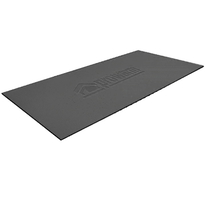
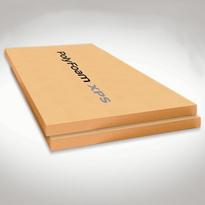
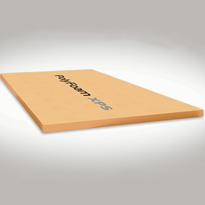
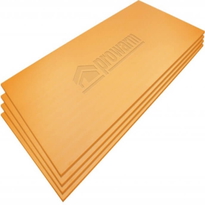
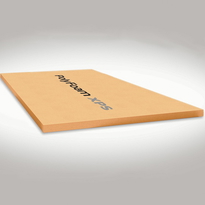
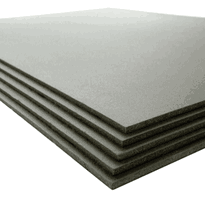
Xps Foam Underlay Board
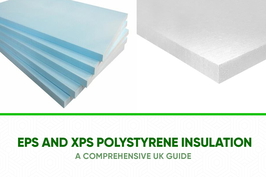
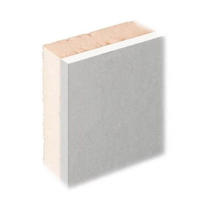
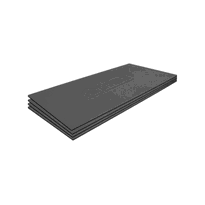
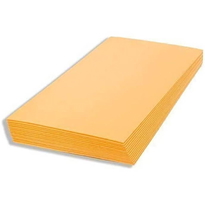
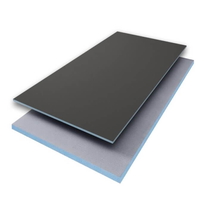
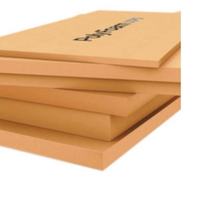
XPS foam underlay boards are lightweight and durable panels crafted from extruded polystyrene foam, specifically designed to enhance floor insulation and stability. These boards are manufactured through a continuous extrusion process, resulting in a uniform, closed-cell structure that effectively resists moisture and offers high compressive strength.
By retaining heat, these underlay boards help to reduce energy costs and act as efficient sound barriers. Their versatility ensures easy installation under various flooring types, which contributes to long-term performance.
As we delve deeper, we will explore how these features can benefit a range of flooring projects, providing a solid foundation for both residential and commercial spaces.
Composition and Manufacturing of XPS Foam Underlay
XPS foam underlay boards are primarily composed of extruded polystyrene, a synthetic material derived from petroleum by-products such as benzene and ethylene.
This polymer serves as the core of the boards, which are produced through a continuous extrusion process.
During manufacturing, molten polystyrene is forced through a die to create uniform sheets featuring a closed-cell foam structure, which contains a significant amount of air encased in solid plastic.
The cells are finely structured and completely enclosed by polystyrene walls, ensuring consistent physical properties throughout the boards.
Some variants may include metalised foil or vapour barriers to enhance protection.
The extrusion process yields lightweight yet durable boards that possess high compressive strength and excellent moisture resistance.
Made from recyclable, non-organic components, these boards are designed for enduring performance, making them an ideal choice for various applications in the UK construction market.
Thermal Insulation and Energy Efficiency Benefits
The properties of XPS foam underlay boards make them exceptionally effective for thermal insulation and enhancing energy efficiency in buildings. With a high thermal resistance and a closed-cell structure, XPS helps to retain indoor warmth by minimising heat transfer. This is particularly advantageous over cold surfaces such as concrete, where it optimises the performance of underfloor heating systems. Moreover, XPS is resistant to moisture absorption, ensuring that insulation performance remains intact even in damp conditions, which helps to mitigate energy losses. As a result, it contributes to lower energy bills by reducing heat loss through floors and alleviating the strain on heating systems.
Benefit |
Explanation |
| High thermal resistance | Retains warmth indoors, reducing the need for heating |
| Moisture resistance | Prevents degradation of insulation due to moisture |
| Energy cost reduction | Lowers expenses through improved heat retention |
| Enhanced indoor comfort | Provides warmer floors and minimises drafts |
| Long-term efficiency | Sustains performance over time |
Mechanical Strength and Durability Under Flooring
In under flooring applications, materials must provide robust support and durability to endure everyday use and environmental stresses.
XPS foam underlay boards are engineered with high compressive strength, making them ideal for high-traffic areas such as concrete slabs or busy floors. They retain their shape and support over time, with minimal deformation under load. The boards’ stiffness enhances floor stability and diminishes the risk of damage from furniture or foot traffic. Compressive strength is a key factor in ensuring the structural integrity of the flooring, enabling the boards to withstand substantial forces without compromise.
Their closed-cell structure effectively prevents moisture ingress and freeze-thaw damage, ensuring longevity across various climates.
Furthermore, the extrusion surface is designed to resist surface wear and impact, maintaining durability throughout installation and use.
Moisture Resistance and Moisture Control Features
Moisture resistance is a significant advantage of XPS foam underlay boards, making them ideal for a range of flooring projects. Their closed-cell structure effectively prevents water absorption, ensuring that the boards take in less than 0.1% moisture. Being fully water-repellent, they help keep dampness at bay, thereby minimising the risk of mould and decay. Many models come equipped with integrated vapour barriers, which further enhance moisture control. Additionally, secure joins with tape and overlaps ensure that moisture and vapour cannot penetrate. XPS foam's manufacturing process involves extrusion and thermoforming technology, which contributes to its excellent moisture-resistant properties, making it a durable choice for various environments.
Feature |
Benefit |
| Closed-cell structure | Resists moisture absorption |
| Water-repellent | Suitable for high humidity areas |
| Vapour barrier | Enhances moisture control |
| Sealed joints | Prevents vapour penetration |
| Compatibility | Fits various flooring types |
These features not only provide comfort but also offer peace of mind, fostering a supportive environment for everyone within the space.
Installation Advantages and Versatile Applications
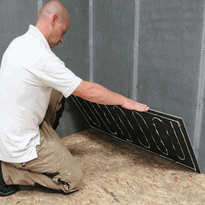
Installing XPS foam underlay boards presents numerous benefits, making them a preferred option for both DIY enthusiasts and professional installers alike. Their straightforward installation requires minimal specialised tools, ensuring the process is accessible for everyone. Floor layers need to understand the roles of covering, subfloor, and insulation, to ensure proper application and performance. These boards are remarkably versatile, suitable for a range of flooring types, including laminate, solid wood, and tiles, which broadens their application possibilities. They deliver excellent thermal insulation, effectively reducing heat loss and enhancing energy efficiency within a space. Additionally, XPS foam boards serve as a sound barrier, significantly decreasing noise levels. Cost-effectiveness is another advantage, as these boards provide durability and high performance at a competitive price compared to alternative materials. Whether used in residential or commercial settings, their ease of installation and adaptability make them an appealing solution for creating comfortable and energy-efficient flooring environments.
Conclusion
XPS foam underlay boards provide exceptional insulation, durability, and moisture resistance, making them a wise choice for flooring installations. Their composition offers significant thermal advantages, while their robust nature ensures long-lasting performance.
These boards are straightforward to install and versatile, suitable for a range of applications. Overall, XPS foam underlay boards enhance energy efficiency and safeguard floors against moisture, making them a dependable option for both residential and commercial projects.
Proper installation and use can maximise their benefits, thereby extending the lifespan of your flooring.