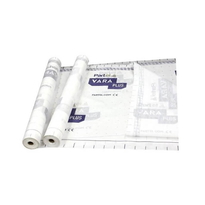
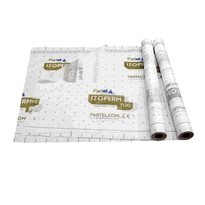
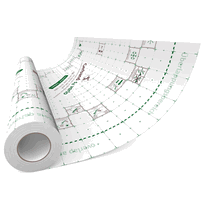
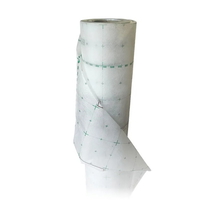
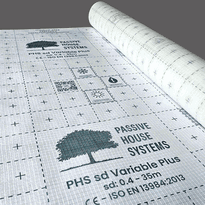
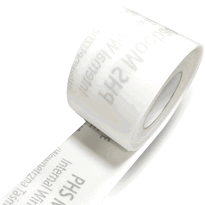
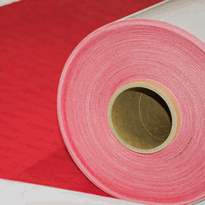
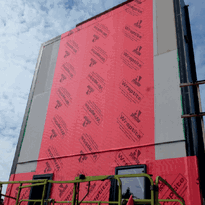
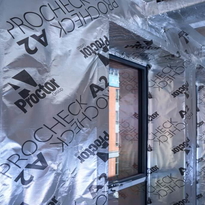
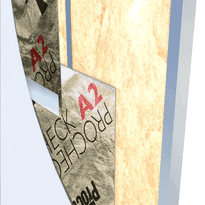
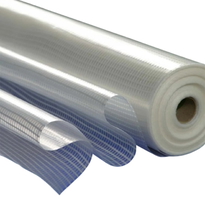
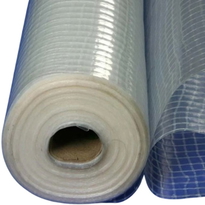
Airtight Vapour Control Membrane
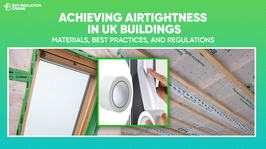
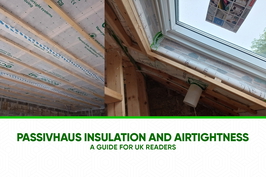
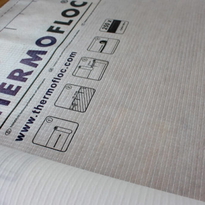
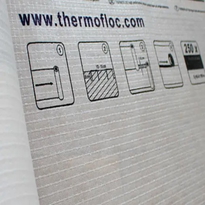
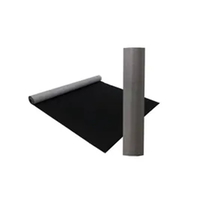
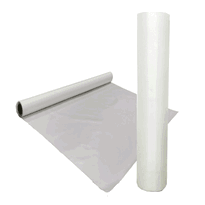
Airtight vapour control membranes are essential components in building envelopes, playing a vital role in regulating moisture movement, preventing condensation, and enhancing energy efficiency. These membranes are typically constructed from materials such as polyethylene, polypropylene, or flexible liquids that create robust, sealed barriers.
To ensure maximum effectiveness, proper installation is crucial. This includes sealing joints and penetrations meticulously. The selection of these membranes is influenced by factors such as climate and the intended use of the building, which in turn guarantees long-term durability.
Ongoing research continues to shed light on the best practices for selecting and maintaining these important layers, ensuring optimal performance over time. These membranes are indispensable for creating healthier, more energy-efficient living and working environments.
Understanding the Role of Vapour Control Layers in Building Envelopes
Vapour control layers are essential for upholding the durability and performance of building envelopes. They effectively regulate moisture vapour diffusion, preventing condensation within wall assemblies that could lead to significant damage. Understanding the key control layers in building envelopes is critical for ensuring material compatibility and durability. By managing moisture levels, these layers help avert issues such as mould growth, wood rot, and structural deterioration. These layers work in conjunction with water, air, and thermal control measures to safeguard the entire building structure. Proper placement and continuity are crucial to prevent dew points from forming in susceptible areas. When installed correctly, vapour control layers facilitate controlled vapour movement, balancing moisture levels without allowing excessive vapour accumulation. The role of vapour control layers is vital for ensuring the building remains dry, healthy, and energy-efficient, ultimately contributing to the comfort and peace of mind of all occupants.
Types of Airtight Membrane Materials and Their Applications
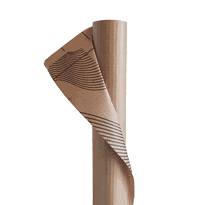
Different types of airtight membrane materials play essential roles in building construction, each tailored for specific applications and performance requirements. Polymer-based liquid membranes are applied as a spray or roller, creating a flexible, permanent seal that adheres well to most substrates, accommodating building movement effectively. These membranes are notably resistant to impact damage and can meet rigorous standards such as Passivhaus. They are suitable for challenging connections in floors, walls, roofs, and joist areas. Other materials include polyethylene, polypropylene, polyester, and wood fibre membranes, which provide vapour control through their distinctive properties. Variable Surface Diffusion (VSD) membranes adjust to humidity levels, managing moisture efficiently. Additionally, vapour retarders and structural barriers made from plastics, foam, or metal are designed to resist moisture diffusion, particularly when properly sealed. These various options deliver a comprehensive range of solutions, ensuring airtightness and vapour control that are tailored to the specific needs of buildings.
The Significance of Proper Installation for Air and Moisture Control
The Importance of Proper Installation for Air and Moisture Control
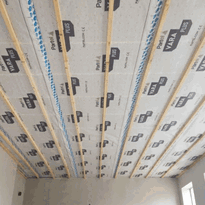
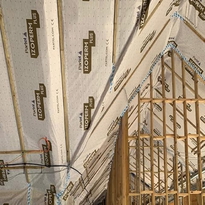
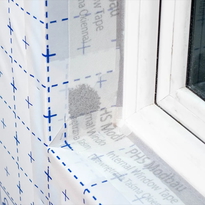
The correct installation of airtight vapour control membranes (AVCL) is crucial for maintaining a building’s energy efficiency and preventing moisture-related issues. Even the smallest gaps can allow significant amounts of water vapour to infiltrate, leading to condensation and potential damage. It is essential to seal laps, junctions, and penetrations completely to keep air and moisture at bay.
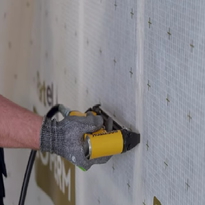
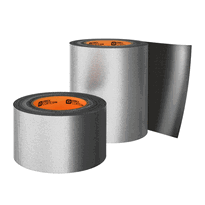
Utilising appropriate fasteners and tapes, ensuring membranes are installed taut and flat, and avoiding any damage during the installation process all contribute to effective performance. Managing service voids reduces potential breach points, while quick inspections during construction help to identify and prevent leaks
Issue |
Proper Practice |
Result |
| Gaps or holes | Seal thoroughly with tape and careful fitting | Keeps moisture out, preserves insulation |
| Penetrations | Use flexible tapes around pipes and cables | Prevents leaks and mould growth |
| Fastening methods | Minimise staples, use suitable adhesives | Ensures an airtight seal |
| Surface condition | Keep the surface clean and dry | Improves adhesion and longevity |
| Environmental conditions | Protect membranes from the weather before sealing | Prevents damage, maintains integrity |
Location and Positioning of Vapour Barriers in Construction
Correct placement of vapour barriers is essential for effective moisture control in building construction.
Under concrete slabs, barriers should be installed between the soil and the slab, utilising at least 6-mil polyethylene to prevent moisture from seeping upwards. Overlaps should be a minimum of 6 inches and sealed with tape. The barriers should extend beyond walls or footings by another 6 inches to prevent edge moisture from causing problems.
In walls and foundations, vapour retarders are positioned on the warm side of insulation. It's crucial to seal seams and any penetrations, ensuring overlaps are at least 6 inches to maintain integrity.
For crawlspaces and basements, barriers must cover the floor and extend up the foundation walls by 6 inches, with overlaps at seams increased to 12 inches and proper sealing implemented.
Roof and ceiling barriers are placed on the warm side of insulation to effectively prevent condensation, ensuring a dry and comfortable environment within the building.
Proper installation of these barriers is vital to safeguarding against moisture-related issues, contributing to the longevity and health of the structure.
Advantages of Using Airtight Membranes for Energy Efficiency
Airtight vapour control membranes play a crucial role in enhancing energy efficiency within buildings. By minimising heat loss during colder months and reducing heat gain in warmer periods, these membranes significantly improve thermal performance. Studies show up to 30% reduction in energy use compared to traditional structures. The creation of a tight seal prevents uncontrolled air movement, which means that heating and cooling systems don't have to work as hard. Consequently, buildings equipped with these membranes become more energy-efficient, resulting in lower utility bills and a reduced environmental footprint. Incorporating airtight membranes not only contributes to a more comfortable indoor climate but also supports sustainability efforts. As awareness of energy efficiency grows, the importance of employing such innovative solutions in construction becomes increasingly evident.
Enhanced Thermal Performance
Using airtight vapour control membranes significantly enhances a building’s thermal performance by minimising heat loss and preventing drafts. These membranes help to keep insulation dry and effective, which in turn maintains the building’s overall energy efficiency. They serve as additional barriers that limit heat transfer through the building’s envelope, reducing thermal bridging and convection. When paired with high-performance insulation, the membranes allow for flexible design and improved thermal resistance. Reflective layers incorporated into the membranes further enhance their capacity to prevent heat loss. By maintaining an airtight and moisture-free environment, the insulation remains effective for longer, thereby preserving the building’s thermal integrity over time. Vapour permeability is essential in ensuring that moisture does not accumulate within the wall build-up, preventing condensation issues that can undermine insulation performance.
Reduced Energy Loss
By sealing gaps and cracks in a building's envelope, airtight vapour control membranes significantly reduce the amount of conditioned air that escapes or enters the space. This helps to retain warm air indoors during winter and prevents hot air from entering in summer, thereby lowering the workload on heating and cooling systems. Airtight installations also prevent moisture from seeping into structural components, which can lead to mold growth and material deterioration over time. As a result, HVAC equipment operates more efficiently and requires less frequent cycling, which can enhance its longevity. Minimising energy loss also contributes to lower energy bills and reduces carbon emissions. Furthermore, these membranes protect insulation from moisture, ensuring it remains dry and effective. When insulation stays dry, the energy required to maintain a comfortable indoor temperature is reduced, making the building more energy-efficient.
Managing Moisture and Preventing Condensation in Buildings
Moisture management and condensation prevention are vital components of building design that contribute to a healthy and durable indoor environment. Effective control measures significantly reduce the risk of mould, structural damage, and indoor air quality issues. Environmental loads, such as moisture from rain and groundwater, play a critical role in these considerations. Key strategies include:
Maintaining a slight positive air pressure within the building to prevent humid external air from causing condensation.
Installing vapour control membranes that slow vapour diffusion while ensuring that air leaks, which are often the primary sources of moisture, are addressed.
Employing airtight construction to limit airflow and moisture transport.
Choosing materials with appropriate vapour permeability based on the local climate and exposure conditions.
Incorporating drainage planes and vapour retarders to effectively manage and divert moisture away from critical areas.
Together, these strategies create a building envelope that actively prevents moisture accumulation, promoting long-term durability and a healthy indoor climate.
Compliance With Building Regulations and Standards
Building regulations play a crucial role in ensuring that vapour control membranes comply with safety and performance standards. Regulations such as BS 5250 establish clear guidelines for moisture management, stipulating that membranes must be approved and tested by recognised third-party organisations. These standards are regularly reviewed and updated to incorporate advancements in building science and to address emerging risks. The UK's Approved Document C enforces these standards to mitigate the risk of moisture damage and to uphold structural safety. Fire safety is also a significant consideration, particularly for external wall membranes, which must achieve a minimum fire rating of Class B-s3,d0 or better in high-rise buildings. Additionally, the National Construction Code specifies a minimum membrane thickness of 0.2 mm to ensure effective moisture barriers. Proper installation is essential, requiring that all joints, laps, and penetrations be thoroughly sealed to maintain airtightness and optimise vapour control. Adhering to these regulations guarantees that the membranes function reliably, thus protecting both the integrity of the building and the well-being of its occupants.
Selecting the Right Membrane Based on Climate and Usage
Choosing the right vapour control membrane is essential and largely depends on the climate and intended use of the building. In colder regions, it's crucial to select membranes that effectively limit vapour passage to prevent condensation issues. Additionally, climate considerations such as humidity levels and temperature fluctuations significantly influence the membrane choice, ensuring materials function properly under specific environmental conditions. Conversely, in warmer climates, membranes that allow moisture to escape are more beneficial. Moreover, the purpose of the building and the levels of humidity it experiences play significant roles in the selection process. By taking these factors into account, one can ensure optimal moisture management, which is vital for the long-term durability and performance of the structure.
Climate Considerations for Membranes
Selecting the appropriate vapour control membrane is crucial and depends significantly on the climate in which a building is situated. In colder climates, such as those found in northern regions, highly impermeable membranes are essential to prevent moisture accumulation and subsequent freezing damage. These membranes, often classified as Class I or II, are typically installed on the interior.
In warmer, more humid areas, membranes that allow some vapour flow, like Class II or III, are preferred. These membranes are usually positioned on the exterior in particularly humid regions to facilitate proper moisture management.
Very cold areas benefit from foam sheathings that face inward, allowing for safe moisture drying. Meanwhile, moderate climates often employ semi-permeable membranes (Class II), which strike a balance between moisture control and drying capacity.
Key considerations for membrane selection include:
Resistance to UV radiation before installation.
Variations in application temperatures based on regional climate.
The potential impact of rain exposure on curing processes.
Local weather conditions that can influence membrane choice.
Compatibility with various substrates, which affects the longevity of the installation.
Building Use and Humidity
Building use and indoor humidity levels are vital factors in selecting the appropriate vapour control membrane. Different buildings exhibit varying moisture demands, necessitating membranes that effectively prevent condensation while permitting essential drying.
For instance, residential properties with fluctuating occupant activity may require membranes that adapt to changing humidity levels. Smart membranes, which open or close based on moisture conditions, can be particularly beneficial in such settings.
In high-humidity environments, such as swimming pools or laundries, membranes must have specific perm ratings to manage moisture ingress and facilitate rapid drying.
For spaces with continuous moisture, like factories, the durability and permeability of the membrane become paramount.
Proper placement within the insulation layer is crucial to ensure the membrane functions effectively, safeguarding the structure from mould, rot, and damage caused by trapped moisture.
Maintaining Long-Term Performance and Durability of AVCLs
Maintaining the long-term performance and durability of Air Vapour Control Layers (AVCLs) relies heavily on proper installation and appropriate material selection. Installing AVCLs on the warm internal side of the building envelope effectively prevents condensation and minimises heat loss. The use of reinforced membranes enhances mechanical strength and longevity, ensuring that the layers withstand the rigours of time.
Choosing AVCLs with high vapour resistance is crucial in combatting humidity ingress, allowing for the structure to dry effectively. It's essential to select membranes that have been thoroughly tested for long-term ageing resistance, as this guarantees their reliability over time.
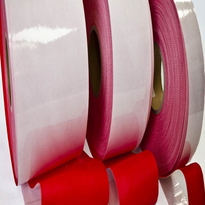
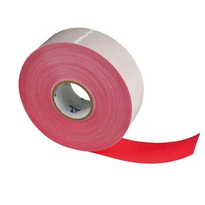
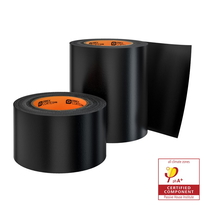
Furthermore, utilising compatible tapes and accessories ensures airtightness, preventing any potential leaks that could compromise the system's efficiency. Certifications, such as those meeting Passive House standards, are significant indicators of a membrane’s performance, particularly in terms of air permeability.
Ensuring that the chosen materials adhere to these rigorous benchmarks is key to achieving optimal durability and effectiveness in the long run.
Proper installation on the internal side prevents condensation.
Reinforced membranes enhance mechanical strength.
High vapour resistance combats humidity ingress.
Consistent testing affirms long-term ageing resistance.
Certified membranes guarantee durability and airtightness.
Conclusion
Airtight vapour control membranes play a vital role in enhancing building durability, energy efficiency, and effective moisture management. The right selection, installation, and ongoing maintenance of these membranes are crucial to ensure they function effectively over time, thereby preventing issues such as condensation and structural damage.
Adhering to building standards and taking into account local climate conditions can significantly enhance the benefits derived from these membranes. When implemented correctly, they contribute to the creation of healthier, more efficient buildings, making them an indispensable element of contemporary construction practices.
The effective use of airtight vapour control membranes not only supports long-term building performance but also enhances occupant comfort, ensuring that homes and commercial spaces remain pleasant and conducive to wellbeing.