Boiler Condensate Insulation
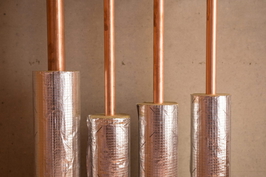
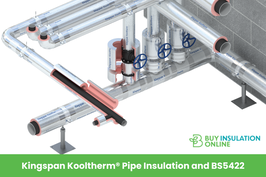
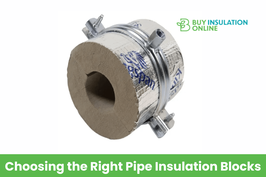
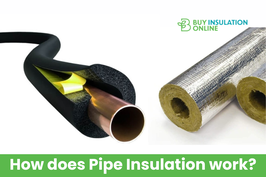
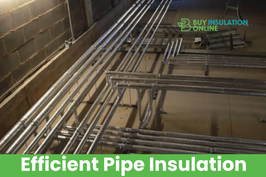
Boiler condensate insulation involves materials such as calcium silicate, mineral fiber, fiberglass, cellular glass, and expanded silica. Each material offers specific thermal resistance, fire safety advantages, and environmental benefits that enhance energy efficiency and the longevity of the system. Proper installation of insulation helps reduce heat loss, decrease fuel consumption, and minimize thermal stress on pipes, thereby extending the lifespan of the equipment.
Effective installation practices include precise measurement of pipe dimensions, secure fastening of insulation materials, and sealing joints thoroughly to prevent heat escape. Regular inspection and maintenance of the insulation system are essential to sustain its performance, ensure safety, and maintain compliance with relevant standards.
Selecting the appropriate insulating material and adhering to best installation practices are critical for optimizing operational efficiency and safeguarding personnel and the environment. When properly executed, boiler condensate insulation plays a vital role in creating a safer, more energy-efficient heating system within UK facilities.
Types of Materials Used in Boiler Condensate Insulation
Boiler condensate insulation employs a variety of materials, each selected for specific physical properties and performance characteristics suitable for high-temperature industrial environments.
Calcium silicate insulation features granular material reinforced with fibers, molded into rigid forms suitable for piping. It can withstand temperatures of up to 650°C and offers excellent durability, fire resistance, and low heat transfer. This makes it a common choice for insulating boiler condensate systems where robust thermal protection is required. [According to industry standards, calcium silicate provides up to 90% reduction in energy loss, enhancing efficiency. Its high thermal conductivity resistance makes it suitable for critical applications requiring minimal heat loss.
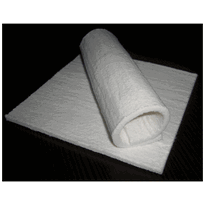
Mineral fiber insulation, including rock wool and slag wool, is made from bonded fibers. It can endure even higher temperatures, reaching approximately 1,100°C, providing both thermal insulation and sound control while maintaining mechanical strength. Its resistance to thermal shifts and fire makes it ideal for more demanding application conditions. Additionally, mineral fiber insulations are known for their fire safety properties, ensuring safety in high-risk environments.
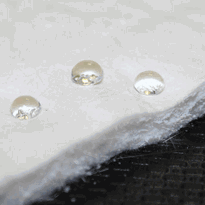
Fiberglass and cellular glass are also widely used options. Fiberglass offers ease of installation and cost-effectiveness, making it suitable for many boiler condensate insulation scenarios. Cellular glass provides outstanding resistance to moisture and chemicals, functioning effectively across a broad temperature range, from below freezing to around 480°C. Its moisture-resistant nature enhances its longevity, especially when exposed to humid environments.
It's particularly valued in environments where moisture ingress might compromise insulation integrity. Expanded silica is employed in applications requiring resistance to extremely high temperatures and thermal shocks. These materials are chosen based on operational demands, environmental conditions, and the specific performance requirements of the insulation system.
Advantages of Proper Insulation for Boiler Systems
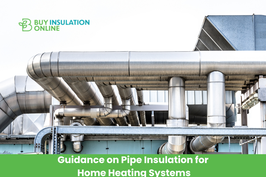
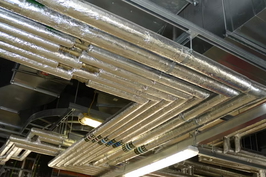
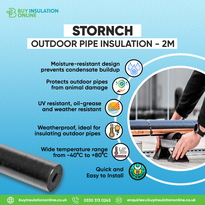
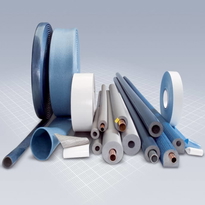
Effective insulation plays a critical role in enhancing the performance and efficiency of steam and condensate piping systems by significantly minimizing heat loss. Proper insulation helps maintain higher temperatures of returning condensate, which requires less additional energy to reheat, thereby improving overall boiler fuel efficiency. Reduces heat loss from water returning to the boiler. This reduction in thermal losses decreases fuel consumption, leading to lower operational costs and decreased emissions of CO2 and other pollutants, thereby supporting environmental sustainability. Additionally, well-insulated condensate lines promote faster return of hot water to the boiler, enabling quicker steam production and preventing issues such as overfilling. Insulation also maintains consistent system temperatures, stabilizing operation and reducing thermal stress on components. Proper insulation materials like those offered by STÖRNCH provide excellent thermal resistance and moisture protection to ensure long-term performance. Furthermore, it protects personnel from hot surfaces and prevents heat damage to surrounding equipment, enhancing safety and extending the lifespan of infrastructure.
Installation and Maintenance of Insulation Systems
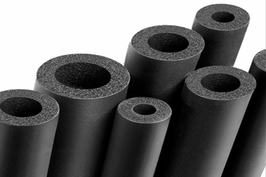
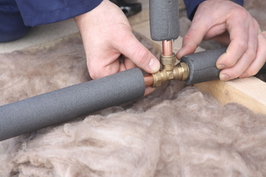
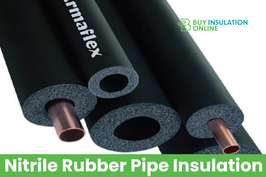
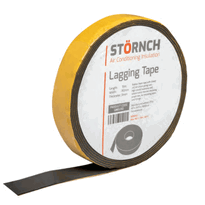
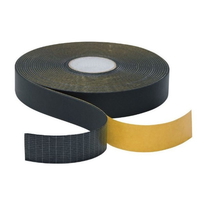
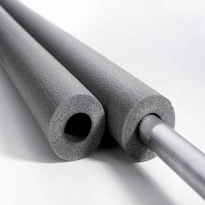
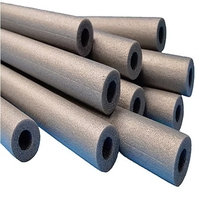
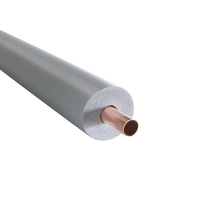
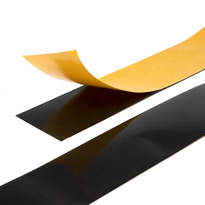
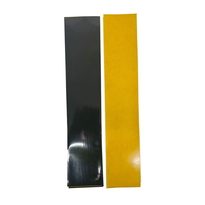
Proper installation and ongoing maintenance of insulation systems are crucial for ensuring the efficiency and safety of condensate piping in boiler operations. Before commencing work, the boiler system must be switched off, and the entire length of the pipe should be measured accurately, with additional material allowed for adjustments. Selection of suitable insulation material—such as foam tubes, fiberglass wraps, or rubber insulation—depends on environmental conditions. It's important to follow manufacturer instructions carefully and to consider the specifications of the pipe when choosing insulation to ensure optimal performance. Insulation must be securely fastened using appropriate fasteners such as tape, zip ties, or clips. Care should be taken to avoid compressing the insulation, as this can reduce its effectiveness. When installing around bends and junctions, ensure thorough sealing to prevent air gaps, which can lead to condensation and heat loss. The use of high-quality sealing tapes like Gerband 586 can significantly enhance airtightness and long-term durability of the insulation. Routine visual inspections are necessary to identify any worn, damaged, or displaced insulation. Any deterioration should be promptly remedied by replacing affected sections, to maintain system integrity and performance. Regular maintenance not only preserves the energy-efficient operation of the system but also helps uphold safety standards, reducing potential hazards associated with condensate piping. Properly maintained insulation contributes significantly to the sustainable and safe operation of boiler systems in the UK. Additionally, selecting insulation materials with appropriate resistance to environmental factors can extend the lifespan of the system components and reduce ongoing repair costs.
Environmental and Cost Benefits of Insulating Boiler Condensate Lines
Insulating boiler condensate lines provides notable environmental and financial benefits by minimizing heat loss and energy wastage. Proper insulation can reduce energy consumption associated with heating by up to 90%, leading to enhanced system efficiency, lower fuel costs, and more stable operational temperatures.
By maintaining higher condensate temperatures through insulation, unnecessary heat dissipation is prevented. This not only conserves energy but also diminishes harmful emissions such as carbon dioxide and sulfur dioxide, contributing positively to environmental sustainability objectives. Insulation also helps control surface temperatures, ensuring safer working conditions and compliance with safety standards. Additionally, the use of suitable insulating materials enhances the durability of pipes, protecting them from thermal stress and corrosion over time.
The advantages of insulating boiler condensate lines can be summarized as follows:
Benefit Category |
Specific Advantage |
Impact |
| Cost Savings | Reduces fuel and water treatment expenses | Decreases operational costs |
| Environmental Impact | Lowers greenhouse gas emissions | Supports efforts to combat climate change |
| System Reliability | Prevents heat loss-induced corrosion, extending lifespan | Ensures dependable process operation |
| Efficiency Enhancement | Maximises heat recovery | Boosts overall system performance |
| Regulatory Compliance | Meets energy efficiency standards | Demonstrates environmental responsibility |
Conclusion
Proper insulation of boiler condensate lines is vital for enhancing system efficiency, minimising heat loss, and preventing corrosion-related failures. Selecting suitable materials, ensuring correct installation, and conducting regular maintenance are essential strategies for achieving optimal performance and extending the lifespan of the system.
Effective insulation also plays a significant role in supporting environmental sustainability by reducing energy consumption and lowering operational costs. Adopting a systematic approach to insulation management not only improves system reliability but also offers long-term economic and ecological benefits. This makes insulation a critical component of efficient boiler system operation, especially within the context of UK standards and practices.
Featured Articles on Boiler condensate insulation