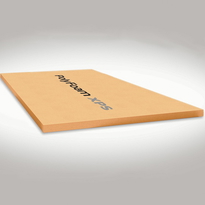
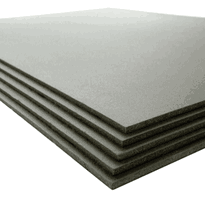
Closed Cell Poly Foam
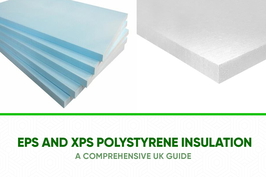
Closed cell poly foam is a dense, rigid material characterised by completely enclosed cells that provide exceptional waterproofing, high thermal resistance, and remarkable durability. This foam resists compression, tearing, and punctures, making it an ideal choice for insulation, packaging, and flotation applications.
Its customisable hardness and moisture resistance distinguish it from open cell foam, offering versatility for various uses. Understanding the unique properties of closed cell poly foam is crucial in selecting the right type for specific requirements.
As you delve deeper, you'll discover more about its advantages and applications, ensuring you make informed decisions tailored to your needs.
Characteristics and Benefits of Closed Cell Poly Foam
Closed cell poly foam is recognised for its dense, rigid structure, where each cell is completely enclosed. This design provides the foam with high strength and durability, making it resistant to compression, tearing, and puncturing. Its higher density contributes to its toughness, an essential characteristic for various applications. The manufacturing process allows for customization of hardness and density, enhancing its suitability for different needs. The foam also boasts excellent waterproofing capabilities, as the sealed cells prevent both water and air from permeating. This moisture-resistant feature makes it ideal for use in outdoor or damp environments. Additionally, its insulating properties are noteworthy, providing effective thermal performance that helps maintain consistent temperatures and enhances energy efficiency.
Common Applications Across Industries
Closed cell poly foam is extensively utilised across various industries in the UK due to its adaptable properties and dependable performance.
In the building and construction sector, it serves as insulation for walls, roofs, and attics, assisting in reducing energy costs while enhancing comfort. Its ability to dampen sound, seal gaps, and prevent moisture infiltration significantly improves durability. Its high R-value makes it particularly effective for thermal insulation purposes.
Within the HVAC industry, closed cell poly foam is employed to insulate ductwork and refrigeration units, which helps maintain stable temperatures and reduces energy consumption.
In packaging, its shock absorption and waterproof characteristics protect fragile and heavy items during transit, ensuring safe delivery.
The automotive and aerospace sectors apply it for vibration damping, thermal insulation, and impact absorption, contributing to improved safety and efficiency.
Furthermore, in marine and specialty industries, closed cell poly foam is used for buoyancy, waterproofing, and cushioning in footwear and cold storage applications.
These diverse applications highlight the remarkable versatility of closed cell poly foam across multiple fields.
Technical Properties That Make It Unique
The unique properties of closed cell poly foam arise from its specialised structure and composition, which confer a variety of performance advantages.
Its high thermal resistance makes it one of the premier insulation materials available. This effectiveness in reducing heat transfer is attributed to the gas trapped within the foam’s tiny, enclosed cells.
The foam's dense and rigid structure provides exceptional compressive strength and enhanced structural integrity, particularly in demanding applications.
It's also waterproof and resistant to moisture, mildew, and bacteria, making it an excellent choice for humid environments. Its water resistance is due to the tightly sealed cells that block moisture intrusion.
Furthermore, closed cell foam effectively reduces noise and dampens vibrations, contributing to a quieter and more comfortable atmosphere.
Its remarkable stability against chemical and environmental factors ensures that it remains durable and effective over time, suitable for a variety of industrial and commercial uses.
Comparing Closed Cell and Open Cell Foam
When comparing foam insulations, it is essential to understand how their structures directly impact performance. Closed cell foam is characterised by its density and rigidity, providing superior insulation values that make it particularly well-suited for extreme conditions. In contrast, open cell foam is lightweight and flexible, making it easier to install and ideal for moderate insulation needs as well as soundproofing applications.
Feature |
Closed Cell Foam |
Open Cell Foam |
| Density and Structure | Dense and rigid | Soft and flexible |
| Insulation and R-Value | High insulation performance | Moderate insulation performance |
| Moisture Resistance and Cost | Moisture-resistant and pricier | Less moisture-resistant and more economical |
Closed cell foam serves as an effective moisture barrier, while open cell foam excels in soundproofing capabilities. Both types of foam play a crucial role in sealing air leaks, thereby enhancing energy efficiency in various settings.
Different Types of Closed Cell Foam and Their Uses
Different types of closed cell foam possess unique properties that render them suitable for specific applications across various industries.
Polyethylene foam, for instance, is waterproof and impact-resistant, making it an excellent choice for packaging and flotation devices. It is also highly stable over time, which enhances its suitability for long-term applications.
Polyurethane foam, including memory foam, features slow rebound and contouring capabilities, which are beneficial in medical cushions, mattresses, and protective gear.
PVC foam is known for its durability and good chemical resistance, often utilised in marine environments and seals.
Neoprene foam offers resistance to water and chemicals, commonly found in wetsuits and laptop sleeves.
Ethylene vinyl acetate foam provides flexibility, making it ideal for footwear midsoles and sports padding.
The distinct attributes of each foam type allow them to meet a variety of needs, creating a sense of belonging when they're employed in everyday products that protect, insulate, or support us.
Conclusion
Closed cell poly foam provides exceptional insulation, moisture resistance, and durability, making it ideal for numerous industries. Its distinctive structure delivers superior strength and stability compared to open cell foam. Various types of closed cell foam cater to specific applications, ranging from insulation to flotation.
Understanding the properties of this material is essential for selecting the appropriate type for a project. Overall, the versatility, performance, and reliability of closed cell poly foam render it a popular choice across diverse applications in the UK.