
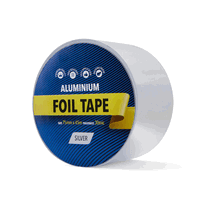

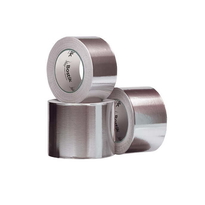
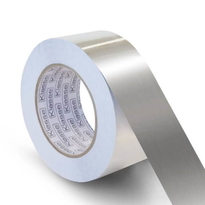
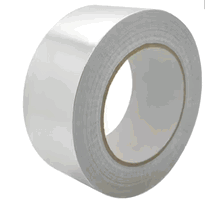
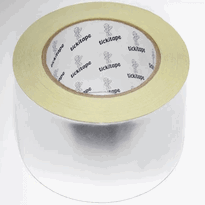
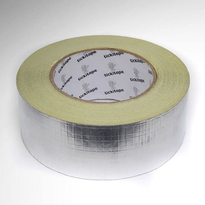
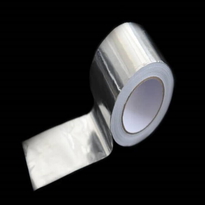
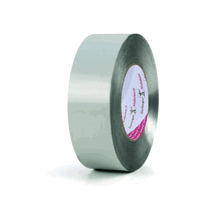
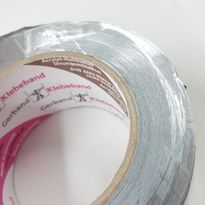
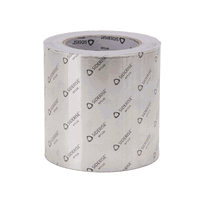
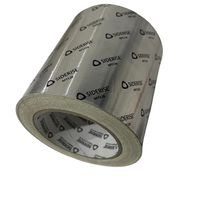
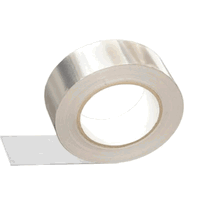
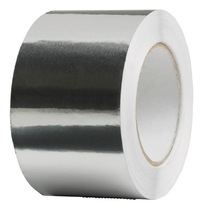
Cold Weather Foil Tape
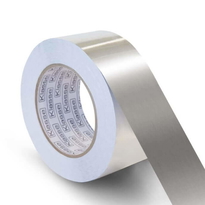
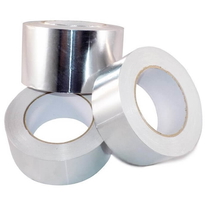
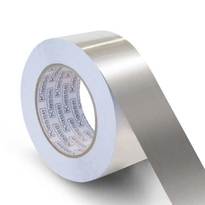
Cold weather foil tape is specifically designed to endure low temperatures while maintaining its adhesion and flexibility, making it an ideal choice for sealing HVAC ducts and insulation in severe winter conditions. This tape comprises a flexible aluminium foil that is coated with a cold-weather adhesive, ensuring it remains robust and dependable even in extremely low temperatures.
It offers superior moisture resistance, creating airtight seals and delivering long-lasting performance. For those seeking practical and reliable solutions for cold climates, this tape provides an effective way to enhance energy efficiency and prevent heat loss during the colder months.
Whether you are involved in home improvement, construction, or simply looking to improve your insulation, cold weather foil tape is a valuable addition to your toolkit. Its unique properties make it an essential resource for anyone facing the challenges of winter weather.
Key Features and Benefits for Cold Climate Applications
Cold climate applications necessitate materials that can perform reliably under harsh weather conditions. Aluminium foil tape offers key advantages, making it an ideal choice for cold environments. It withstands extreme cold temperatures without becoming brittle or losing adhesion, maintaining flexibility and strong bonds even in frigid conditions. Highly effective at insulating spaces, ensuring that heated areas retain warmth and improve energy efficiency during the winter months. Its durability spans a wide temperature range, ensuring consistent performance in fluctuating climates. The tape resists warping and degradation in both hot and cold weather, supporting long-term reliability. Additionally, its waterproof qualities create an effective moisture barrier, protecting surfaces from humidity and water damage. These features make foil tape a trustworthy and cost-effective solution for sealing, insulating, and regulating environments in chilly weather conditions.
Ideal Uses in HVAC and Duct Sealing Tasks
Aluminium foil tape is highly effective for sealing HVAC ducts and ensuring airtight connections, which are essential for energy efficiency. Its robust sealing capabilities help prevent leaks that can result in significant air loss in homes, thereby enhancing comfort and conserving energy. Cold weather foil tapes maintain their adhesion even at temperatures as low as -20°C, making them ideal for outdoor or unheated ducts. They form durable, permanent bonds on duct joints, preventing moisture and air infiltration, which keeps systems operating smoothly. Additionally, they resist water vapour, helping to avoid condensation inside ducts.
Duct Type |
Application |
| Fibreglass duct board | Sealing seams securely |
| Flexible air ducts | Patching leaks and gaps |
| Metal ducts | Repairing holes |
| Insulation layers | Securing external seams |
Material Composition and Environmental Compatibility
The composition of cold weather foil tapes is specifically designed to meet the demands of challenging environmental conditions. They typically feature a dead-soft aluminium foil that provides both flexibility and durability.
The tape is coated with a pressure-sensitive, cold weather solvent acrylic adhesive that maintains its tackiness at low temperatures, ensuring strong bonds even in freezing conditions.
Some variants include additional features such as flame retardancy, UV resistance, and high shear adhesion, making them suitable for outdoor use.
These tapes offer excellent vapour barrier properties, helping to prevent moisture buildup.
They can endure extreme temperatures, and the aluminium backing remains flexible without cracking.
Applying and Ensuring a Secure Seal in Freezing Temperatures
Achieving a secure seal with foil tape in freezing temperatures necessitates careful attention to application techniques and surface conditions.
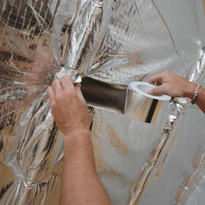
Surfaces should be thoroughly cleaned and dried to eliminate dust, oil, and moisture that can compromise adhesion. Warming the surface with a heat gun or hairdryer prior to taping enhances adhesive tack and bonding. Applying the tape within its specified temperature range ensures optimal adhesion and durability. It's important to apply the tape with a 50% overlap on insulation joints to ensure continuous sealing. Using firm pressure helps to remove air bubbles, while smoothing the tape with a roller prevents wrinkles or bubbles that could lead to failure.
Additionally, warming the tape slightly before application increases its flexibility and adhesion. Proper edge sealing and careful handling during cold weather are crucial for achieving a long-lasting, airtight seal, particularly in freezing conditions.
Safety Standards and Regulatory Certifications
Safety standards and regulatory certifications ensure that foil tape meets essential performance, environmental, and health requirements. These standards instil confidence in consumers and professionals alike that the tape is both safe and reliable.
Regulatory bodies, such as the Health and Safety Executive, establish workplace safety regulations for the manufacturing and handling of materials. Meanwhile, organisations like ASTM and ISO define the quality, safety, and consistency expected in product production.
Certifications from UL, including those for fire safety and sealing standards for HVAC systems, indicate that these tapes have been rigorously tested. Classifications demonstrate their fire safety performance in both the UK and other regions.
Furthermore, environmental regulations confirm that the tape contains low levels of harmful chemicals, ensuring compliance with safety and environmental standards. Low VOC content supports sustainable building practices
These regulations and certifications create a common ground that assures everyone that foil tape performs safely, even in cold weather environments.
Choosing the Right Cold Weather Foil Tape for Your Project
Selecting the appropriate cold weather foil tape necessitates a clear understanding of its temperature limits, adhesion strength, and surface compatibility to ensure a robust seal in chilly conditions. It's also essential to verify certifications and safety features, such as flame retardancy or compliance with environmental standards, to meet the specific needs of your project. Polyken 339 foil tape, for example, features a gauge thickness of 4.8 mil and UL listings that support its use in cold environments. Making well-informed choices helps to prevent adhesive failures and enhances the longevity and safety of your installation.
Temperature Compatibility
Choosing the right cold weather foil tape is largely dependent on its temperature compatibility with the surrounding environment. Effective tapes generally operate well in extremely low temperatures, ensuring they perform reliably in both freezing and moderately warm conditions. The adhesive’s ability to maintain tack and shear strength in cold conditions is vital, particularly when faced with harsh weather. Many tapes utilise acrylic adhesives, which are known for their long-lasting bonds, even in freezing temperatures. Additionally, certifications verify temperature performance and safety, ensuring that the tape can withstand specific environmental challenges. Selecting a tape with appropriate temperature compatibility is essential for guaranteeing durability and effective sealing across various weather extremes. Cold weather performance standards further validate the tape's suitability for demanding environments, making it a reliable choice for HVAC and ventilation applications.
Adhesion & Surface Prep
Proper adhesion begins with thoroughly preparing surfaces before applying cold weather foil tape. Surfaces should be clean, dry, and free from dust, oils, or moisture. Wiping or light abrasion can effectively remove debris that may hinder bonding.
For metal surfaces, degreasing or priming may be essential, particularly if they're corroded or oxidised, to enhance adhesion.
Rough or porous materials, such as fibrous insulation, might require primers or specialised adhesives to ensure a proper seal. Employing an acrylic, pressure-sensitive adhesive guarantees an airtight seal that remains sticky and resists lifting, even in cold conditions.
Applying the tape at room temperature or warming it beforehand assists the adhesive in flowing better. Applying firm, even pressure during installation ensures full contact, minimising gaps and preventing moisture or air from infiltrating the bond.
Certification & Safety
Ensuring that cold weather foil tape complies with safety and certification standards is vital for dependable performance and regulatory adherence. UL certification is common, confirming the tape’s compliance with electrical and safety regulations, such as ANSI/CAN/UL 510 and UL 181 for duct systems.
Flame and smoke ratings, like UL723, indicate the tape’s fire resistance; higher ratings provide enhanced safety. Certain tapes also carry approval from the U.S. Coast Guard, making them suitable for marine environments.
Certification standards from ISO 9001 ensure consistent manufacturing quality. Cold weather tapes are rigorously tested for temperature ranges, adhesion in low temperatures, and durability against aging, moisture, and sunlight.
These certifications assure that the tape performs safely and effectively, instilling confidence in users regarding its long-term reliability in challenging cold conditions.
Conclusion
Cold weather foil tape provides dependable sealing and insulation in chilly conditions, making it an excellent choice for HVAC systems and ductwork during freezing temperatures. Its robust, environmentally friendly materials ensure a strong bond even in harsh environments.
For optimal performance, it is vital to apply the tape correctly and adhere to safety standards. By selecting the appropriate tape for specific applications, users can enhance the efficiency and durability of their projects, guaranteeing effective insulation and airtight seals in cold climates.
This tape is particularly suited for use in the UK, where temperatures can drop significantly, making it an essential component for maintaining energy efficiency and comfort in buildings.