External Water Pipe Lagging
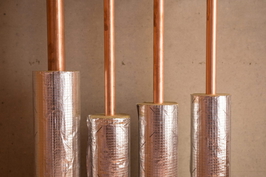
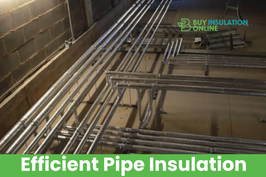
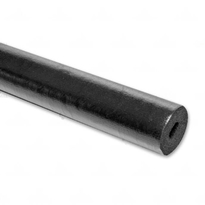
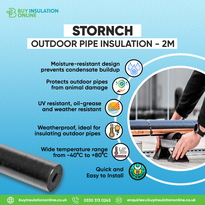
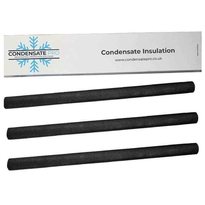
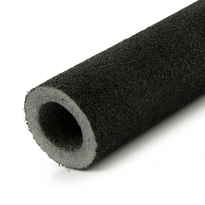
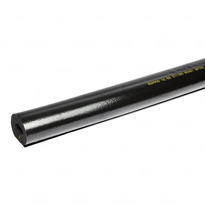
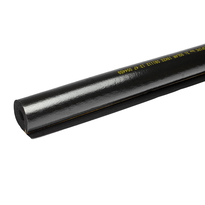
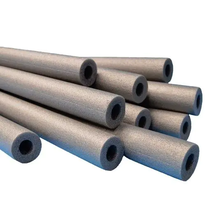
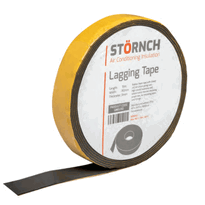
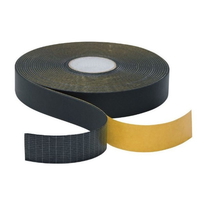
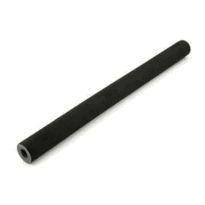
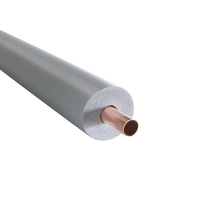
External water pipe lagging is insulation enveloping outdoor pipes to safeguard them from adverse weather conditions such as cold, heat, moisture, and dirt. This insulation plays a crucial role in preventing heat loss, minimising the risk of pipes freezing or bursting, and prolonging their lifespan.
Using appropriate materials, such as foam or rubber, ensures both durability and straightforward installation. In addition to retaining heat, pipe lagging also reduces noise and enhances safety.
Further exploring this subject reveals that proper installation techniques can significantly maximise these benefits, ensuring your outdoor pipes remain protected throughout the seasons.
What Is External Water Pipe Lagging and Why Is It Essential?
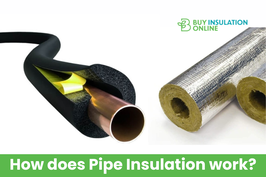
External water pipe lagging refers to a type of insulation that's applied around water pipes situated outside a building. Its primary function is to protect these pipes from various environmental conditions, such as cold weather, heat, moisture, and dirt. Insulating pipes to reduce heat loss or gain is crucial for energy efficiency. The lagging material encases the pipes, creating a thermal barrier that helps prevent heat loss from hot water pipes and ensures that cold water doesn't freeze in low temperatures. In addition to thermal protection, external lagging also safeguards pipes from moisture, which can lead to corrosion and ultimately result in leaks or pipe failure. Furthermore, it reduces noise associated with water flow and provides physical protection against dirt and potential damage. Selecting the appropriate lagging material is crucial, as it should be tailored to the specific environment and requirements of the installation.
How External Pipe Lagging Promotes Energy Efficiency and Cost Savings
When pipes are insulated with lagging, they experience significantly reduced heat loss to their surroundings, leading to considerable energy savings. Proper insulation can diminish heat loss dramatically, meaning less energy is required to maintain water at the desired temperature. This results in lower fuel and energy consumption, particularly in colder climates where heating demands are elevated. Reducing heat transfer also minimizes the risk of pipes freezing during the winter months, preventing costly repairs and water damage.
Insulated pipes convey warmer water more efficiently, minimising waste and reducing waiting times. By sustaining more consistent water temperatures, lagging allows heating systems to operate with less effort, which can lower energy bills and extend the lifespan of equipment. Over time, these savings can accumulate, especially in larger buildings.
Moreover, decreased energy consumption contributes to a reduced environmental impact by lowering carbon emissions. This promotes sustainability and encourages responsible resource management, making external pipe lagging an essential consideration for energy efficiency in the UK.
Protecting Pipes From Freezing and Extending Their Lifespan
Freezing temperatures can lead to significant issues for water pipes situated outdoors or in unheated areas. When water freezes, it expands, which increases pressure within the pipes and heightens the risk of ruptures.
Exposed pipes in garages, attics, or outside are particularly susceptible, and bursts caused by freezing can result in considerable water damage and expensive repairs. Often, these ruptures remain undetected until the thawing process begins, leading to hidden flooding.
To safeguard your pipes and extend their lifespan, it's essential to use insulation such as foam sleeves or pipe lagging. Allowing a slow drip from taps can help maintain water movement, thereby reducing the likelihood of freezing.
It's also advisable to keep indoor temperatures above 13°C and to open cupboard doors to expose pipes to warmer air.
Choosing the Right Materials for External Pipe Insulation
Choosing the right material for external pipe insulation requires careful consideration of several important factors.
Durability, moisture resistance, ease of installation, and environmental impact are crucial aspects to take into account.
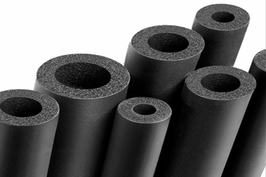
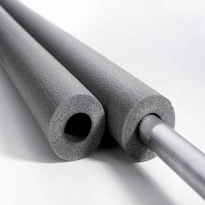
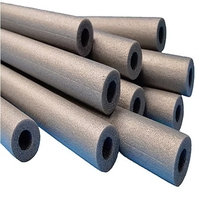
Polyethylene foam is a lightweight and flexible option that resists moisture, making it particularly suitable for quick installations and outdoor applications.
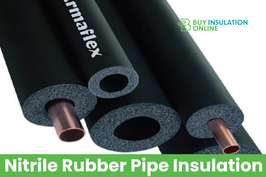
Rubber insulation is adept at adapting to temperature fluctuations, offering excellent durability for exposed pipes.
Fibreglass is highly effective in cold climates, providing robust thermal protection, although it does require additional outer layers to safeguard against water damage. Fiberglass insulation has excellent thermal resistance for heat preservation.
Mineral wool excels in fire resistance and sound dampening, though it tends to be more expensive.
Each material boasts unique strengths that cater to different requirements, whether one seeks cost-effectiveness, environmental safety, or solutions for specialised conditions.
The right choice ultimately depends on aligning these properties with the specific environment and pipe needs, ensuring reliable and long-lasting insulation.
Proper Installation Techniques for Maximum Effectiveness
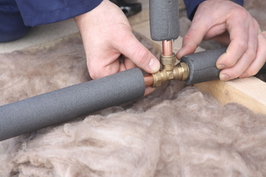
Proper installation of external water pipe lagging begins with meticulous surface preparation. Thoroughly clean and dry the pipes to ensure that the insulation adheres effectively, optimising its performance. Cleaning the pipes thoroughly removes dirt and debris, improving insulation adhesion.
It's essential to seal joints and seams with waterproof materials, which helps to prevent water intrusion and preserve the efficiency of the insulation. Ensuring a smooth and even surface will aid in achieving a secure fit for the lagging.
Take care to inspect the pipes for any signs of damage or corrosion, as addressing these issues prior to installation will enhance the longevity of the insulation.
When applying the lagging, ensure that it's wrapped tightly around the pipes, with overlaps at joints to provide maximum coverage. This technique is vital to reducing heat loss and protecting the pipes from freezing in colder months.
Regular inspections after installation are advisable to maintain the integrity of the lagging and to address any wear and tear promptly.
Surface Preparation Best Practices
Before installing lagging on water pipes, it is essential to prepare the surface meticulously to ensure optimal adhesion and long-lasting performance. Cleaning is fundamental; surfaces should be either solvent or steam cleaned with detergent to eliminate oil, grease, and dirt. For rust and mill scale, abrasive blast cleaning following standards such as SA3 creates a rough, clean surface that is ideal for bonding. It is crucial that the surface is completely dry and free from dust and contaminants prior to application.
Maintaining proper environmental conditions, such as working in dry atmospheres and avoiding high humidity, helps to prevent moisture-related issues. Creating an even, rough profile between 50 and 75 microns promotes strong mechanical adhesion. Here’s a quick overview:
Step |
Action |
Result |
| Cleaning | Remove oils, grease, rust | Surface ready for treatment |
| Abrasive Blast | Develop rough texture | Ensures better grip |
| Drying | Remove moisture | Prevents corrosion |
Seam and Seal Techniques
Effective seam and seal techniques are essential for ensuring the long-term performance of external water pipe lagging. Proper installation of seams prevents water ingress and maintains insulation effectiveness, creating a reliable barrier against environmental damage. Insulating pipes helps in saving water, which is crucial in areas with water shortages, and proper sealing further enhances water conservation by preventing leaks. There are various seam options available, including butt, overlap, shiplap, tongue-and-groove, and adhesive or taped seams, each catering to different requirements. Best practice involves cleaning and drying surfaces thoroughly before sealing, ensuring insulation is cut straight, and overlapping seams for enhanced protection. It is crucial to press seams firmly to eliminate trapped air. Larger gaps may require a backer rod prior to sealing. Utilising weather-resistant tapes, applying multiple layers of sealant, and conducting regular inspections all contribute to the durability of seams, ensuring that the lagging remains effective even in harsh conditions.
Additional Advantages of External Pipe Lagging: Noise Reduction and Safety
External pipe lagging provides several notable advantages concerning noise reduction and safety. It effectively dampens pipe vibrations, which helps to prevent unwanted sounds from water flow or mechanical movement. Pipes can often amplify sound, transmitting noise throughout building structures; lagging serves to block and absorb these sound waves, thereby enhancing acoustic comfort. Utilising multi-layered materials, such as vinyl and foil, can significantly increase noise reduction, particularly in multi-storey buildings where sound transmission between floors is a concern. Lagging also plays a crucial role in controlling sound transmission through walls and floors, contributing to quieter living and working environments. In terms of safety, lagging covers hot pipes, significantly reducing the risk of burns, especially in high-traffic areas like kitchens and industrial sites. Additionally, it helps prevent condensation, thus diminishing slip hazards and inhibiting mould growth. Insulating pipes can also further improve safety by providing an extra layer of protection against accidental contact.
Environmental Benefits and Long-Term Cost Effectiveness
By reducing heat loss from hot water pipes and limiting heat gain in cold ones, external pipe lagging plays a vital role in enhancing energy efficiency. This insulation decreases the energy required to maintain water at the desired temperature, leading to lower utility bills and significant savings over time. Using insulated pipes also means less energy is wasted, which contributes to a reduction in greenhouse gas emissions and supports environmental sustainability. Additionally, lagging helps to prevent condensation and moisture build-up, safeguarding pipes from corrosion and extending their longevity. It also minimises the risk of freezing and pipe bursts during colder months, thereby reducing the potential for costly repairs. Properly installed insulation further enhances the overall effectiveness of pipe lagging by providing a durable barrier against external elements.
Conclusion
External water pipe lagging provides essential insulation that conserves energy, prevents freezing, and prolongs the lifespan of pipes. It offers advantages such as noise reduction and enhanced safety, while also being environmentally friendly and cost-effective in the long run.
Choosing and installing the appropriate materials is vital for achieving maximum efficiency and durability. Investing in external pipe lagging is a sensible decision that fosters long-term savings, improves safety, and safeguards pipes against harsh weather conditions, making it a worthwhile addition to any property.
By ensuring that your pipes are properly lagged, you can enjoy the benefits of reduced energy costs and enhanced performance. This practical solution not only protects your plumbing but also contributes to a more sustainable environment.
Featured Articles on External water pipe lagging