

Common Materials and Products for Floor Soundproofing
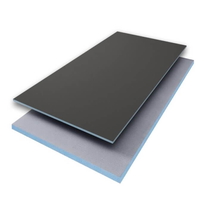
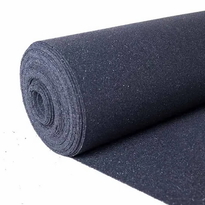
Floor soundproofing relies on a variety of materials designed to reduce noise transmission and enhance acoustic comfort. Common options include felt underlay, made from compressed fibres, which offers moderate sound absorption and moisture resistance. Solid rubber is also a proven material, effective against airborne and impact noise across different flooring types.
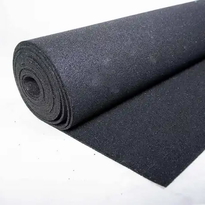
Recycled rubber, such as Impact Barrier QT™, provides an environmentally sustainable solution that also reduces sound transfer. Synthetic fibres are incorporated into various products due to their ease of installation and versatility.
Additionally, foam backing—often found beneath vinyl flooring—contributes to sound absorption and offers a softer underfoot feel. Various materials are combined to optimize overall soundproofing performance. These materials work together or independently to bolster noise reduction, making them essential components in effective floor soundproofing strategies suitable for residential and commercial environments.
Installation Techniques for Effective Impact Noise Reduction
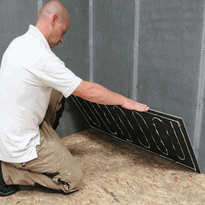
Effective impact noise reduction begins with thorough preparation of the installation area. This involves carefully assessing the current condition of the subfloor to identify any existing damage, such as cracks or uneven surfaces, which could compromise acoustic performance. Floors transmit sound in multiple directions, not just horizontally, making proper preparation crucial for soundproofing effectiveness. Clearing the space of debris, dust, and old flooring ensures a clean, smooth surface, making subsequent steps more effective. Repairing cracks, holes, and uneven areas is essential to prevent sound leaks and to provide a stable foundation for the new flooring. Careful planning of the underlayment layout is vital to achieving maximum coverage and soundproofing efficacy. Selecting the appropriate underlayment based on the type of flooring and soundproofing goals will optimise results. Cutting and fitting the materials accurately help prevent gaps where sound could escape, ensuring a consistent barrier. Securing the underlayment firmly in place during installation is crucial to prevent movement, which can compromise its acoustic properties.
Additional Strategies for Enhancing Room Acoustics
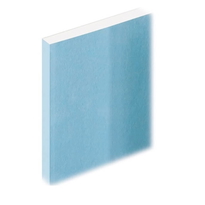
Enhancing room acoustics extends beyond proper installation techniques by incorporating strategic measures that effectively manage sound behaviour within the space. Utilising sound masking methods, such as white noise machines or water features, helps mask external noise, increasing privacy and reducing distractions. Installing soundproof drywalls or soundproof curtains made of mass-loaded vinyl can significantly contain sound, especially in areas that require high levels of confidentiality. Acoustic ceiling tiles and suspended acoustic baffling absorb unwanted reverberations in large or high-ceiling spaces, creating a more pleasant sound environment. Assessing acoustic problem areas is essential to determine the most effective solutions for each space. Diffusers, like bookshelves or wooden fence posts, scatter sound waves evenly to minimise echoes without deadening the space. Strategic furniture arrangements and acoustic partitions can redirect sound paths, helping to prevent sound from travelling directly between areas. Additionally, increasing the ceiling height can influence room volume dynamics, which plays a role in managing sound behaviour within a room. These comprehensive measures collectively refine room acoustics, fostering a balanced environment that is conducive to focused activity and effective communication. In the UK, planning these strategies with attention to local building standards and acoustical principles ensures optimal results.
Conclusion
Effective floor soundproofing in the UK necessitates careful selection of appropriate materials, such as underlays and acoustic mats, alongside the implementation of proper installation techniques to reduce impact noise. A systematic approach, which includes thorough preparation, correct layering, and sealing joints effectively, enhances acoustic performance. Additional methods, such as installing floating floors or resilient channels, can further bolster sound insulation. When these strategies are combined with meticulous execution, they deliver consistent noise reduction, contributing to quieter, more acoustically comfortable spaces.