


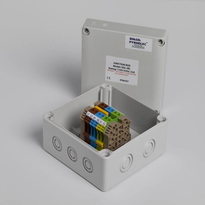
Heat Trace Cable for Pvc Pipe
Selecting the appropriate heat trace cable for PVC pipes involves considering the cable’s temperature ratings, as PVC typically has a maximum operating temperature of around 60°C. For this application, low to moderate temperature settings, such as T4 and T6, are suitable to prevent damage to the pipe and ensure safe operation.
Self-regulating cables are often preferred because they automatically adjust their heat output to prevent overheating and can easily adapt to different pipe configurations and environmental conditions. This versatility helps in achieving efficient heating without the risk of thermal runaways.
Wattage density—measured in watts per meter (W/m)—should be carefully calibrated to match the pipe’s specific heat loss. Generally, a wattage density between 5 and 20 W/m is appropriate for PVC pipes, depending on factors such as insulation, ambient temperature, and pipe diameter. Proper calculation of heat loss is essential to determine the correct cable wattage, ensuring effective and energy-efficient heat tracing.
Installation practices, including secure fixing, adequate insulation, and electrical safety measures, are crucial for reliable operation. Regular maintenance and adherence to manufacturer guidelines will help maintain system performance and safety.
By considering these detailed guidelines—temperature ratings, cable type, wattage density, and installation practices—you can ensure the heat trace system functions reliably, maintaining your PVC pipes effectively in the UK climate.
Proper Installation Techniques for PVC Pipe Heating
Proper installation of heat trace cable on PVC pipes begins with thorough surface preparation to ensure secure attachment and effective heat transfer. First, carefully clean the pipe surface, removing dirt, rust, sharp edges, and residues that could impair cable adhesion or cause damage. How Does Heat Trace Cable Work? It's important to conduct pressure testing beforehand to confirm the pipe's integrity and prevent leaks during operation. Remove any old heat tracing materials or combustible debris to create a safe, clean environment for the new installation. Additionally, inspect pipe fixtures, including flanges and valves, to plan for additional heating cable placement effectively. Ultimately, ensure that the pipe surface remains dry and stable, as this significantly enhances the adhesion of tapes and heat trace cables, resulting in a reliable and efficient heating system. Ensuring thermal contact is maintained between the cable and pipe surface is crucial for optimal performance and energy efficiency.
Selecting the Right Heat Trace Cable for PVC Applications
Selecting the right heat trace cable for PVC applications requires careful consideration of several factors, including temperature ratings, compatibility with the pipe material, and the specific conditions of the installation environment. It is essential to choose cables with low to moderate temperature classifications—such as T4 or T6—as these ratings align with PVC's thermal limits, which are generally below 60°C.
Self-regulating cables are highly recommended because they automatically adjust their heat output based on ambient conditions. This feature helps prevent overheating and reduces the risk of pipe deformation or damage. When selecting the cable's wattage density, it is important to match it accurately to the heat loss calculations for the installation. Generally, lower wattage ratings, such as 5 to 20 W/m, are preferred to ensure safety and efficiency.
A well-planned cable layout is vital for ensuring even heat distribution and avoiding hotspots. Consider the length of the pipe and the placement of fittings when designing the installation. Proper routing ensures uniform heating and optimal performance.
In addition, the material resilience of the cable—such as moisture resistance and UV stability—can greatly enhance its durability and operational reliability in diverse environmental conditions. Using cables with suitable environmental resistance qualities helps maintain system integrity over time.
When selecting a heat trace cable for PVC pipes, it is also important to consider the insulation properties of the cable to prevent heat loss and improve energy efficiency.
Insulation and Heat Distribution Best Practices
Effective insulation is essential for maintaining the efficiency of heat trace systems applied to PVC pipes, as it significantly reduces heat loss and minimizes energy consumption.
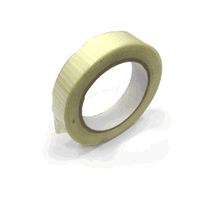
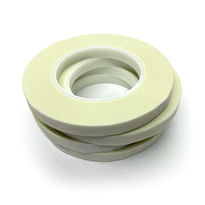
Securing heat trace cables with fiberglass tape ensures optimal contact with the pipe surface, while high-temperature aluminium tape distributes heat evenly, preventing hot spots that could damage PVC. Wrapping the tape completely around cables and pipes guarantees stability and effective heat transfer, especially when combined with spiral wraps around valves and flanges.
Properly fitting insulation materials such as fiberglass or foam around elbows and fittings minimizes gaps, avoiding thermal bridging. Planning insulation around pipe geometry and incorporating insulation coverage for complex sections ensures uniform heating, preventing localized stress and preserving the integrity of PVC pipes.
Maintenance, Safety, and Application Considerations
Maintaining heat trace cables on PVC pipes requires a methodical approach that prioritizes safety and operational reliability. Regular inspections and adherence to established procedures are essential to prevent system failures and potential hazards. Proper maintenance involves testing dielectric insulation resistance prior to insulation installation. Conduct visual inspections periodically to identify physical damage, signs of moisture ingress, or other issues that could compromise performance. Additionally, insulation resistance testing should be performed annually or semi-annually to ensure continued effectiveness. The following practices contribute to system robustness: 1. Isolate heat tracing circuits during repairs** and thoroughly recheck their functionality afterwards to mitigate electrical risks. 2. Protect cables from mechanical or thermal damage when carrying out pipe repairs or modifications, ensuring their integrity is maintained. 3. Engage qualified personnel for installation, inspection, and maintenance tasks, always following manufacturer guidelines and recommended procedures. Maintaining an appropriate installation environment and adhering to safety standards further enhances the longevity and safety of heat trace systems.
Conclusion
Using the correct heat trace cable, proper installation techniques, suitable insulation, and routine maintenance are essential for effective heating of PVC pipes. Ensuring these factors are carefully addressed minimises risks, improves efficiency, and extends the lifespan of the system. Professionals should adhere to manufacturer guidelines and industry standards to guarantee safe and reliable operation. Precise application of these practices provides a practical and durable solution for preventing pipe freezing and maintaining consistent flow conditions.