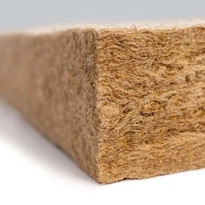
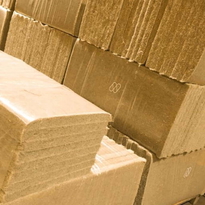
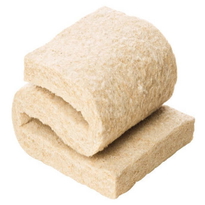
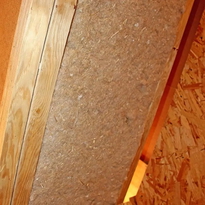
Hemp Board Insulation
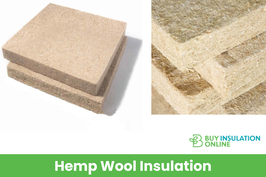
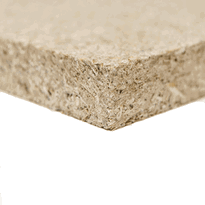
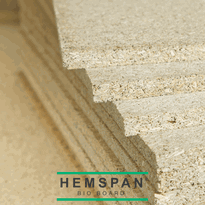
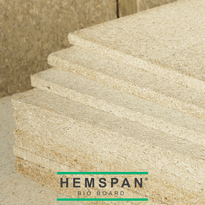
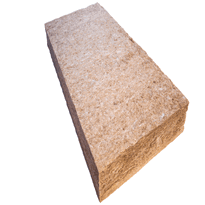
Hemp board insulation is a natural, sustainable material made from processed hemp fibres bonded with renewable or recycled binders, offering an environmentally friendly alternative to synthetic insulation. It provides excellent thermal properties with low thermal conductivity, helping to improve energy efficiency within buildings. Additionally, hemp board insulation has hygroscopic qualities, which help regulate indoor humidity levels, thereby reducing the risk of mould growth and enhancing indoor air quality.
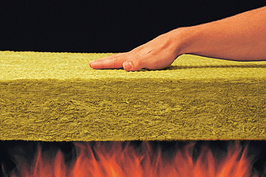
Its fire-resistant, biodegradable, and durable nature makes it particularly suitable for eco-conscious construction projects. When installed correctly, hemp boards contribute positively to thermal performance, moisture management, and overall sustainability. This versatile insulation option aligns well with modern efforts to create healthier, greener buildings throughout the UK.
Composition and Sustainability of Hemp Board Insulation
Hemp board insulation is primarily composed of fibers derived from the outer layer of the industrial hemp stem, which contains long, strong fibers suitable for constructing rigid panels. These fibers are combined with natural or recycled binding agents to create durable, eco-friendly insulation. Some formulations incorporate recycled content alongside 100% bio-based hemp fibers, promoting sustainability. In multi-layered boards, hemp cores are sometimes reinforced with wood veneers such as birch, enhancing structural integrity. The materials used are biodegradable because they originate entirely from plant sources, eliminating the need for synthetic chemicals and reducing environmental impact during disposal. Hemp cultivation’s rapid growth cycle, minimal pesticide use, and soil-rejuvenating properties make these boards highly renewable. Additionally, their natural composition supports environmentally friendly building practices, contributing to healthier indoor spaces.
Thermal Efficiency and Energy Savings
The thermal efficiency of hemp board insulation is primarily determined by its thermal conductivity, which typically ranges from about 0.08 to 0.14 W/m·K depending on factors such as density and composition. Lower conductivity values indicate better insulation, with hemp boards at around 300 kg/m³ demonstrating conductivity near 0.08 W/m·K, comparable to other bio-based materials like straw or reed. Although adding veneer layers can increase thermal conductivity, the performance remains better than standard wood-based panels of similar density. To compensate for the inherently lower insulation capacity compared to synthetic materials, thicker applications are necessary. For example, hempcrete walls often require a thickness of 300–400 mm to meet insulation standards. Hemp fibers' slight advantage over veneer in thermal resistance up to 600°Csupports their use in insulation applications. This combination of thermal resistance and mass contributes to energy savings by reducing heating and cooling loads, thereby optimizing a building’s overall energy efficiency.
Moisture Control and Indoor Air Quality Benefits
Moisture control and indoor air quality are significantly enhanced by hemp insulation due to its unique hygroscopic properties, which enable it to absorb and release moisture without compromising its insulating performance.
This moisture buffering helps stabilize indoor humidity levels, reducing conditions that promote mold growth and condensation within wall structures. As a result, hemp insulation minimizes the need for mechanical dehumidification, thereby conserving energy.
Its natural breathability limits trapped moisture and airborne spores, decreasing mold presence and improving indoor air quality. Resistant to mould Hemp's fibrous structure provides an effective barrier against mold and vermin, supporting a healthier environment.
By preventing excess moisture, hemp helps maintain a healthier environment, reducing respiratory issues and allergic reactions.
Additionally, its non-toxic, chemical-free composition ensures that indoor air remains free from harmful volatile organic compounds (VOCs).
Hemp insulation’s ability to regulate indoor humidity further contributes to a healthier living space by reducing the likelihood of mold development.
Environmental Impact and Lifecycle Advantages
Environmental Impact and Lifecycle Benefits of Hemp-Based Insulation
Hemp-based insulation materials provide notable environmental advantages, primarily due to their ability to sequester carbon dioxide (CO2) during cultivation. This process results in a net negative carbon footprint across the entire lifecycle of the product.
The rapid growth cycle of hemp—reaching maturity within just 3 to 4 months—enables sustainable biomass production that demands minimal land area, water, and pesticide use. Such efficiency makes hemp an environmentally friendly resource, supporting the UK's commitment to sustainable building practices.
In addition to the natural sequestration of CO2 during cultivation, further benefits are realized through processes like hempcrete carbonation and lime sequestration, which actively capture and store additional CO2, enhancing the overall environmental sustainability of these materials. Lifecycle assessments consistently demonstrate that hemp insulation emits fewer greenhouse gases compared to traditional insulation options.
Furthermore, the durability of hemp-based insulation often exceeds 100 years, reducing the frequency of replacements and minimizing waste and resource consumption over time.
The table below summarizes the key environmental benefits associated with hemp insulation:
Aspect |
Benefit |
Impact |
| Carbon Sequestration | Absorbs CO2 during growth | Provides long-term environmental contribution |
| Growth Cycle | Fast and resource-efficient | Minimises land use and resource consumption |
| Production Energy | Lower embodied energy | Less reliance on fossil fuels during manufacturing |
| Durability | Extended lifespan | Reduces need for replacement, decreasing waste |
Embracing hemp insulation supports a more sustainable and environmentally conscious approach to building, aligning with the UK's goals for reducing carbon emissions and promoting renewable resources.
Fire Safety, Acoustic Performance, and Installation Tips
Attaining optimal fire safety and acoustic performance with hemp board insulation necessitates strict adherence to specific installation practices that maximize these qualities. Correct installation involves an understanding of hemp's inherent fire-resistant properties, including its ability to withstand high temperatures and form a protective char layer that slows combustion. Hemp’s durability and low flammability contribute significantly to its fire-resistant performance when properly installed.
To ensure enhanced performance, consider the following steps:
Install hemp boards in dry conditions to prevent moisture retention, which could compromise the integrity of the insulation and reduce its fire-resistant qualities.
Utilize vapor barriers or ensure proper wall breathability to inhibit mold growth and maintain the insulation’s effectiveness.
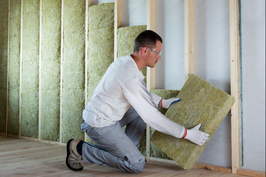
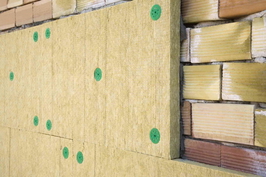
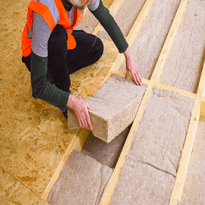
Secure hemp boards with mechanical fasteners or appropriate adhesives, ensuring a firm and stable attachment.
Finish with plaster or lime-based renders to optimize fire resistance and provide external protection against environmental factors.
Additionally, selecting the appropriate installation techniques can help maximize the acoustic benefits provided by hemp insulation, ensuring a quieter indoor environment.
Following these guidelines will produce a safer, more effective insulation system that leverages hemp’s natural fire-resistant and acoustic properties.
This approach promotes a secure and collaborative living or working environment, aligned with UK standards and best practices.
Conclusion
Hemp board insulation offers a sustainable and effective solution for indoor environments, combining excellent thermal performance, moisture regulation, and environmental benefits. Its fire resistance and soundproofing capabilities help create safe and comfortable spaces, whilst its lifecycle advantages support environmentally responsible building practices. Proper installation and an understanding of its properties are essential to ensure optimal performance and durability. By including hemp board insulation in their projects, builders and homeowners can improve energy efficiency, indoor air quality, and sustainability, making it a practical choice for modern construction and renovation initiatives in the UK.