Hemp Fiber Insulation
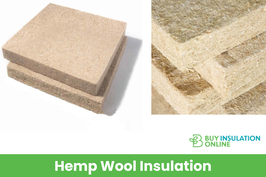
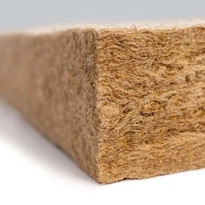
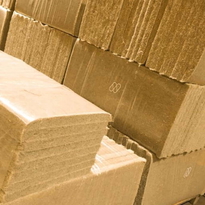
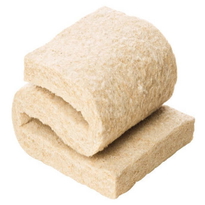
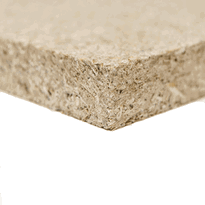
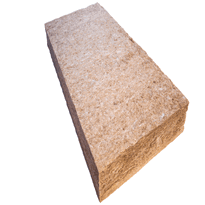
Hemp fibre insulation is a sustainable material primarily made from natural hemp bast fibres, combined with minimal binders and mineral additives. It offers excellent thermal efficiency and sound absorption, making it an effective insulator for eco-conscious buildings.
This type of insulation has a low environmental impact thanks to its negative carbon footprint, biodegradability, and low embodied energy. It supports healthier indoor environments by being free from volatile organic compounds (VOCs) and chemical additives, promoting better air quality indoors.
Hemp fibre insulation is renowned for its durability, pest resistance, and moisture management capabilities. These qualities help improve indoor comfort and ensure long-term performance in various building applications. Its eco-friendly attributes make it a popular choice for sustainable construction practices across the UK.
For those interested in environmentally responsible building, hemp fibre insulation offers a natural and effective solution, aligning with UK standards for energy efficiency and sustainability.
Material Composition and Sustainability
Hemp fibre insulation is primarily composed of bast fibres, which are soft, woody fibres extracted from the stems of the hemp plant and characterised by their high tensile strength. These natural fibres form the core component of the insulation, typically constituting around 90%, combined with approximately 10% binder material to ensure structural stability without relying on toxic additives. HempWool benefits include a negative carbon footprint, as the hemp plant absorbs more CO? during growth than is emitted during manufacturing. Additionally, hemp fibres can also be blended with other natural fibres such as sisal, coconut, flax, cotton, jute, or wood fibres, subject to specific application requirements, to enhance resilience and flexibility. Additionally, mineral additives—such as potassium, magnesium, and calcium—are sometimes incorporated alongside water during manufacturing to modify material properties. This composition highlights hemp insulation's environmental advantages, including renewability, biodegradability, and low embodied energy, making it well-suited to sustainable building practices.
Thermal and Acoustic Performance Advantages
The unique physical properties of hemp fibre insulation significantly enhance its thermal and acoustic performance within building structures. Its thermal transmittance (U-value) can be as low as 0.25 W/m²K, comparable to other high-performance insulations such as mineral wool and wood fibre boards. A 140 mm thick hemp batt typically achieves a U-value around 0.25 W/m²K, which meets UK building regulation standards. Hemp batts can be compressed to fit narrower cavities while maintaining or even improving their thermal resistance, allowing for efficient use in a variety of construction scenarios. Hemp insulation's high thermal resistance is partly due to its low thermal conductivity of 0.040 W/m·K, which helps minimize heat transfer. Thanks to its high thermal inertia thermal inertia, hemp insulation delays heat transfer, with phase shift durations of up to 10 hours or more—substantially longer than traditional insulating materials like fiberglass. This characteristic helps stabilise indoor temperatures, reducing the need for additional heating or cooling. Additionally, hemp’s natural moisture management abilities prevent thermal degradation and inhibit mould growth, thereby preserving insulation performance over time. The dense fibrous structure of hemp also provides effective sound absorption by reducing airborne sound transmission, which contributes to a quieter, more comfortable indoor environment. Its combined thermal and acoustic benefits make hemp fibre insulation an excellent choice for sustainable, energy-efficient, and comfortable buildings in the UK.
Installation and Practical Applications
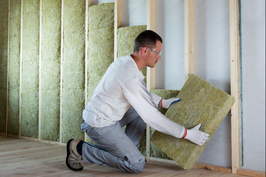
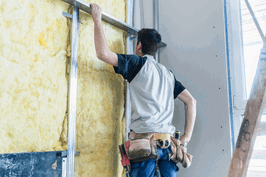
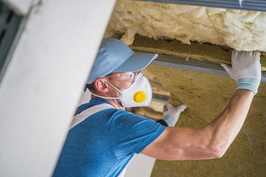
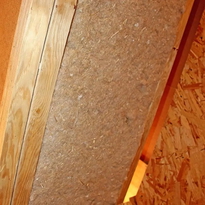
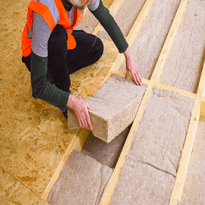
To ensure effective installation of hemp fibre insulation, it's essential to thoroughly prepare all cavity spaces by making certain they're clean, dry, and free from debris before commencing work. Proper preparation guarantees a secure, continuous thermal barrier and helps prevent moisture problems that could compromise the insulation’s performance. This preparation is vital for maintaining the integrity of insulation materials, as highlighted in sustainable building practices. It is also important to verify local building regulations and climate zone requirements, especially when installing vapour barriers such as Intello in combination with HempWool. When placing the batts, adopt a friction-fit method, slightly compressing them to utilize their inherent spring effect and achieve a tight, well-sealed fit. Cutting panels marginally larger than the cavity allows for easier installation, while small gaps can be filled with scrap pieces. For enhanced thermal efficiency, it's advisable to install multiple layers of insulation, positioned perpendicular to each other. Use appropriate tools such as saws, measuring tapes, and personal protective equipment to facilitate accurate cuts and safe handling. Ensure vapour barriers and battens are securely fixed to optimize performance and long-term durability. Proper storage of HempWool in its original packaging and avoiding exposure to moisture during installation further maintain its insulating effectiveness.
Environmental Benefits and Eco-Friendliness
Hemp fibre insulation provides considerable environmental benefits that support sustainable building practices. It acts as a carbon-negative material, absorbing more CO? during cultivation than is released during processing and installation. Additionally, the cultivation of hemp can offer economic benefits to local communities by providing alternative crop options. Hemp cultivation can also help remediate contaminated soils, making it a versatile environmental crop. By choosing hemp insulation, the environmental impact compared to traditional options is reduced by over 90%, owing to its low energy consumption, minimal chemical requirements, and ability to sequester carbon over the long term. The cultivation process of hemp involves several eco-friendly practices: - Requiring less water and avoiding the use of pesticides, - Growing on marginal land, which helps prevent deforestation, - Improving soil health through natural nutrient replenishment, - Promoting crop diversification, which enhances agricultural resilience. In addition, hemp fibre insulation is biodegradable, reducing waste sent to landfills, and its natural, chemical-free composition ensures safer indoor environments. Biodegradable materials and natural, chemical-free components make hemp fibre insulation a sustainable choice that aligns with the broader goals of resource conservation and eco-friendly construction. Collectively, these qualities demonstrate hemp fibre insulation’s crucial role in fostering eco-friendly and sustainable building methods in alignment with UK climate and resource management objectives.
Durability and Indoor Health Benefits
Hemp fibre insulation offers notable durability and health advantages, making it an excellent choice for UK homeowners. Its natural properties enable it to sustain performance over many years without deterioration.
Hemp insulation exhibits high durability and structural stability, resisting settling or compression that can reduce effectiveness in other materials.
The fibres' inherent strength ensures resilience against mechanical stresses and environmental influences, supporting long-term functionality. Moreover, hemp’s vapour permeability allows it to adapt to the UK's varying climates, helping to prevent moisture retention and mould development.
As a non-toxic, hypoallergenic material free from volatile organic compounds (VOCs) and synthetic chemicals, hemp insulation greatly enhances indoor air quality. Its natural composition reduces allergen presence, supports moisture regulation, and inhibits mould growth.
Hemp’s natural resistance to pests and mold further contributes to its durability, reducing the need for chemical treatments and maintenance. This characteristic aligns with environmentally friendly building practices and ensures that the insulation remains effective with minimal upkeep.
Together, these qualities contribute to a healthier, more stable indoor environment that maintains its thermal and acoustic performance over many decades.
Conclusion
Hemp fibre insulation provides a sustainable and efficient solution for thermal and acoustic insulation, combining natural material properties with ecological benefits. Its robustness ensures long-lasting performance, while contributing to healthier indoor air quality by reducing allergens and airborne pollutants. The installation process is straightforward, making it suitable for a variety of applications in both residential and commercial buildings. Overall, hemp fibre insulation is a reliable, environmentally friendly choice that aligns with sustainable construction practices and supports the well-being of occupants.