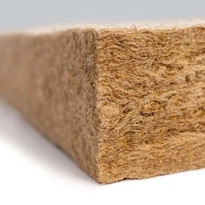
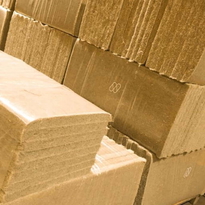
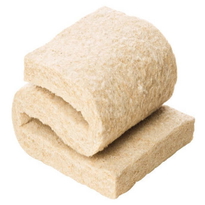
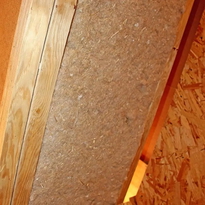
Hemp Insulation Blocks
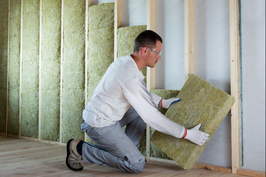
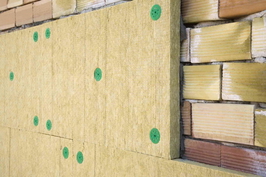
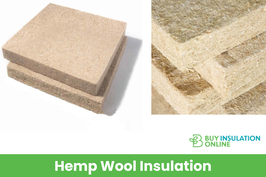
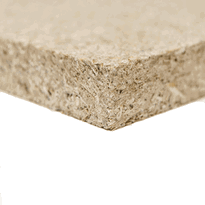
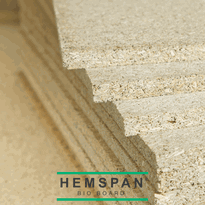
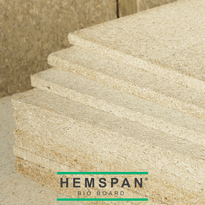
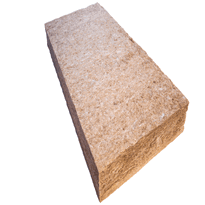
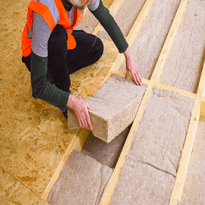
Hemp insulation blocks are environmentally friendly building materials recognized for their excellent thermal performance, moisture regulation, and sound insulation properties. They offer effective thermal insulation with U-values typically around 0.17 W/m²·K and can withstand fire for up to 240 minutes, ensuring safety and durability. Their natural, breathable composition helps to maintain healthy indoor air quality and manage humidity levels, supporting sustainable construction practices. Understanding these characteristics allows for better application and benefits in eco-conscious building projects across the UK.
Thermal Performance and Energy Efficiency
How well does hemp insulation perform in terms of thermal regulation and energy efficiency within buildings? Hemp insulation, primarily in the form of hempcrete, demonstrates a thermal conductivity ranging from 0.06 to 0.07 W/m·K, which compares favorably with many conventional insulation materials.
A standard 350mm hempcrete wall typically has a U-value around 0.17 W/m²·K, indicating strong resistance to heat transfer. When installed correctly, hempcrete’s performance often exceeds laboratory expectations, offering effective thermal performance in practice.
Hempcrete also contributes thermal mass through its lime binder, serving as a heat storage medium that helps buffer internal temperatures. This combination of insulation and thermal mass reduces the need for heating and cooling, which in turn lowers energy consumption and enhances the building’s overall energy efficiency.
Additionally, hempcrete's natural properties can contribute to moisture regulation within buildings, further supporting its performance in improving indoor air quality. Such performance supports sustainable building practices by helping to minimize reliance on mechanical heating and cooling systems, ultimately contributing to a more environmentally responsible approach to construction in the UK.
Moisture Control and Indoor Air Quality
Hemp insulation possesses inherent hygroscopic properties that play a vital role in managing indoor moisture levels. It absorbs excess moisture when humidity rises and releases it as conditions dry out, helping to maintain a balanced indoor environment. The hemp/lime composite creates a breathable, hygroscopic, flexible matrix, which further enhances its moisture-regulating capabilities. This process doesn't compromise the insulation’s thermal performance, ensuring consistent efficiency. Its vapour permeability allows moisture to transfer through walls, preventing condensation build-up and reducing the risk of mould growth and timber decay. The breathing structures within hemp blocks facilitate continuous vapour diffusion, promoting healthier indoor air by limiting dampness-related allergens and odours. This moisture regulation naturally helps stabilise indoor humidity, reducing the need for artificial dehumidification and climate control systems. Thereby supporting more energy-efficient and comfortable living spaces. As a result, hemp insulation actively contributes to healthier, more durable interiors.
Acoustic Insulation and Noise Reduction
Acoustic insulation and noise reduction are vital considerations in building design, particularly in environments where sound clarity and privacy are paramount. Hemp insulation materials excel in these areas due to their high sound absorption coefficients, with hemp wool and blocks demonstrating superior noise absorption compared to traditional materials such as glass fibre and mineral wool. Hemp wool’s sound absorption surpasses fiberglass and is comparable to cellulose fiber. Hemp blocks, in particular, offer acoustic attenuation levels of up to 44 dB, significantly reducing transmission of external noise into indoor spaces. The structural density and porosity of hemp products enhance their capacity to dissipate sound energy, especially at mid-to-high frequencies. Moreover, increasing the concentration of hemp fibres within the insulation further improves acoustic performance, making it well-suited for sensitive environments such as music studios or residential buildings. Hemp-based insulation presents an effective and sustainable solution for creating quieter indoor environments. It not only aids in noise reduction but also contributes to maintaining insulation properties and thermal efficiency within buildings.
Fire Safety and Structural Resilience
The fire safety and structural resilience of hemp insulation blocks are supported by their inherent physical properties and engineered design features, which enable them to withstand high temperatures and maintain structural integrity during fire incidents. Made of natural, non-toxic materials, these blocks do not release harmful substances when exposed to heat, further enhancing their safety profile.
A fire-resistant material like hempcrete contributes to safer building environments by preventing rapid fire spread and reducing smoke hazards.
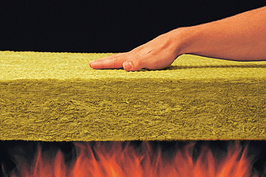
Hemp blocks offer fire resistance ranging from approximately 45 minutes for thinner blocks (7.5 cm) to up to 240 minutes for thicker blocks (36 cm) with render on the exposed side, qualifying them as high-performance fire-resistant materials.
They meet rigorous fire safety standards, including fire reaction classifications such as B, S1, d0, indicating non-flammability and the absence of toxic fumes during combustion.
Independent testing confirms that hempcrete walls can resist temperatures of around 900°C for over an hour without structural failure, ensuring safety and durability in fire scenarios.
Their inherent properties, combined with thoughtful design, make hemp insulation a reliable and sustainable choice for enhancing fire safety and structural resilience in buildings across the UK.
Environmental Benefits and Sustainable Building Practices
Using hemp-based insulation significantly enhances the sustainability profile of building projects by actively reducing carbon emissions and supporting ecological health.
Hemp is a carbon-negative crop, sequestering CO? during rapid growth, making hemp insulation a net carbon sink. Replacing traditional materials such as concrete or steel with hemp blocks reduces embodied carbon, which is crucial given that the construction sector contributes approximately 37% of global CO? emissions.
Hemp cultivation’s fast growth enables rapid renewability and sustainable biomass supply. Additionally, hemp insulation blocks are biodegradable, decomposing naturally without harmful residues, thereby supporting circular economy principles and reducing construction waste.
Their natural composition eliminates toxic emissions upon degradation, and they promote healthier indoor environments by improving air quality. Hemp absorbs more carbon per hectare than many other crops, which further reinforces its environmental benefits.
Furthermore, hemp's breathability and moisture regulation properties help prevent condensation issues within building structures, enhancing durability and indoor air quality. These qualities together foster environmentally responsible building practices that align with sustainability and ecological conservation efforts.
Conclusion
Hemp insulation blocks offer many significant benefits, including high thermal efficiency, effective moisture regulation, and excellent soundproofing qualities. They also contribute to fire safety and enhance the structural resilience of buildings. Their environmentally sustainable production process reduces the carbon footprint and supports eco-friendly construction practices. When integrated into building projects, hemp insulation helps improve energy performance, promote healthier indoor air quality, and ensure long-term durability. Careful consideration of these advantages highlights their value as a practical, sustainable choice for modern UK construction, focused on safety, efficiency, and environmental responsibility.