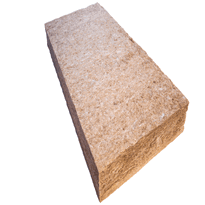
Hemp Insulation for Sale
Hemp insulation for sale is available through specialized eco-friendly building supply stores, online retailers, and directly from manufacturers or regional distributors across the UK. Renowned for its high thermal and acoustic performance, hemp insulation is a sustainable choice that supports environmentally responsible building practices. Hemp grows quickly, absorbs carbon dioxide, and requires minimal water and no pesticides, making it an ideal eco-friendly material.
This type of insulation is biodegradable, moisture resistant, and naturally pest-resistant, contributing to a healthier indoor environment. When selecting the most suitable hemp insulation, consider factors such as its thermal resistance (K-value), moisture management capabilities, and overall environmental impact. Further detailed insights on these options can guide you in making an informed choice for your project.
Benefits of Choosing Hemp Insulation
Choosing hemp insulation offers numerous environmentally sustainable and health-related advantages. Hemp plants grow quickly, reaching maturity within 90 to 120 days, allowing for frequent harvests that provide a renewable raw material. They require minimal water and don't need pesticides or insecticides, which helps reduce environmental contamination. During their growth cycle, hemp acts as a carbon sink, absorbing significant amounts of carbon dioxide from the atmosphere. Moreover, the production process consumes substantially less energy—around fourteen times less—compared to synthetic alternatives such as polyurethane. Hemp’s rapid growth cycle enables multiple harvests per year, increasing its availability as a sustainable resource. Hemp insulation is fully biodegradable and compostable at the end of its lifecycle, leaving no toxic waste behind and supporting environmental health. Its natural fibres don't contain volatile organic compounds, thereby improving indoor air quality. Additionally, hemp’s hypoallergenic, mould, bacteria-, and insect-resistant properties contribute to healthier living environments, making it an excellent natural insulation material. These qualities make hemp insulation a practical and responsible choice, particularly suitable for environmentally conscious communities across the UK.
Performance and Application of Hemp Insulation
Hemp insulation demonstrates a high level of performance in thermal regulation and suitability for various building applications, making it a practical choice for modern construction and renovation projects. Its thermal resistance typically reaches a thermal conductivity (K-value) of around 0.040 W/m·K, comparable to standard materials such as glass fibre and mineral wool.
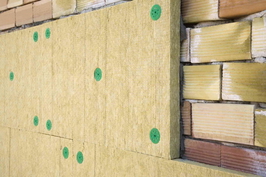
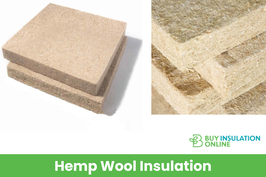
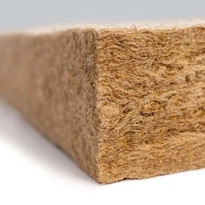
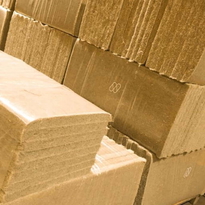
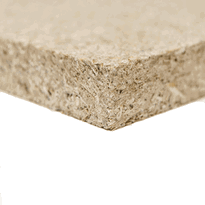
Panel options vary from approximately 50 mm to 200 mm thick, catering to different thermal requirements.
Hemp fibres effectively maintain insulation properties even after exposure to moisture, thanks to their natural hygroscopic qualities. This moisture-absorbing capacity allows buildings to breathe through vapour permeability levels of approximately 37 perms, reducing the risks of condensation and mould growth.
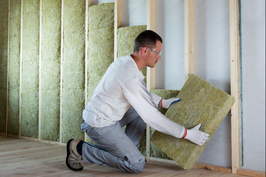
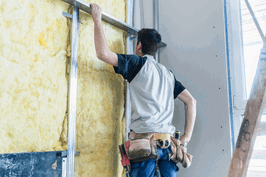
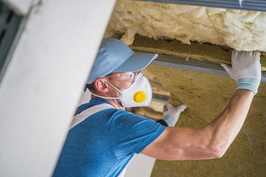
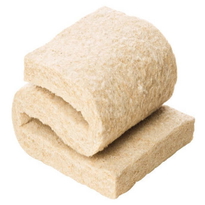
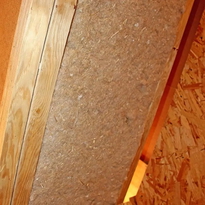
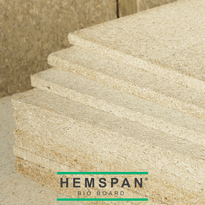
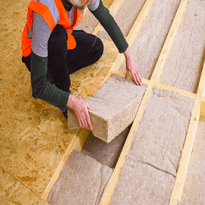
When installed as batts or panels, hemp fits securely within framing structures, providing stability and facilitating straightforward installation.
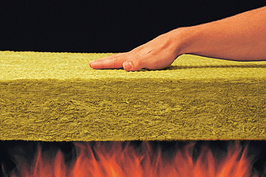
Its moderate fire resilience, combined with non-toxic and environmentally friendly properties, supports the creation of safe and durable indoor environments. Hemp insulation is also naturally pest-resistant. Consequently, hemp insulation is suitable for a wide range of architectural styles and sustainable building projects across the UK.
Environmental Advantages of Hemp-based Products
Hemp-based products provide notable environmental benefits, largely owing to their natural capacity to sequester carbon dioxide during cultivation. This process directly contributes to reducing atmospheric greenhouse gases. Specifically, hemp can absorb over 9 tonnes of CO2 per hectare annually, making it an efficient means of biosequestration. Its rapid growth enhances this ability, outperforming many traditional crops and some tree species in sequestering carbon. Furthermore, hemp cultivation requires relatively low inputs of water and pesticides, which helps to conserve resources and reduce environmental pollution.
In addition, hemp insulation materials are biodegradable, decomposing naturally without leaving harmful residues. This supports waste reduction efforts and aligns with circular economy principles, reducing long-term landfill contributions. Hemp also diminishes dependency on petrochemical-derived materials, thereby lowering associated greenhouse gas emissions and pollution levels. The utilization of hemp fibers in construction materials further contributes to the development of eco-friendly building practices, promoting sustainability across industries.
Utilizing hemp in construction and insulation promotes sustainable building practices, contributing to a healthier environment. Its high biomass production, coupled with its environmental versatility, underscores the importance of hemp-based products in advancing greener, more sustainable industries.
The table below summarizes these environmental advantages:
Feature |
Environmental Benefit |
| Carbon Sequestration | Lowers atmospheric CO2 levels |
| Biodegradability | Reduces long-term waste and pollution |
| Reduced Petrochemical Use | Decreases emissions from synthetic materials |
| Sustainable Insulation | Supports eco-friendly building solutions |
Where to Buy Hemp Insulation and How to Choose the Right Type
Consumers interested in hemp insulation will discover that specialized eco-friendly building supply stores are among the main sources for purchasing these products, as they typically stock various types and sizes suitable for sustainable construction projects. Online retailers specializing in environmentally conscious materials also carry hemp batts, hempcrete, and related products, often offering a broader selection and discounts for bulk purchases. Direct purchasing from manufacturers or hemp insulation brands can provide customized sizes and competitive pricing advantages. Local distributors in hemp-growing regions support regional economies and help lower transportation emissions. When choosing hemp insulation, it's vital to consider its thermal conductivity, moisture management, sound absorption qualities, fire resistance, and environmental impact. Selecting the appropriate insulation type based on the climate, building design, moisture levels, and installation requirements ensures optimal performance and long-term benefits for a sustainable building systematic approach. Additionally, understanding the sustainability credentials of hemp insulation, such as its carbon sequestration capabilities and biodegradability, can further inform environmentally responsible selection.
Conclusion
Hemp insulation offers a sustainable, effective, and environmentally friendly solution for building projects in the UK. Known for its excellent thermal performance and durability, hemp insulation can significantly enhance the energy efficiency of modern buildings.
By understanding its benefits, applications, and sourcing options, consumers can make informed choices to support eco-conscious construction. Selecting the right product based on its specifications and suitability for specific needs ensures optimal results. Incorporating hemp insulation contributes to sustainable development and promotes healthier, more energy-efficient buildings.
Whether for new builds or retrofit projects, hemp insulation is gaining popularity as a practical and eco-friendly material that aligns with the UK’s commitment to reducing ecological impact and embracing greener construction practices.