Hemp Insulation Manufacturers
Leading hemp insulation manufacturers in the UK include Biofib’Isolation, Thermo-Hanf, Thermafleece, Hemp Inc., and Hemp Flax Group. Each of these companies specializes in producing innovative, eco-friendly materials that aim to reduce environmental impact while enhancing building performance.
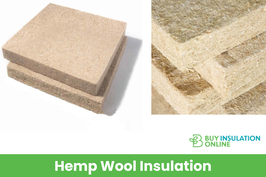
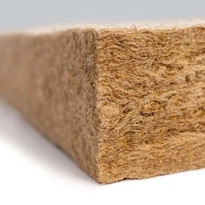
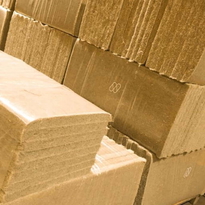
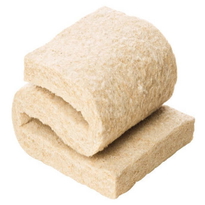
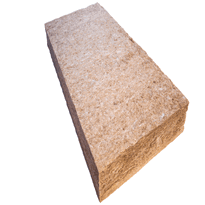
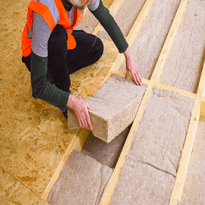
These firms develop a range of products such as batts, loose fill, and boards. Their offerings provide notable benefits, including improved thermal efficiency, effective moisture regulation, and enhanced fire resistance. Many of these manufacturers operate on renewable energy sources and utilize sustainable raw materials, supporting efforts to combat climate change and promote healthier indoor environments.
Continued exploration within this industry reveals how these companies drive growth through collaborative efforts and technological advancements. Their dedication to sustainability and innovation continues to shape the future of eco-friendly construction materials across the UK.
Leading Companies in Hemp Insulation Production
Several leading companies dominate the production of hemp insulation across the UK and worldwide, each bringing unique innovations and regional expertise to the industry. Biofib’Isolation is recognized for its focus on improving thermal performance and sustainability during manufacturing processes. Their products emphasize eco-friendly sourcing and energy-efficient production methods, aligning well with environmentally conscious building practices. Thermo-Hanf, a European-based firm, is noted for developing hemp insulation solutions that are fire-resistant and water-resistant. These qualities address critical safety standards and enhance durability, making their products suitable for a range of building applications. Thermafleece primarily targets eco-conscious builders across the UK and Europe. They offer hemp insulation products that comply with stringent environmental standards, supporting sustainable construction projects and low-impact building practices. Hemp Inc., a leading global hemp fiber producer, has integrated its extensive fiber resources into the insulation market. This enables large-scale production of high-quality hemp insulation suited for diverse building needs. Hemp Flax Group specializes in industrial hemp fiber processing, supplying raw materials used in various insulation applications. Their expertise helps ensure a consistent, sustainable supply chain for the industry. Innovative fiber processing and investments in new technology are also helping to improve product quality and expand their market reach. Together, these companies are driving innovation in hemp insulation, effectively meeting regional demands while supporting the UK’s move towards greener, more sustainable building solutions.
Sustainability Benefits of Hemp Insulation Manufacturers
Hemp insulation manufacturers play a crucial role in promoting sustainability through a range of environmental, economic, and health benefits. Firstly, hemp fibers can sequester over 9 tonnes of CO? per hectare, significantly contributing to the reduction of atmospheric carbon levels. This natural process helps combat climate change and promotes cleaner air.
Secondly, the use of hemp insulation can diminish the environmental impact of building materials by 90% or more compared to traditional options such as mineral wool or foam-based insulations. This substantial reduction supports the UK’s efforts to adopt greener construction practices and minimize carbon footprints.
Thirdly, many hemp manufacturing facilities operate on renewable energy sources—up to 75% in some cases—further lowering the overall carbon emissions associated with production. These sustainable practices help create a greener supply chain and minimize environmental harm.
Additionally, hemp insulation contributes to healthier indoor environments by improving air quality without introducing harmful chemicals often found in conventional materials. It also encourages the development of localised industries and supports rural economies. The use of biodegradable and renewable materials aligns with sustainable [manufacturing processes](https://www.buyinsulationonline.co.uk/brand/thermfleece) to further reduce environmental impact.
Together, these factors underscore that hemp insulation is a practical, environmentally responsible choice that aligns with the UK’s commitment to sustainability and a greener future.
## Innovations and Trends Among Industry Leaders
Innovations and Trends Among Industry Leaders
Industry leaders in hemp insulation are actively driving innovation and technological advancements to improve product performance and reduce costs. Companies such as Biofib’Isolation, Thermo-Hanf, and Hempitecture are at the forefront, focusing on developing a variety of product forms—including loose fill, batts, and boards—that meet diverse application needs.
Research and development efforts are centered on enhancing thermal efficiency, sound absorption, and moisture regulation. These companies are employing advanced techniques such as machine learning and techno-economic analyses to optimize manufacturing processes, aiming to increase production efficiencies, lower costs, and improve material quality. Innovations in processing techniques are also enabling the development of composite materials and improving fire and moisture resistance. Furthermore, the integration of sustainable raw materials into manufacturing processes is becoming a key focus to reduce environmental impact and meet increasing market demand for eco-friendly products.
Despite ongoing challenges such as high initial investment costs and limited infrastructure, proactive investments, policy support, and continuous technological progress present promising opportunities for scaling production. Industry leaders are strategically expanding their operations and forming collaborations aimed at shaping market dynamics and fostering sustained growth within this expanding sector.
This focus on innovation underscores a commitment to sustainable building practices and the adoption of eco-friendly materials across the UK. As the sector evolves, hemp insulation is poised to play a significant role in achieving energy-efficient, environmentally responsible construction solutions.
Collaborations and Industry Networks in Hemp Building
Collaboration and networking are essential for advancing hemp building within the UK industry. By bringing together different sectors, these efforts facilitate the sharing of knowledge, resources, and expertise necessary for sustainable growth. Industry associations such as the UK Hemp Building Association support education and advocacy through organizing conferences and webinars that connect manufacturers, builders, architects, and policymakers. International organizations, including the International Hemp Building Association (IHBA), promote global cooperation by providing forums for the exchange of information on hemp material production and regional architectural requirements. Such international engagement helps the UK industry align with best practices and foster innovation. Regional and local networks play a crucial role in strengthening supply chains by fostering cooperation among farmers, processors, and manufacturers. These collaborations reduce transportation distances, enhance local resilience, and support community-based development. Examples include local coalitions dedicated to establishing reliable supply networks and regional trade events that facilitate knowledge sharing and business networking. Through these collaborative efforts, standards are improved, regulatory approvals are streamlined, and sustainable growth is supported. Additionally, active participation in international symposia, such as the 13th International Hemp Building Symposium, offers UK industry stakeholders invaluable opportunities to learn from pioneering efforts around the world and incorporate innovative solutions into local practices. Building these industry networks also creates space for ongoing research and development, which can lead to the commercialization of new hemp insulation products. Ultimately, industry stakeholders working together help to expand the application of hemp insulation and other hemp-based building products across the UK, driving forward environmentally friendly construction practices.
Conclusion
Hemp insulation manufacturers demonstrate a clear commitment to sustainability, innovation, and industry collaboration, contributing significantly to environmentally friendly building practices. By focusing on advanced production techniques and forming strategic partnerships, these companies are increasing the availability and performance of hemp-based insulation. Their efforts support energy efficiency and environmental benefits, providing reliable options for sustainable construction projects. Continued innovation and cooperation within the industry will further strengthen hemp insulation’s role in reducing the carbon footprint of the UK building sector.