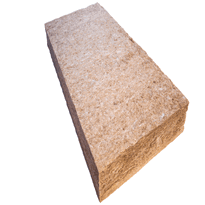
Hemp Wood Fibre Insulation
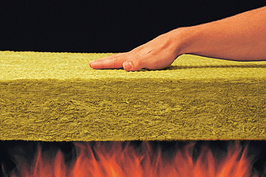
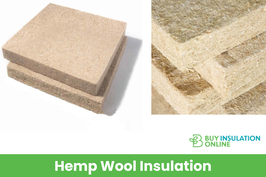
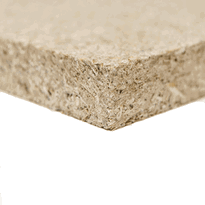
Hemp wood fibre insulation offers excellent thermal resistance, with U-values comparable to other natural materials, effectively reducing heat transfer within buildings. It naturally absorbs and releases moisture without compromising its performance, helping to buffer humidity changes and resist mould growth—thus ensuring the longevity of the insulation. Its fibrous texture also provides notable acoustic benefits by reducing noise levels indoors. From an environmental perspective, hemp cultivation requires minimal water, does not rely on pesticides, and actively sequesters carbon, supporting sustainable building practices.
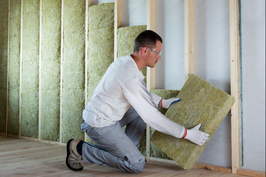
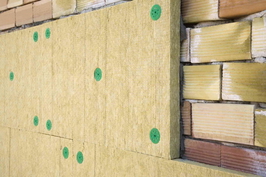
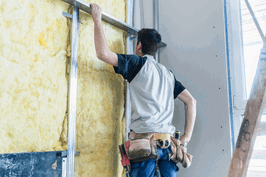
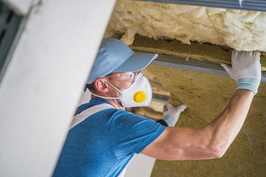
For optimal installation, it is important to ensure that panels are tightly fitted and that gaps are carefully sealed to prevent heat leaks. Proper installation can enhance the insulation’s effectiveness and contribute to improved energy efficiency. Attention to detail during fitting not only maximizes performance but also extends the lifespan of the insulation system.
Thermal Efficiency and R-Values of Hemp Insulation
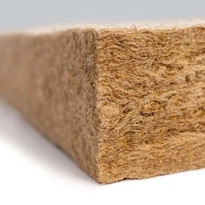
Hemp fibre insulation typically has a thermal resistance (measured in K-value) between 0.26 and 0.29 W/mK, which is comparable to natural options like sheep’s wool and wood fiber. HempWool, specifically offering around 0.26 W/mK, performs well against common insulations such as fibres like glass fibre and mineral wool, even though glass fibre insulation often has a higher nominal thermal resistance. Its dense, fibrous structure creates air pockets that reduce heat transfer and resist compression, maintaining its performance over time. Tests conducted in controlled heat and moisture chambers demonstrate that hemp insulation often exceeds the real-world thermal performance of glass fibre insulation, thanks to its thermal inertia and phase shift resistance. This high thermal mass helps regulate indoor temperatures more effectively by slowing heat flow through walls. Additionally, hemp insulation's resistance to moisture-related issues reduces the risk of mold and structural damage over its lifespan.
Moisture Management and Longevity
Hemp wood fibre insulation exhibits commendable resilience and stability when exposed to fluctuations in indoor moisture levels, making moisture management a significant advantage of its performance. This material effectively absorbs and releases moisture, capable of handling up to 15% of its weight without compromising its insulating properties. Its hygroscopic nature helps prevent condensation by buffering rapid changes in humidity, reducing the risk of mould growth and associated deterioration within wall cavities. Natural fibers like hemp can help regulate indoor humidity levels, contributing to healthier living environments. Additionally, its natural resistance to mould and microbial growth extends its lifespan, even in more humid environments. The inherent durability of hemp fibre ensures the maintenance of structural integrity over many decades, resisting decay and degradation better than many other natural alternatives. Compared to synthetic insulations, hemp consistently maintains its performance over time, supporting sustainable building practices while providing a reliable, long-term solution for maintaining indoor comfort and health.
Acoustic Performance and Noise Reduction
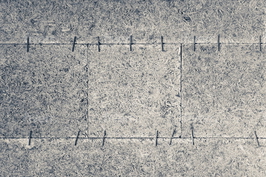
The dense, fibrous structure of hemp wood fibre insulation plays a significant role in enhancing noise reduction and acoustic comfort within buildings. Its porous composition absorbs sound waves by trapping them within the microstructure of the material, thereby effectively reducing reverberation and airborne noise. Thermal and acoustic benefits are often combined in hemp insulation, making it a versatile choice for building projects aiming for both energy efficiency and soundproofing. High-density hemp boards provide improved performance at low frequencies, often achieving reductions of up to 12.5 dB at 250 Hz. Though the effectiveness varies with the density of the material and the frequency of the sound, hemp insulation generally compares well with other materials such as mineral wool and plant-based fibres. It often surpasses traditional fibres like fibre glass in both sound absorption and water resistance. The fibrous, porous nature of hemp wood fibre insulation allows it to dissipate sound energy across a broad range of frequencies, increasing its sound absorption capacity and suitability for diverse environments. This makes it well-suited for use in urban environments or locations where noise sensitivity is an important consideration.
Environmental Benefits and Sustainability
Due to its rapid growth cycle and minimal environmental impact, hemp is a highly sustainable crop for insulation production, offering notable environmental advantages over conventional materials. Hemp plants mature within just 3 to 4 months and can absorb up to 2,950 kilograms of biogenic carbon per hectare, making them exceptionally effective for carbon sequestration. This process captures CO? within the fibre, thereby helping to reduce overall emissions associated with building materials. Hemp’s fast growth rate further reduces the need for extensive land use. Hemp cultivation requires very little water and doesn't necessitate the use of pesticides or herbicides, supporting sustainable farming practices and enhancing soil health by preventing erosion and replenishing nutrients. Additionally, the natural composition of hemp fibres contributes to biodegradability and facilitates composting, reducing long-term waste in landfills. Its renewable nature diminishes reliance on fossil fuels and aligns with circular economy principles, thereby supporting global efforts to lower carbon emissions.
Installation Considerations and Building Compatibility
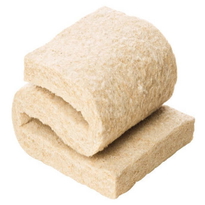
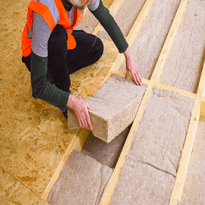
Installation considerations for hempwool insulation primarily involve selecting appropriate techniques and tools that ensure effective and sustainable integration within the building structure. Hempwool is similar to mineral wool batts but causes no skin irritation, allowing manual or power tools such as electric saws and cutting discs to be used safely.
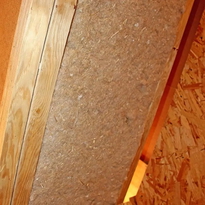
The thickness of hempwool should be chosen based on the desired thermal performance and the depth of the joists. The material compresses slightly during installation but regains its shape thanks to its spring effect, ensuring a snug, friction-based fit within the cavity.
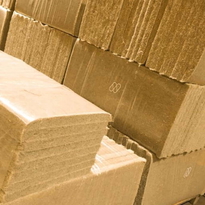
When installing panels, they should be tightly joined at junctions to maintain continuity and prevent gaps that could compromise insulation performance. Proper installation includes sealing any gaps or overlaps and ensuring the insulation remains uncompressed to achieve optimal thermal values.
In layered applications, especially in attic spaces, placing perpendicular layers can maximize the U-value and minimise thermal bridging, contributing to more effective insulation.
Proper sealing around the edges of the insulation, adequate ventilation, and compatibility with framing systems are vital aspects of installation. These measures help to optimize thermal efficiency, prevent condensation issues, and ensure long-term durability of the insulation system.
Additionally, verifying that the insulation does not obstruct vents or airflow pathways is essential for maintaining proper building ventilation and avoiding moisture problems during installation.
Conclusion
In conclusion, hemp wood fibre insulation provides reliable thermal performance, excellent moisture management, and effective soundproofing. Its environmental benefits include sustainability, a low embodied energy, and biodegradability. Proper installation is essential, requiring an understanding of building compatibility and use of appropriate techniques to maximise longevity and effectiveness. Overall, hemp insulation presents a practical, durable, and environmentally friendly choice for modern construction in the UK, provided that installation practices are correctly followed and the material’s properties are thoroughly understood to ensure long-term performance.