Hempcrete Insulation Value
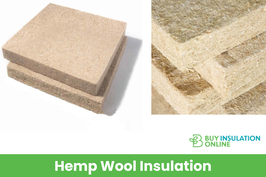
Hempcrete provides excellent insulation properties, with a thermal conductivity ranging from 0.06 to 0.07 W/mK. For a wall thickness of 350mm, this results in a U-value of approximately 0.17 W/m²K. This level of insulation effectively reduces heat transfer, enhances energy efficiency, and supports the maintenance of stable indoor temperatures.
Additionally, hempcrete's moisture management capabilities and durability contribute to the longevity of buildings and improve indoor air quality. As we continue to explore this material, it becomes clear that hempcrete offers not only environmental benefits but also practical applications that are well-suited to UK construction standards.
Thermal Performance and Energy Efficiency
Hempcrete consistently demonstrates strong thermal performance and energy-efficient characteristics, making it a viable material for sustainable building insulation. Its thermal conductivity ranges from 0.06 to 0.07 W/mK, indicating excellent insulating properties. The typical U-value for a 350 mm thick wall is around 0.17 W/m²K, offering effective thermal resistance comparable to other insulants. A standard wall thickness of 350mm is often used to achieve these results in new builds. In situ measurements reveal a U-value of approximately 0.17 W/m²K, which surpasses the performance of traditional concrete walls of similar thickness. This excellent thermal performance results in a notable reduction in heat transfer—up to 26%—compared to conventional brick walls, as confirmed by simulation studies. Additionally, hempcrete’s capacity to store and regulate heat means it acts somewhat like a thermal battery. It absorbs excess heat during the day and releases it during cooler periods, helping to maintain stable indoor temperatures. This ability to regulate indoor climate contributes to reduced energy consumption and improves overall energy efficiency, making hempcrete an attractive choice for sustainable building projects across the UK. Moreover, its breathable nature helps manage moisture and prevent mold issues, further enhancing indoor air quality and building durability.
Moisture Control and Indoor Air Quality
Moisture control is a crucial aspect of building performance, impacting both indoor air quality and the structural integrity of the construction. Hempcrete’s vapor permeability allows moisture to pass through the walls, preventing water accumulation that could lead to mold and rot. Its microporous structure enables effective absorption and release of moisture, helping to maintain balanced humidity levels and reducing condensation risks. Hempcrete can absorb up to 20% of its weight in water without losing its insulation properties, acting as a buffer for indoor humidity and minimizing dampness that fosters mold growth. Proper moisture management contributes to the overall durability of hempcrete, and integrating render carrier boards can further enhance moisture resistance in external wall systems.
Durability and Environmental Benefits
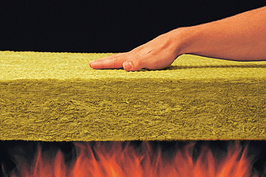
The durability of hempcrete stems from its natural resistance to a variety of environmental factors, enhancing the longevity and safety of buildings constructed with this material. Hempcrete offers excellent moisture resistance, helping to prevent damage caused by damp conditions common in the UK climate. Its fire resistance further boosts safety while maintaining structural integrity.
Additionally, it's resistant to insect attacks, reducing risks associated with organic materials. Hempcrete also exhibits effective thermal damping within a temperature range of 15°C to 35°C, which helps minimize stress on structural components and improves overall performance. Soundproofing techniques can enhance the material's acoustic properties when integrated into walls and ceilings.
The mechanical strength of hempcrete supports its application in non-load-bearing functions, ensuring stability over time. Its low embodied carbon footprint and biodegradability contribute significantly to environmental sustainability.
Moreover, hempcrete can seamlessly integrate with other construction materials and perform efficiently across a variety of UK climates.
Conclusion
Hempcrete provides a sustainable insulation option with competitive thermal performance, contributing to energy efficiency in buildings. Its thermal conductivity, expressed through its K-value, supports effective temperature regulation, helping to maintain comfortable indoor environments. The material’s moisture-regulating properties aid in managing indoor humidity levels, promoting healthy indoor air quality. Its durability ensures long-term stability and resistance to decay, reducing the need for frequent repairs or replacements. Additionally, hempcrete’s renewable composition offers significant environmental benefits by decreasing reliance on non-renewable materials and lowering greenhouse gas emissions. Overall, hempcrete represents a practical, effective choice for improving building insulation and advancing environmental sustainability across the UK.