Lime Hemp Insulation
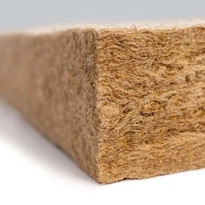
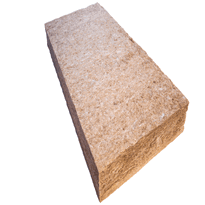
Lime hemp insulation, commonly referred to as hempcrete, is a sustainable building material that combines hemp hurds with lime-based binders. It is recognized for its lightweight nature and excellent thermal insulating properties, effectively reducing U-values and enhancing the energy efficiency of buildings.
The material’s porous structure allows for natural moisture regulation, helping to prevent condensation and mould growth. Additionally, its acoustic performance benefits from its capacity to absorb sound, resulting in quieter interior environments.
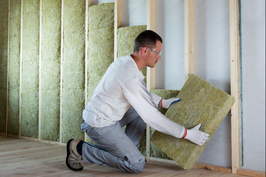
Lime hemp insulation is typically applied through casting or by forming into blocks. Proper curing and moisture management are essential during installation to ensure long-term durability and performance. Understanding the best installation practices and available formulations can help optimize the use of lime hemp insulation in eco-friendly construction projects.
For those seeking sustainable building solutions within the UK, lime hemp insulation presents an effective and environmentally responsible choice. Further exploration into its application techniques can provide valuable insights for builders and homeowners committed to greener renovation and construction.
The Composition and Sustainable Advantages of Hempcrete
Hempcrete is a biocomposite material composed primarily of hemp hurds, a natural fibre derived from the stalk of the hemp plant, combined with a lime-based binder that includes hydrated lime or natural hydraulic lime. Its composition results in a lightweight, durable, and cementitious material suitable for non-load-bearing walls and insulation infill. The silica content in hemp hurds bonds effectively with lime through natural chemical compatibility, enhancing overall stability. The lime binder plays a critical role, setting through carbonation by absorbing atmospheric CO?, which contributes to the material’s durability and environmental benefits. Hemp’s rapid growth, minimal resource requirements, and its ability to sequester carbon during growth and curing make hempcrete a sustainable choice. Its low density, biodegradability, and reduced embodied energy further reinforce its environmentally responsible profile and fire safety and thermal properties as well.
Thermal and Acoustic Benefits of Lime Hemp Insulation
Hemp lime insulation offers notable thermal and acoustic advantages that enhance building performance and occupant comfort. When applied as a render, it significantly reduces the thermal transmittance, or U-value, often nearly halving it from around 6.99 to 3.65 W/m²K in some instances. [This reduction improves energy efficiency and reduces heating costs. Using thicker layers, approximately 40 mm, can decrease U-values by about 40%, resulting in improved heat retention. The addition of a 20 mm air gap further lowers U-values by over 30%, effectively combining insulation with air for increased efficiency. Incorporating pipe lagging into building management not only complements insulation solutions but also enhances overall system performance and durability. In addition to its thermal benefits, hemp lime provides excellent acoustic properties owing to its porous structure, which absorbs sound effectively. Its moisture-regulating capacity helps maintain a comfortable indoor environment by preventing condensation and supporting healthier living conditions. These combined features contribute to better energy efficiency, increased durability, and enhanced indoor comfort within sustainable building practices.
Structural Characteristics and Application Methods
Lime hemp insulation is distinguished by its unique physical and mechanical properties, which are primarily determined by its composition and manufacturing processes.
As a lightweight biocomposite made from hemp hurds combined with a lime-based binder and water, it offers excellent thermal insulation, low weight, and durability comparable to limestone. The material’s porous structure allows it to absorb and release moisture vapor, which assists in humidity regulation within buildings.
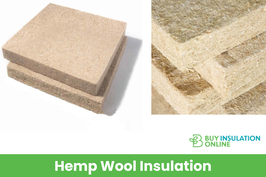
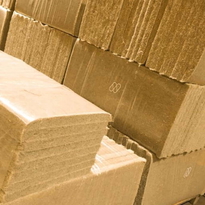
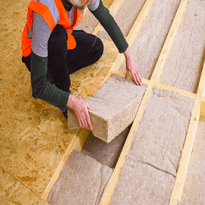
When applied, lime hemp insulation is often cast into formworks or moulded into prefabricated blocks or panels. These methods enable controlled curing times, typically ranging from two weeks to a month. Its thermal performance can vary based on density and formulation, influencing its suitability for different climate needs.
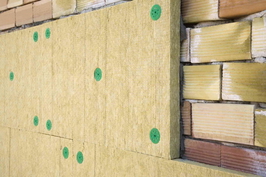
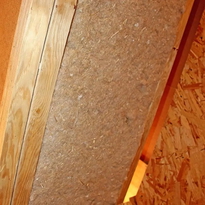
Its low mass reduces the load on structural elements, making it suitable for infill applications in timber frames, masonry, or concrete structures. Proper curing and finishing, such as lime plaster, enhance durability and weather resistance, supporting its application in environmentally sustainable building projects.
Considerations for Installing Lime Hemp Insulation
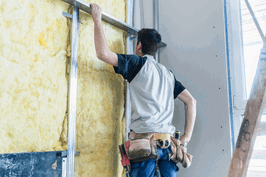
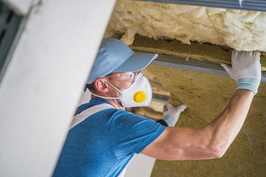
Proper moisture management during the installation process is essential to ensure the long-term performance and durability of lime hemp insulation. Installing the first rows on proprietary mortar beds prevents moisture from rising from the ground, which is vital for stability. Lime’s high pH environment inhibits mold growth and deters pests, contributing to material longevity. During drying, hemp lime mixtures require protection, especially in cooler, humid, or winter conditions, where extended drying times may necessitate shelter to prevent moisture-related defects. Since hempcrete is applied wet and tamped in lifts no greater than 10 to 15 cm, each lift must be thoroughly compacted to avoid voids that can trap moisture. Good detailing and weather protection during curing help maintain vapour permeability, allowing moisture to migrate and evaporate effectively. Proper installation techniques promote thermal efficiency, structural stability, and the long-lasting resilience of the insulation.
Conclusion
Lime hemp insulation provides a sustainable and effective thermal and acoustic solution, combining the environmentally friendly qualities of hempcrete with the durability of lime. Its structural strength and straightforward application process make it suitable for a variety of building projects across the UK.
Ensuring proper installation is essential to maximize performance. This includes applying the correct layer thickness and employing suitable adhesion techniques to guarantee the insulation functions optimally. Adhering precisely to installation guidelines will enhance energy efficiency, support ecological building practices, and contribute to healthier indoor environments.
Overall, lime hemp insulation is a practical choice for those seeking to incorporate sustainable materials into their construction projects. Its ability to improve thermal performance while maintaining eco-friendly standards makes it an excellent option for resilient and environmentally conscious buildings.