
Listed Building Insulation
Insulating listed buildings in the UK requires meticulous planning to safeguard their historic features whilst adhering to strict regulations. Owners must obtain listed building consent prior to undertaking any insulation work. Many prefer internal insulation methods over external options to minimise visual impact and preserve the building’s character.
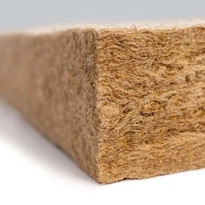
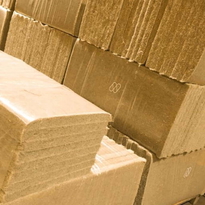
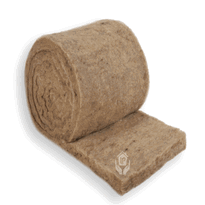
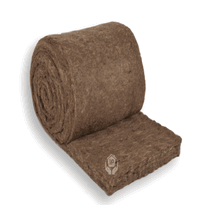
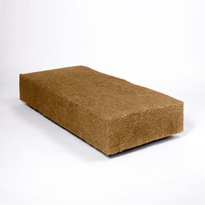
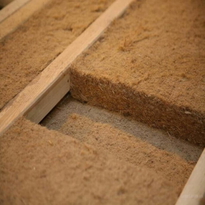
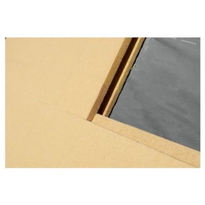
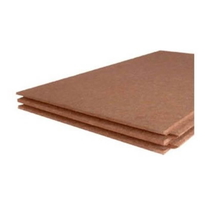
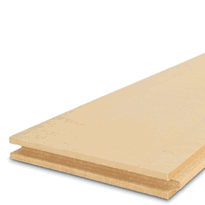
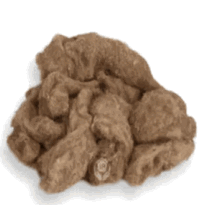
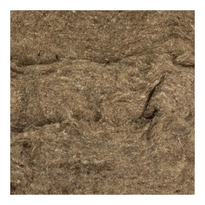
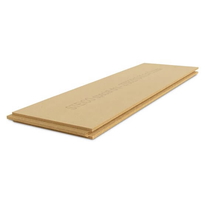
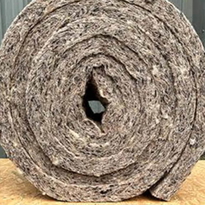
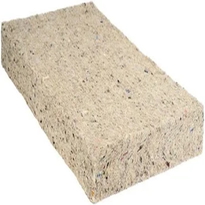
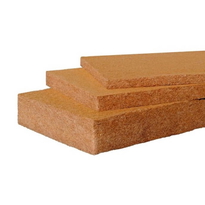
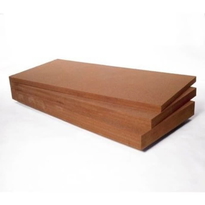
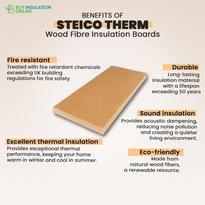
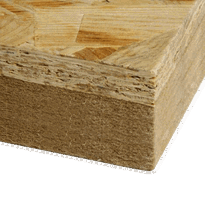
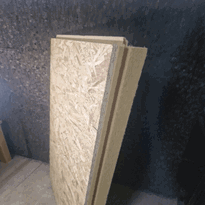
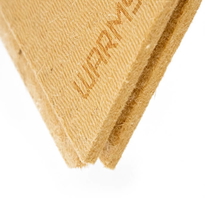
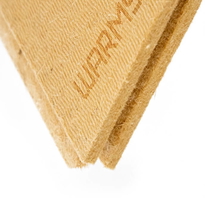
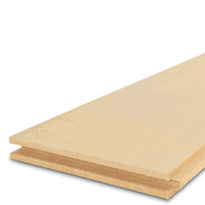
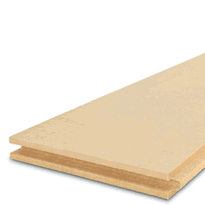
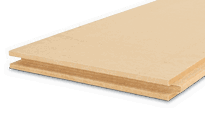
Suitable materials for insulating listed buildings include breathable options such as mineral wool, wood-fibre panels, or natural insulations like hemp and sheep’s wool. These materials support moisture regulation and help maintain the building’s natural breathability, which is crucial for preserving historic fabrics.
Collaborating with conservation specialists is highly recommended. Their expertise ensures that the insulation measures are both compliant with regulations and effective in improving energy efficiency without damaging the building’s integrity.
Practical considerations involve proper application of insulation in key areas like the loft, floor, and around windows. Care must be taken to avoid any alterations that could compromise the building’s structural or decorative features. Ensuring ventilation is maintained is essential to prevent issues related to damp and mould.
By following these guidelines, owners can achieve a balance between modern energy efficiency and the preservation of their historic properties. Continuing to explore safe and compliant insulation strategies will help protect the unique character of listed buildings for future generations.
Understanding Regulations and Permissions for Insulation Projects
Understanding Regulations and Permissions for Insulation Projects on Listed Buildings
When planning insulation work on listed buildings in the UK, it's crucial to understand the legal requirements to ensure compliance and protect the building’s historic character. Before proceeding, owners must seek listed building consent from the Local Planning Authority (LPA). This consent is necessary to ensure that any alterations don't adversely affect the building’s special architectural or historic interest.
If the property is situated within a conservation area, national park, or if the project involves notable changes—such as external insulation that alters the building’s appearance—additional planning permission may be required. The LPA will typically provide a schedule of works and specific guidelines on suitable materials and techniques. These guidelines help to maintain the integrity and authenticity of the historic fabric. Understanding building conservation principles is essential for selecting appropriate insulation methods that respect the structure’s heritage.
External insulation is generally less favourably regarded due to its potential visual impact and possible effects on the building’s historic character. Conversely, internal insulation solutions, such as those fitted within wall cavities or lofts, are more commonly permitted, provided they don't cause damage to the structure or materials.
It's advisable to plan insulation works alongside regular maintenance or repairs, as this approach can enhance efficiency and reduce costs while respecting conservation requirements. Additionally, local regulations may impose specific restrictions or requirements depending on the building’s heritage status and location.
In all cases, consulting with conservation specialists or heritage advisors is recommended to ensure that insulation upgrades are appropriate and fully compliant with relevant regulations. This collaboration can help ensure that the insulation methods chosen preserve both the building’s function and its historic significance.
Effective Approaches and Materials for Insulating Listed Buildings
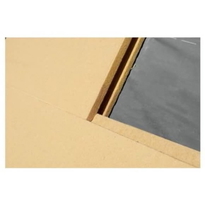
Selecting suitable insulation materials and methods is crucial for maintaining the historic character and structural integrity of listed buildings while enhancing their thermal performance. Mineral wool insulation is a highly effective choice, as it allows the building to breathe, which is essential for moisture management within historic walls. It prevents the build-up of condensation and helps protect the fabric of the building from damage caused by dampness. This breathability helps reduce the risk of damp and mold issues that can threaten the building's stability. Wood-fibre panels are another excellent, environmentally friendly option. They're compatible with the original materials of the building, supporting moisture regulation and helping to prevent condensation problems. Natural insulations such as hemp fibre boards and sheep’s wool are also eco-friendly alternatives, offering excellent moisture buffering properties that support the breathability of the structure. Recycled materials, like newspaper-based insulation, provide sustainable options that don't compromise the building’s historic features. These environmentally conscious choices can improve thermal performance while respecting the building’s original fabric. Internal insulation solutions are often preferred in heritage settings. Using insulated plasterboards or framing battens within the building helps to enhance energy efficiency without altering the external appearance. This approach preserves the historic façade and prevents visual interruption of the building's character. Insulation products made from recycled and renewable materials, such as sisalwool, are increasingly gaining popularity for their sustainability and performance. Consultation with conservation architects and experienced specialists is essential when planning insulation interventions. Their expertise ensures that moisture control, breathability, and structural stability are maintained, thereby safeguarding the historic significance of the building while achieving improved thermal performance.
Practical Considerations for Loft, Floor, and Window Insulation
Practical Considerations for Loft, Floor, and Window Insulation in Listed Buildings
When undertaking insulation in listed buildings, careful planning is essential to ensure energy efficiency while preserving the historic features and architectural integrity of the structure. Here are some key considerations for loft, floor, and window insulation:
Loft Insulation
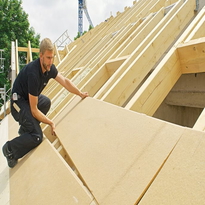
Loft insulation is generally permissible as it doesn't require significant structural alterations or access changes. Non-permanent insulation materials, such as mineral wool, are recommended to prevent damage to original features.
It's important to maintain proper ventilation, often through the use of baffles, to avoid condensation and moisture issues. Adequate ventilation helps protect the roof structure and prevents deterioration of the historic fabric.
Proper insulation thickness and placement are vital to optimize thermal performance without compromising the building’s fabric or appearance.
Floor Insulation
Insulating suspended timber floors is typically straightforward, especially when there's cavity access. However, in solid floors, installing insulation may involve invasive work that could compromise the building’s historic features.
In such cases, specialist advice is crucial. Materials used should be breathable to mitigate risks associated with damp and maintain the delicate balance of moisture within the building’s fabric.
Window Insulation
For windows, secondary glazing and draught-proofing are the most appropriate methods. These options allow for improved thermal performance without altering the appearance of original sash or casement windows.
External or permanent modifications to windows are generally discouraged, as they may affect the building’s historic character. All interventions should be carried out in accordance with conservation guidelines and regulations.
Compliance and Professional Advice
It is vital to ensure that all insulation measures comply with relevant regulations and conservation standards. Engaging specialists with experience in historic buildings can provide valuable guidance, ensuring that improvements are both effective and sympathetic to the building’s character.
Proper planning and consultation help protect the unique qualities of listed buildings while contributing to their energy efficiency. Incorporating insulation regulations and conservation standards from the start of planning can help avoid costly modifications later.
Conclusion
In conclusion, insulating listed buildings requires careful attention to regulations, appropriate material selection, and consideration of structural integrity. Understanding permitted modifications ensures compliance with conservation rules, while choosing suitable insulation methods helps to maintain the building’s historic character. Planning insulation for lofts, floors, and windows involves assessing existing features and selecting minimally invasive solutions. A thorough, informed approach guarantees effective energy efficiency improvements without compromising the building’s heritage, providing durable results while respecting preservation standards.