Outdoor Boiler Pipe Insulation
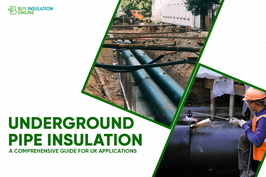
Proper outdoor boiler pipe insulation involves selecting materials such as foam, fibreglass, rubber, or mineral wool, which offer high heat resistance and durability against weather conditions. Insulating underground PEX pipes provides benefits such as flexibility, fewer fittings, and resistance to corrosion, thereby enhancing the lifespan and efficiency of the system.
Installation requires careful routing, ensuring adequate boreholes are created, and incorporating protective coverings to prevent damage, moisture ingress, and freezing. Using suitable insulation and protective measures not only improves system performance by reducing heat loss but also prolongs the lifespan of the piping network. Attention to these details can significantly enhance system reliability and efficiency in outdoor settings.
Types of Insulation Materials Suitable for Outdoor Boiler Pipes
Selecting the appropriate insulation material for outdoor boiler pipes is a vital step in ensuring energy efficiency, safety, and the durability of the piping system. Different materials offer distinct advantages depending on the environmental conditions and performance requirements.
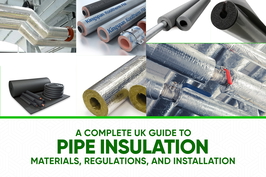
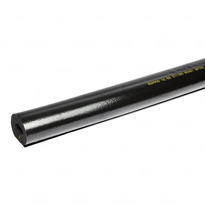
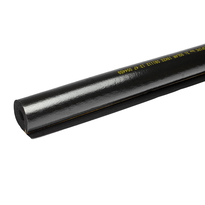
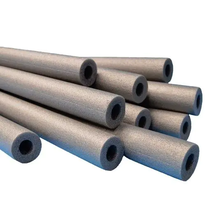
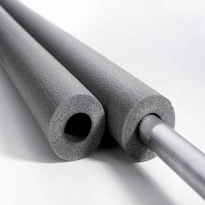
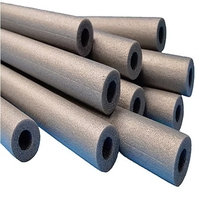
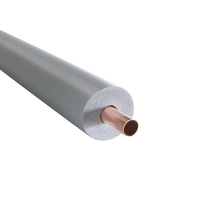
Foam insulation is a popular choice due to its high thermal performance. It's lightweight and easily conforms to various pipe configurations, making it particularly suitable when ease of installation is a priority. Foam insulations such as polyethylene or polyurea can provide effective thermal barriers and are moisture-resistant, helping to prevent heat loss and protect against weather effects. Insulated PEX pipes are waterproof, which enhances their effectiveness in outdoor environments by preventing moisture penetration that could degrade insulation performance. Additionally, foam insulation can be cut and shaped easily for complex piping layouts, simplifying installation in challenging configurations.
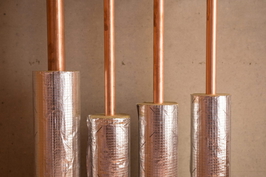
Fibreglass insulation provides excellent heat resistance, durability, and resistance to corrosion. Its robust nature makes it ideal for high-temperature outdoor applications where long-term performance is essential. Fibreglass is also capable of withstanding environmental factors such as wind and rain, thereby maintaining insulation integrity over time. Its non-combustible properties add a layer of safety, especially in settings where fire resistance is critical.
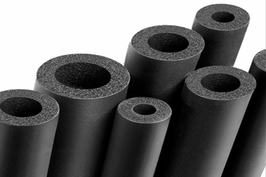
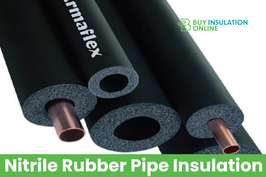
Rubber insulation is highly versatile, offering moisture resistance along with a broad operating temperature range. It effectively protects pipes from fluctuations in weather conditions, including temperature extremes and humidity. Rubber materials like EPDM or neoprene are flexible, allowing for easy installation around complex pipe layouts and bends. Its ability to withstand a wide temperature range makes it a suitable choice for environments with varying seasonal conditions.
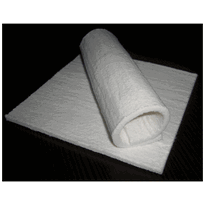
Mineral wool insulation is non-combustible and resistant to high temperatures, thus enhancing safety standards, especially in industrial or noisy environments. Its excellent soundproofing qualities also contribute to noise reduction in busy or industrial settings, making it a suitable choice where safety and acoustic performance are priorities. Moreover, mineral wool is resistant to moisture and mold, adding durability in outdoor conditions where dampness can be an issue.
Each insulation material's properties cater to specific environmental and performance needs, ensuring a reliable and efficient piping system for outdoor boilers. Selecting the most suitable option involves considering factors such as temperature range, exposure to weather, safety standards, and ease of installation, ultimately supporting the longevity and performance of the system.
Features and Benefits of Underground Insulated PEX Piping
Underground insulated PEX piping offers a range of features that greatly enhance its practicality and performance across various installation environments. Its flexible nature simplifies the installation process by reducing the need for extensive trenching and decreasing the number of fittings required, which helps minimise leak risks. PEX stands for cross-linked polyethylene tubing, a flexible plastic pipe. The inherent resistance of PEX to corrosion and physical damage extends its service life, making it a more durable alternative to traditional metal pipes. Its superior insulation properties help maintain higher water temperatures and effectively prevent freezing, lessening the chances of costly pipe failures during the colder months. Additionally, PEX's high heat resistance contributes to its long-term durability in outdoor applications, reducing the frequency of replacements. Its ability to withstand environmental stresses highlights outdoor pipe durability, ensuring a reliable performance over time. Moreover, this piping system delivers significant long-term cost benefits through lowered maintenance requirements, reduced energy consumption, and fewer repair needs. These qualities make it a dependable and efficient solution for outdoor boiler applications, ensuring consistent performance and durability even in challenging underground conditions.
Key Factors in Selecting the Right Insulation for Outdoor Boilers
Choosing the appropriate insulation for outdoor boiler pipes requires careful consideration of several important factors that impact system efficiency, safety, and longevity.
Thermal performance is paramount. Materials such as polyisocyanurate and phenolic foam provide low thermal conductivity, helping to minimise heat loss. For high-temperature fluids, insulation options like mineral wool or specialised high-temperature fibreglass are necessary to withstand the extreme heat while maintaining insulation efficiency. Additionally, selecting insulation with good thermal insulation properties ensures energy efficiency and cost savings over the system's operational life.
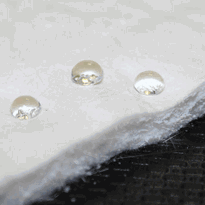
Moisture resistance, UV stability, and durability against weather conditions are also critical. The insulation must remain effective despite exposure to rain, sunlight, and physical impacts. Selecting a weather-resistant material helps ensure long-term performance and reduces maintenance needs. UV resistance is essential for outdoor applications where UV exposure can degrade certain insulation materials over time, leading to reduced insulation effectiveness. Incorporating moisture-resistant materials like Rockwool or phenolic foam can prevent moisture ingress and damage.
Fire safety must be a priority. Insulation materials should be capable of withstanding high temperatures without degrading or contributing to fire hazards, in line with local safety regulations and standards. Fire-resistant insulation such as Rockwool not only enhances safety but also contributes to the overall fire safety of the installation.
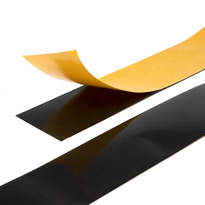
Ease of installation, appropriate thickness, and cost-effectiveness are additional considerations. Properly installed insulation enhances system performance, while the right thickness ensures sufficient thermal protection without excessive costs. The use of pre-formed sections and self-adhesive overlaps can simplify installation processes, making them more efficient and less labor-intensive.
Overall, these factors influence maintenance requirements, system longevity, and operational savings. Selecting insulation that balances performance with durability and affordability is essential for optimal outdoor boiler operation.
Installation Tips and Protective Measures for Outdoor Pipe Insulation
Proper installation of outdoor pipe insulation demands meticulous attention to routing, protective measures, and handling procedures to ensure the longevity and efficiency of the system.
Pipe Routing
When installing pipes outdoors, it's essential to avoid sharp bends and steep drops, which can place undue stress on both the insulation and the piping itself. Gentle curves help maintain the integrity of the system and facilitate easier maintenance in the future. If pipes need to cross through walls, bore holes must be at least 267 millimetres in diameter. It's crucial to seal around these openings to prevent water ingress and cracking. Additionally, a protective ring with a tapered end facing outward should be installed for added durability. Proper routing reduces strain on the pipes, minimizing the risk of future damage and increasing system reliability. Installing pipe supports at regular intervals can further prevent sagging and movement that may compromise insulation effectiveness.
Installation Procedures
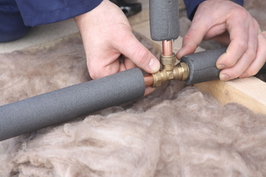
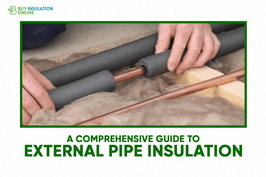
During installation, ensure that insulation sleeves are fully slid over fittings to provide continuous insulation coverage. Verify that the pipe layout allows for future access points, facilitating inspection and maintenance activities. Handle pipes with care throughout the process to prevent any damage to the insulation material or the piping itself. Using appropriate adhesives or sealants designed for outdoor use can enhance the airtightness of joints and seams, improving overall system performance and weather resistance.
Protective Measures
Additional protective measures include positioning pipes on soft bedding materials, such as sand or fine gravel, to minimise mechanical stress and reduce the risk of damage. After installation, it's advisable to carry out leak tests to confirm system integrity. Exposed trenches should be covered promptly to protect the insulation from weather and mechanical impacts. Regular inspections are recommended to identify and replace any damaged insulation, thereby maintaining system efficiency and prolonging its operational lifespan. Incorporating weatherproofing materials around vulnerable joints or exposed sections can provide extra protection against moisture and temperature fluctuations, especially in the UK climate.
Implementing these guidelines will help ensure a robust, weather-resistant, and efficient outdoor piping system suitable for the UK climate.
Enhancing Energy Efficiency and Durability of Outdoor Boiler Systems
Enhancing the energy efficiency and durability of outdoor boiler systems begins with effective insulation strategies that minimise heat loss and protect piping components from environmental stresses. Proper insulation can reduce heat loss from pipes by up to 90%, helping to maintain water temperature during transport and decreasing the frequency of reheating. This reduction in heat dissipation results in lower fuel consumption, leading to cost savings and reduced emissions. Pipe insulation is also critical in preventing freezing in cold climates, which can cause pipe bursts and costly damage. Insulated pipes also aid in preventing physical damage, resisting corrosion, and protecting against freezing temperatures, thereby extending the lifespan of the piping system. Additionally, using insulation jackets designed specifically for outdoor applications provides enhanced durability and easier maintenance access. Furthermore, maintaining consistent water temperatures enhances overall system performance, reduces stress on boiler components, and diminishes the need for frequent maintenance.
When outdoor boiler systems are well-insulated, they operate more efficiently and reliably, supporting sustainable and cost-effective heating solutions over the long term.
Conclusion
Choosing suitable insulation materials and following best installation practices are crucial for maximising outdoor boiler system efficiency. Understanding the characteristics of underground PEX piping, and considering important factors such as thermal resistance and environmental protection, ensures the longevity and energy efficiency of the system. Proper insulation reduces heat loss, prevents corrosion, and extends the lifespan of equipment. By adhering to recommended procedures, users can ensure reliable operation, minimise maintenance costs, and enhance overall system performance, thereby supporting sustainable and cost-effective outdoor boiler management.
Featured Articles on Outdoor boiler pipe insulation