Outdoor Gas Pipe Insulation
Outdoor gas pipe insulation involves using durable materials such as polyethylene foam, neoprene, or rubber that resist moisture, UV radiation, and temperature fluctuations, ensuring effective thermal protection. Proper installation includes measuring pipe dimensions accurately, sealing seams securely, and protecting penetrations, which prevents heat loss, condensation, and corrosion. Materials should be weather-resistant and UV-protected to withstand the elements over time. Understanding the selection and application of these materials will guide the most suitable insulation practices and optimize system longevity.
Common Materials and Their Properties
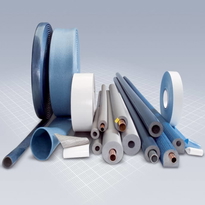
Various materials are utilized for outdoor gas pipe insulation, each with properties that influence their appropriateness for different applications.
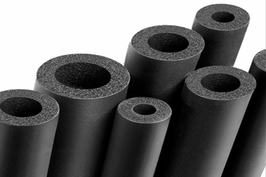
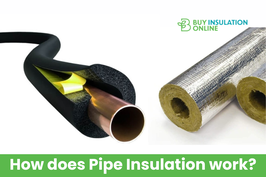
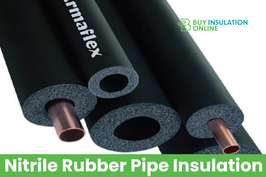
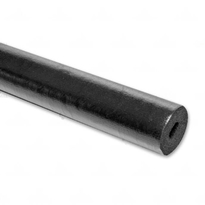
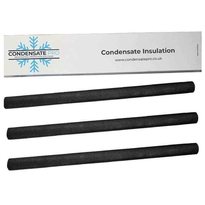
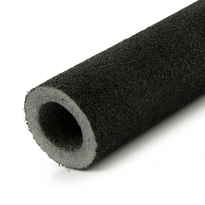
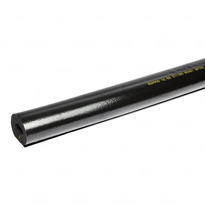
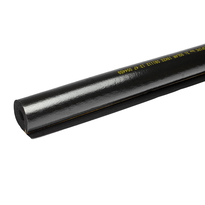
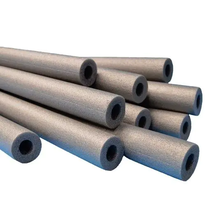
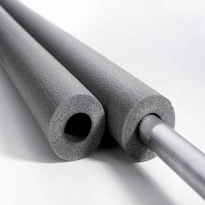
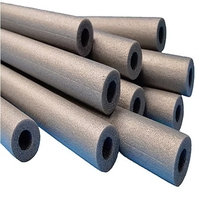
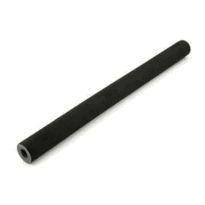
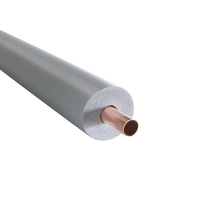
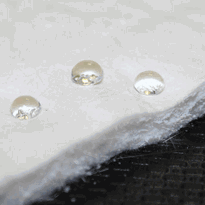
Foam pipe insulation, typically manufactured from polyethylene or neoprene foam, provides excellent flexibility. This makes it simple to cut and fit around irregular pipe shapes. It offers moderate thermal insulation characterized by low thermal conductivity. Additionally, it resists moisture absorption, thereby reducing the risks of mold or mildew. However, it necessitates protection from ultraviolet (UV) light to ensure durability when used outdoors. Using UV-resistant coatings or coverings can significantly prolong its lifespan outdoors. Incorporating sustainable and environmentally friendly materials aligns with the company’s emphasis on sustainable practices and responsible manufacturing.
Rubber pipe insulation, primarily composed of EPDM rubber, is renowned for its high durability and elasticity. It exhibits strong resistance to UV radiation and various weather conditions, making it highly suitable for outdoor environments.
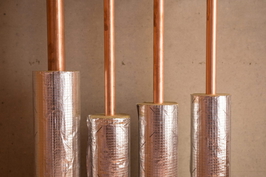
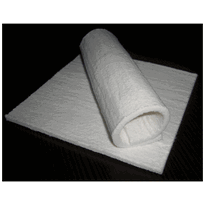
Fiberglass insulation consists of mineral fibers and delivers low thermal conductivity alongside notable fire resistance. Despite these advantages, it requires a vapour barrier when installed outdoors to prevent moisture ingress.
Polyethylene foam insulation is lightweight and resistant to chemicals. It provides effective thermal insulation and also benefits from ultraviolet (UV) protection, which enhances its longevity under prolonged outdoor exposure.
Enhancing Thermal Efficiency and Durability
Improving the thermal efficiency and durability of outdoor gas pipe insulation involves selecting and applying materials that effectively minimize heat transfer and withstand external environmental factors. Proper insulation can reduce heat loss from outdoor gas pipes by up to 90%, maintaining higher temperatures and reducing energy consumption, which lowers operating costs. By selecting materials resistant to moisture, ultraviolet (UV) radiation, temperature fluctuations, and physical impacts, the insulation acts as a barrier against weathering and damage. This advanced protection minimizes thermal cycling stresses, preventing cracking and corrosion caused by condensation, rain, snow, and ice. Durable insulation ensures long-term performance, lowers maintenance expenses, and supports overall system efficiency. Additionally, using UV-resistant materials can significantly prolong the lifespan of outdoor pipeline insulation against sun-related deterioration. Incorporating fire-resistant insulation can further enhance safety and reduce the risk of fire spread in outdoor environments. Consequently, using suitable insulation not only enhances energy savings but also boosts the longevity and safety of outdoor gas pipelines.
Installation Best Practices and Safety Considerations
Proper installation of outdoor gas pipe insulation requires meticulous preparation and adherence to technical guidelines to ensure safety, effectiveness, and long-term performance.
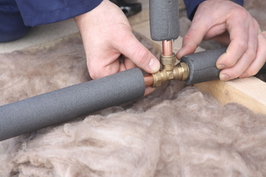
First, it's essential to turn off the gas supply and drain the pipes to prevent leaks or damage during insulation. Pipe surfaces must be thoroughly cleaned to remove oil, rust, and dirt, ensuring proper adhesion of the insulation material.
Accurate measurement of pipe diameter and circumference allows for correct sizing of the insulation, while inspecting pipes for damage or corrosion helps to ensure durability and safety. Proper sizing and measurement are critical to achieving optimal insulation performance.
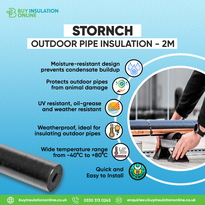
The choice of insulation material should resist weather elements such as UV rays and moisture, with thickness matched to the pipe’s operating temperature and the local climate conditions. Material durability in outdoor conditions is crucial for maintaining insulation integrity over time.
Proper sealing of seams, secure fastening at regular intervals, and protection of pipe penetrations are critical for maintaining the integrity of the insulation system. Using weatherproof and UV-resistant coatings enhances the overall resilience against outdoor environmental stresses.
Following manufacturer guidelines and applying appropriate weatherproof and UV-protective measures will ensure a safe and effective installation tailored to UK conditions. Integrating weather-resistant materials like Primary Pro Pro Insulation can further improve system longevity and performance.
Conclusion
Proper insulation of outdoor gas pipes is crucial for ensuring safety, reducing heat loss, and extending system lifespan. Selecting suitable materials, implementing correct installation techniques, and following established safety protocols are key to enhancing thermal efficiency and durability. Regular inspections and maintenance are also essential to detect and resolve potential issues proactively. Adhering to these best practices ensures optimal performance and minimizes risks associated with outdoor gas piping, providing a secure and reliable infrastructure over time.
Featured Articles on Outdoor gas pipe insulation