Pipe Lagging Outdoor
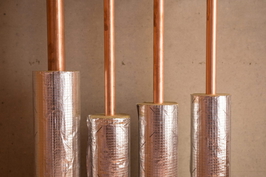
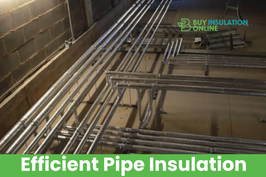
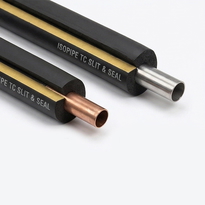
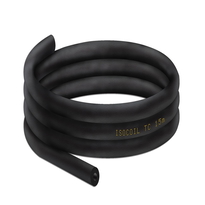
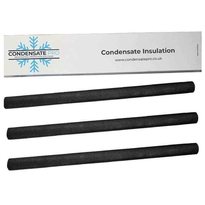
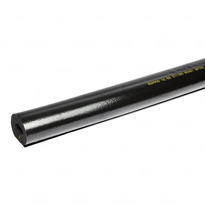
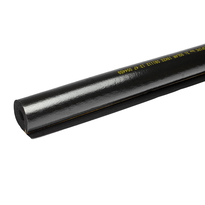
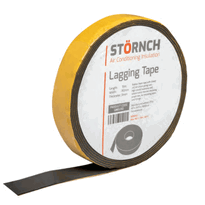
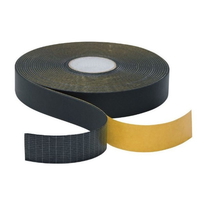
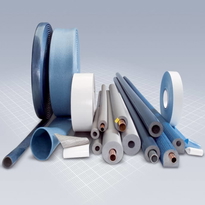
Outdoor pipe lagging employs sturdy insulation materials such as polyethylene, fibreglass, elastomeric foam, or rigid foam, selected according to environmental exposure, temperature fluctuations, and specific application requirements. Correct installation involves ensuring a snug fit, sealing joints adequately, and applying weather-resistant coverings like factory-jacketed systems to withstand moisture, UV rays, and temperature changes. Regular inspections and maintenance are essential to detect damage or moisture ingress, thereby extending the longevity of the system. Choosing the appropriate materials and techniques is vital for optimal performance across various outdoor environments.
Types of Outdoor Pipe Lagging Materials
There are several materials used for outdoor pipe lagging, each chosen for their specific properties to ensure effective insulation, protection, and durability of piping systems.
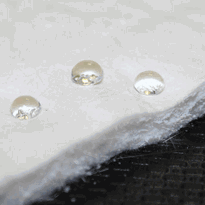
Polyethylene-based lagging is made from durable, lightweight polyethylene. It offers excellent resistance to moisture and is flexible enough to accommodate curved or irregular pipes. Many variants are UV-resistant, enabling them to withstand prolonged exposure to sunlight. Polyethylene is also inherently resistant to many chemicals, increasing its suitability for diverse outdoor environments.
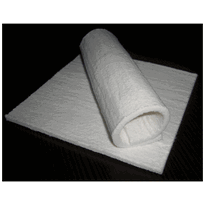
Fibreglass and mineral wool lagging provide high thermal resistance, help reduce noise, and offer fire resistance. However, these materials require protective jacketing to prevent moisture damage and ensure longevity.
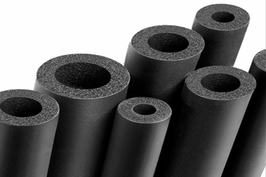
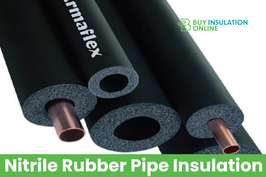
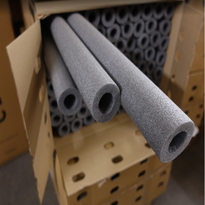
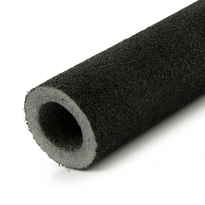
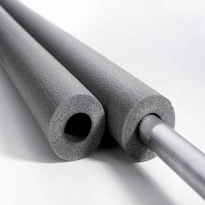
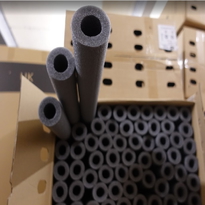
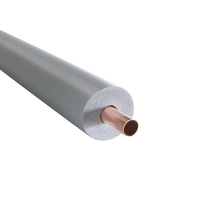
Elastomeric foam insulation, a flexible closed-cell rubber material, resists moisture effectively and maintains its insulating properties over time. Its adaptability makes it suitable for complex shapes and challenging installations.
Rigid foam insulations, such as polyisocyanurate or phenolic boards, give high insulation values and mechanical strength. Nonetheless, they need protective jackets to guard against UV exposure and physical impacts.
Cellular glass and calcium silicate lagging materials offer long-lasting strength and excellent resistance to water vapour. They're also capable of withstanding high temperatures, making them suitable for specialised industrial applications.
Benefits of Pipe Lagging in Outdoor Environments
Outdoor pipe lagging offers essential advantages that enhance the performance and longevity of piping systems exposed to external conditions. One of its key benefits is improving energy efficiency by reducing heat loss. This helps hot water maintain its temperature for longer periods and decreases overall energy consumption, leading to lower energy bills. Additionally, lagging provides vital protection against freezing temperatures. By creating a thermal barrier, it prevents pipes from freezing and bursting during cold weather, thus safeguarding the plumbing system. It also helps control condensation on cold pipes, minimising moisture build-up that can cause corrosion, mould growth, and structural damage over time. Insulation acts as a barrier against condensation which further reduces the risk of moisture-related issues. Safety is also enhanced through outdoor pipe lagging. It lowers the surface temperature of hot pipes, reducing the risk of burns. Moreover, it decreases slip hazards caused by ice formation or leaks around the piping, promoting a safer environment. Furthermore, these benefits contribute to an extended lifespan of pipes and associated infrastructure. Proper lagging reduces the need for costly repairs and ensures consistent operation of outdoor piping systems, even under challenging weather conditions.
Factors to Consider for Outdoor Insulation Installation
Factors to Consider When Installing Pipe Insulation Outdoors
The effectiveness of installing pipe insulation in outdoor environments depends on several key factors. First and foremost, the size of the pipe and the corresponding insulation thickness are crucial; a proper fit ensures minimal gaps, which can undermine thermal protection. Larger pipes typically require thicker insulation to prevent heat loss and protect against freezing temperatures, whereas narrower pipes found in confined spaces may need slimmer insulation options that still provide adequate coverage.
Material selection plays a vital role, especially considering the harsh outdoor conditions. Insulation materials must withstand exposure to rain, UV rays, and wide temperature fluctuations. Durable and weather-resistant options such as fibre glass and metal jacketing are often preferred for their longevity and robustness. Additionally, insulation material properties, like fire resistance and moisture resistance, are critical considerations to ensure safety and durability in outdoor settings. Superglass insulation, for instance, is non-combustible (Euroclass A1) and contains high recycled content, making it a sustainable choice that can resist moisture and environmental exposure.
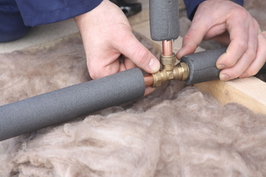
Proper installation techniques are equally important. Sealing joints meticulously helps prevent water ingress, while ensuring that access points, such as valves, aren't obstructed. This facilitates maintenance and inspection, contributing to sustained insulation performance. Using appropriate fixing methods and protective coverings can further enhance the longevity of outdoor pipe insulation.
Furthermore, an understanding of the local climate is essential to determine the appropriate insulation type and thickness. Tailoring insulation to specific environmental conditions ensures optimal thermal efficiency and protection against local weather extremes.
Compliance with applicable safety standards and regulations ensures that the insulation remains effective and safe over time.
Maintenance and Durability of Outdoor Pipe Lagging
Effective maintenance and durability of outdoor pipe lagging rely on implementing systematic inspection routines and selecting suitable materials designed to withstand environmental stresses. Regular inspections help to identify signs of wear, damage, or moisture infiltration, allowing for timely repairs that preserve the integrity of the insulation. During inspections, particular attention should be paid to gaps, cracks, damaged seams, and the condition of seals and protective coatings.
Choosing appropriate materials, such as resistant foam or coated lagging, enhances longevity against UV radiation, moisture, and physical impact. Proper selection of materials plays a crucial role in maintaining the performance of pipe lagging over time, especially under challenging outdoor conditions. Additionally, ensuring proper installation techniques and using high-quality adhesives can prevent premature deterioration.
Below is a visual guide to assist in understanding key maintenance components:
Inspection Step |
Common Damage Signs |
Corrective Action |
| Check for gaps or cracks | Moisture penetration | Reseal or replace lagging |
| Evaluate seals and coatings | Damage or peeling | Reapply or repair seals |
| Inspect for physical damage | Dents or tears | Replace damaged sections |
| Verify waterproofing | Water ingress at seams | Reapply waterproof sealants |
| Assess insulation condition | Moisture buildup, mould | Replace compromised materials |
Consistent and thorough inspections are essential for maintaining the integrity and performance of outdoor pipe lagging. Regularly reviewing these components ensures timely intervention, thereby extending the lifespan of the insulation and safeguarding the pipelines from environmental damage. Implementing proper maintenance practices further prolongs the durability and effectiveness of outdoor pipe lagging systems.
Industry Applications for Outdoor Pipe Insulation
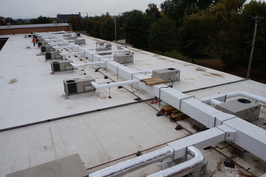
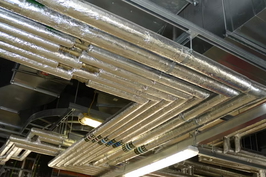
Outdoor pipe insulation plays a crucial role across a variety of sectors where safeguarding pipeline integrity and ensuring operational efficiency are essential. Insulation is particularly important in environments subject to temperature extremes, adverse weather conditions, and physical stresses, as it helps maintain consistent performance and offers vital protection. Factory-jacketed systems are increasingly being adopted in outdoor applications due to their enhanced durability and weather resistance, making them a preferred choice for many industries. Chemical processing plants utilise insulated pipes to manage extreme temperatures safely and to minimise heat loss, ensuring process stability and safety. Power stations depend on external lagging to preserve thermal conditions, preventing energy wastage and shielding personnel from potential burns. In the oil and gas industry, insulation is applied extensively to regulate temperatures and protect against freezing in extensive pipeline networks, maintaining flow and preventing damage caused by low temperatures. Municipal water authorities insulate external pipes to prevent freezing, minimise condensation, and reduce energy consumption, ensuring reliable water supply even in harsh weather conditions. These diverse applications highlight the importance of carefully selecting appropriate materials, factory-applied jackets, and durable systems. Such choices optimise the performance and safety of outdoor piping installations under challenging weather and operational conditions, tailored specifically to the needs of projects in the UK, where weather conditions can be particularly severe and unpredictable.
Conclusion
Choosing suitable outdoor pipe lagging materials and employing correct installation techniques are essential for ensuring optimal protection against environmental elements such as cold weather, moisture, and ultraviolet (UV) exposure. Selecting materials that are resilient to these conditions helps maintain the integrity of the piping system and prevents deterioration over time.
Regular maintenance of the lagging is crucial for extending its lifespan. Inspection for damage or wear, and prompt repairs or replacements as necessary, can preserve the insulation’s effectiveness and support the continued efficiency of the system. This proactive approach also helps avoid costly repairs or system failures in the future.
Different industries and applications require specific considerations when selecting lagging materials. By choosing appropriate products based on operational demands and environmental conditions, professionals can maximise the durability, safety, and overall performance of outdoor piping systems.
Adhering to these guidelines ensures that outdoor pipe insulation performs reliably under UK weather conditions, offering a robust barrier against environmental stresses and contributing to the long-term efficiency and safety of piping installations.
Featured Articles on Pipe lagging outdoor