
Underfloor Heating Boards 16MM
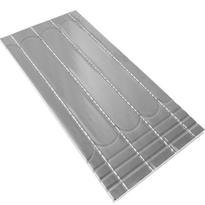
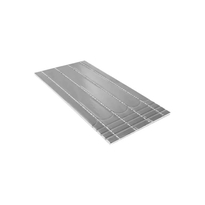
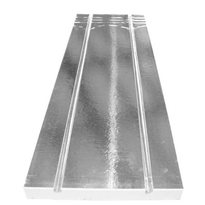
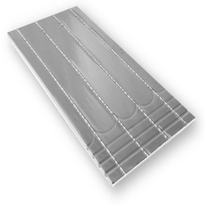
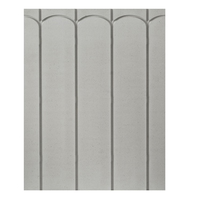
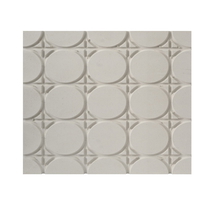
Underfloor heating boards measuring 16mm are lightweight, durable panels specifically designed for efficient thermal insulation and even heat distribution across floors. Constructed from high-density extruded polystyrene foam, these boards are resistant to moisture and often feature pre-grooved channels for straightforward pipe installation. Available in standard sizes, they are suitable for a variety of floor types, making them a versatile choice for different settings.
When selecting the right underfloor heating boards, it’s important to consider factors such as the type of flooring and the specific heating requirements of your space. Ensuring long-lasting performance can be achieved by choosing high-quality materials and proper installation methods.
By investing in the right underfloor heating system, you can enjoy a warm, comfortable environment while improving energy efficiency in your home.
Overview of 16mm Underfloor Heating Boards
Underfloor heating boards with a thickness of 16mm are specifically designed to provide an efficient and reliable method for heating floors in both residential and commercial environments. These boards are appreciated for their straightforward installation, as they can be easily cut to fit particular areas using a jigsaw, featuring smooth edges to minimise the risk of damage. Proper preparation of the subfloor is crucial for optimal performance; it should be clean, dry, and level. Additionally, incorporating insulation beneath the boards can significantly enhance thermal efficiency. The boards are arranged in a manner that accommodates pipe bends and straight runs, simplifying the installation process. Once the boards are laid, the pipes are securely inserted into the grooves, and the entire system is tested for leaks. This method provides a dependable solution for achieving even heat distribution, ensuring maximum comfort throughout the space. Using insulated boards can also help to reduce heat loss, thereby improving energy efficiency and lowering running costs over time.
Material Composition and Key Properties
Materials utilised in underfloor heating boards primarily consist of high-density, closed-cell extruded polystyrene (XPS) foam, renowned for its exceptional thermal insulation properties. This foam effectively retains heat within the space, contributing to reduced energy costs and enhanced comfort levels. XPS foam’s closed-cell structure also makes it highly resistant to moisture absorption, which helps maintain insulation performance over time. In addition, these boards may incorporate durable coatings, such as cementitious or fibre cement layers, which serve to bolster surface strength and provide moisture resistance. Flooring-grade chipboard, often designed to be moisture-resistant, offers load-bearing support suitable for various flooring materials. Some boards may also include aluminium layers or foil facings, enhancing heat reflection and distribution. This ensures efficient heat transfer across the floor surface, promoting an even and comfortable warmth throughout the area. Pre-grooved channels, which are perfectly spaced for the installation of heating pipes, simplify the fitting process and guarantee proper pipe placement.
Standard Sizes and Thickness Variants
The size and thickness of underfloor heating boards are crucial to their performance and ease of installation. Common sizes include 1200mm x 600mm and 2400mm x 600mm, with some models offering square options like 1200mm x 1200mm to accommodate various pipe arrangements. Boards that cover approximately 0.72m² or 1.44m² help minimise joints and simplify the installation process. The boards are grooved on one face to securely hold and route the 12mm or 16mm diameter underfloor heating pipes. Thickness typically ranges from 16mm to 30mm, with 16mm being a preferred choice for low-profile spaces. Thicker options, such as 20mm or 22mm, are designed to accommodate standard pipe diameters and enhance insulation properties. The industry generally favours widths of 600mm as they strike a balance between ease of handling and effective coverage. Selecting the appropriate size and thickness is vital for maximising installation efficiency, managing weight, and ensuring optimal system performance. This allows the setup to fit seamlessly within the designated space while meeting functional requirements.
Pre-Grooving and Pipe Compatibility
Pre-grooving boards are specially designed with channels that accommodate the sizes of common underfloor heating pipes, including those with diameters of 12mm and 16mm. These grooves feature radius returns, enabling pipes to bend smoothly without kinks, which is essential for maintaining pipe integrity. The depth of the grooves is crafted to match the pipe diameter, ensuring a snug fit that minimises thermal bridging and optimises heat transfer. Compatibility is influenced by the material, thickness, and insulation of the pipes, all of which affect their performance within the grooves. Manufacturers provide detailed specifications to ensure proper fit and function. - Smooth-edged grooves help prevent damage to pipes during installation. - Consistent spacing aids in accurate pipe layout, thereby enhancing overall heating efficiency. - Specifically designed for 16mm pipes, these boards facilitate effective and reliable underfloor heating systems, contributing to a comfortable environment for all.
Installation Techniques and Best Practices
Proper surface preparation is essential for a successful underfloor heating installation. Ensuring that the subfloor is clean, level, and well-insulated is crucial to prevent issues in the future.
Employing precise pipe placement techniques, such as adhering to manufacturer patterns and securing pipes firmly, contributes to even heat distribution and enhances the longevity of the system.
Adhering to these best practices during installation helps ensure the system operates efficiently and remains effective for years to come.
Pre-Installation Surface Preparation
Preparing the surface properly before installing underfloor heating boards is essential for a successful and long-lasting installation. Ensuring the area is clean, dry, and free from debris helps the boards bond securely, leading to improved insulation and even heat distribution.
If there are existing floor coverings, such as old tiles, these may need to be removed or treated with appropriate primers to aid bonding. For concrete surfaces, it's vital to chip away any loose or flaky material to create a solid base.
Thoroughly vacuuming or sweeping the area is crucial as this removes dust and debris that could compromise adhesive bonds. These preparation steps are key to preventing issues such as uneven heating or cracking.
By carefully inspecting and cleaning the surface, installers can create a stable foundation that promotes effective heat transfer, enhancing the comfort and efficiency of the underfloor heating system.
Remove old floor coverings or treat with primers for bonding
Chip away loose, flaky concrete to create a sound surface
Vacuum and sweep thoroughly to prevent dust from affecting adhesion
Precise Pipe Placement Techniques
Ensuring precise pipe placement is crucial for an effective underfloor heating system, as it directly influences heat distribution and energy efficiency.
Pipes are typically spaced according to the room’s heating requirements, with common layout patterns, such as serpentine or spiral, adapting to different room shapes and ensuring even heat distribution.
Pipes are often laid in back-and-forth patterns to facilitate installation and optimise performance.
When planning, professionals take into account the room size and potential heat loss to determine the appropriate spacing and layout. They utilise tools like CAD software or consult experts to refine pipe placement for maximum efficiency.
Proper attachment methods and clear positioning of the manifold also contribute to maintaining consistent water flow and simplify future maintenance.
Proper planning and precise execution work together to create a balanced and energy-efficient heating system.
Thermal Performance and Insulation Benefits
Underfloor heating boards featuring foil layers offer exceptional heat retention by reflecting warmth back into the room, aiding in the maintenance of consistent temperatures. They also minimise energy loss by preventing heat from escaping downward into the subfloor, enhancing the overall efficiency of the system. This improved thermal stability allows spaces to warm up more rapidly and remain comfortable for longer periods, thereby boosting performance and comfort levels. Designed specifically for water-based underfloor heating systems, the insulation benefits provided by these boards contribute significantly to energy conservation, making them an ideal choice for homeowners seeking to improve their heating systems. With better heat distribution and reduced energy costs, underfloor heating with foil layers represents a smart investment for creating a cosy and energy-efficient environment.
Superior Heat Retention
Foil-faced underfloor heating boards significantly enhance heat retention by reflecting radiant heat upwards into the room, thereby helping to maintain a warm and comfortable environment. The foil layer, typically made from aluminium, directs heat precisely where it’s required, minimising heat loss back into the floor slab and improving overall thermal performance. This results in rooms warming up more quickly and staying warm for longer. The foil-facing material also offers additional insulation properties, reducing heat escape through the floor. Reflective foil ensures consistent heat flow, maximising energy efficiency. Enhances comfort by providing uniform warmth across the floor surface. Diminishes unnecessary heat loss, rendering the system more effective over time. These features cultivate a cosy atmosphere, fostering a sense of belonging for homeowners who appreciate efficient and dependable warmth that endures.
Reduced Energy Loss
Foil-faced OSB boards are essential in minimising heat loss and enhancing thermal efficiency. The 75-micron foil layer reflects radiant heat upwards, preventing warmth from escaping downwards and thereby improving energy efficiency. This reflection reduces wasted energy by directing heat back into the room, allowing spaces to warm more quickly. Proper installation is critical to ensure maximum thermal performance. The design of these boards ensures even heat distribution, eradicating cold spots and making warmth consistent and comfortable throughout the area. Furthermore, their compatibility with various floor finishes helps to maintain these thermal advantages across different surfaces. The high-density EPS insulation within the boards further enhances their effectiveness by trapping warmth within the living space. Together, the foil facing and insulation layer significantly boost overall system efficiency, leading to lower energy bills and a more sustainable environment. This combination supports long-term energy savings, contributing to a cosy and eco-friendly home.
Enhanced Thermal Stability
The material and structural design of underfloor heating boards significantly contribute to enhanced thermal stability. These boards are crafted using durable OSB combined with high-density EPS or gypsum cores, ensuring consistent insulation and moisture resistance.
The foil-faced surfaces, featuring aluminium layers, effectively reflect radiant heat upwards, which optimises heat distribution. Furthermore, the pre-routed groove design secures the pipes in place, reducing heat loss and maintaining even temperatures throughout the space.
The balance between thickness and material strength facilitates efficient heat transfer while preventing delays in warming. Collectively, these features foster a stable heating environment, promoting comfort and energy efficiency.
Aluminium layers reflect heat effectively, enhancing energy efficiency.
Custom grooves secure pipes, minimising temperature fluctuations.
High-density materials provide long-lasting insulation performance.
Suitable Floor Coverings and Finishing Options
Selecting the right floor covering is essential to maximise the efficiency of underfloor heating systems. Tiles, such as porcelain and ceramic, are highly suitable as they conduct heat well and offer durability. These can be bonded directly to the overlay panels using heat-resistant adhesives and grout, allowing for rapid heat transfer. Engineered wood flooring with synthetic cores is also compatible due to its stability during temperature fluctuations, provided the boards maintain appropriate thickness standards. Laminates flooring can be effective, particularly when it includes multiple layers, including a scratch-resistant surface. For floating floors, it's crucial that the materials are moisture resistant and thermally stable to prevent warping. Proper selection ensures that heat is distributed evenly, maintaining comfort and style in your space. Optimal thermal conductors are vital for achieving efficient heat transfer and energy savings.
Applications in Renovation and New Builds
In renovation projects, underfloor heating boards with a slim profile are particularly advantageous as they facilitate efficient installation without significantly increasing the floor height.
These boards are ideal for retrofitting over existing floors, making them perfect for enhancing spaces without substantial disruption. They offer excellent insulation, minimising heat loss and maximising system efficiency.
The integrated pre-routed channels simplify the installation of piping, consequently saving time and effort.
These boards are compatible with a variety of flooring types, such as tiles and wood, providing flexibility during the renovation process. Their robust construction ensures durability, even in older properties.
Ultimately, they allow homeowners to relish in the comfort of warm floors with minimal elevation increase and hassle-free installation.
This makes them a sought-after choice for those looking for comfort and practicality in their renovation endeavours.
Cost, Suppliers, and Purchasing Considerations
Cost is a crucial factor when choosing 16mm underfloor heating boards and systems, as prices can vary significantly based on quality, size, and features.
Complete systems, which include pipes and pumps, typically fall within a certain price range for covering an area of approximately 60-66 m².
Individual tile overlay boards are generally priced between a lower and upper range, with some brands offering more affordable options.
Insulation boards designed for 16mm pipe also have a varied cost, which can impact the overall budget.
Shipping costs can differ among suppliers. Some may offer free collection, while others might charge delivery fees unless a minimum order value is reached.
There are several reputable suppliers in the UK, such as The Floor Heating Warehouse and UnderfloorHeatingBoards.co.uk.
These suppliers provide a range of products suitable for different budgets and requirements.
When purchasing underfloor heating systems, it's essential to compare prices and check delivery options to ensure a smooth buying experience.
Taking the time to evaluate your choices can lead to both cost savings and a more effective heating solution for your home.
Tips for Ensuring Long-Term Durability
Proper installation techniques and moisture control measures are essential for ensuring the long-term durability of underfloor heating boards.
Employing the correct methods during setup helps prevent potential damage, while effectively managing moisture levels mitigates issues such as corrosion or mould growth.
Adhering to these practices can significantly enhance the system’s lifespan and sustain its efficiency over time.
Proper Installation Techniques
Achieving long-term durability with underfloor heating boards requires careful attention to installation techniques.
Proper planning of the board layout is essential; leaving at least a 5mm expansion gap between the boards and walls or fixed structures allows for movement.
Installing turning boards first helps to accurately follow pipe bends, while straight and multi-feed boards can be tailored to fit room dimensions precisely. A jigsaw is ideal for cleanly cutting boards and aluminium plates, and it's important to remove any burrs to ensure a smooth pipe fitting.
Maintaining alignment with the floor plan and manifold locations is crucial for correct pipe routing and to prevent obstructions.
Additionally, securing seams with a 3mm bead of adhesive enhances stability, particularly on floating boards.
These steps contribute to ensuring the system operates efficiently and remains durable over time, creating a reliable heating solution for the long term.
Moisture Control Measures
Moisture control is a vital element in ensuring the long-term durability of underfloor heating systems. Utilising moisture-resistant materials, such as routed chipboard and extruded polystyrene (XPS) foam boards, effectively prevents water damage and issues related to condensation.
Foil-faced chipboards not only reflect heat but also block moisture, while insulation boards bonded with aluminium are designed to resist rot and corrosion in areas with high humidity.
The installation of vapour barriers in damp environments, like basements, is essential for preventing moisture infiltration, particularly when these barriers are securely sealed with tape or spray foam.
Prior to installation, it's crucial to clean and dry the subfloor thoroughly, applying levelling compounds if necessary to eliminate any potential moisture pockets.
Selecting high-quality insulation that offers excellent moisture resistance, in conjunction with effective ventilation, further safeguards the system, enhancing its long-term reliability and performance.
Conclusion
16mm underfloor heating boards provide a dependable and efficient solution for warming floors in both renovation projects and new builds. Made from robust materials, these boards come in a variety of sizes and offer straightforward installation options, making them compatible with numerous flooring types.
Selecting the right underfloor heating boards and ensuring their proper installation are key to achieving long-term performance and energy efficiency. By opting for high-quality boards from reputable suppliers and adhering to best practices, homeowners can benefit from a comfortable and cost-effective heating system that delivers warmth for years to come without complications.
Investing in a well-designed underfloor heating system not only enhances the comfort of your home but also contributes to energy savings, making it a wise choice for any property owner looking to improve their living environment.