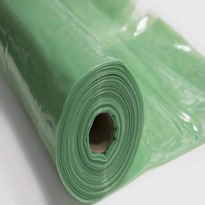
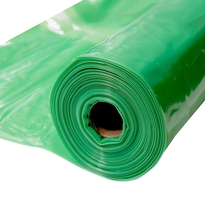
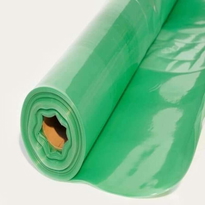
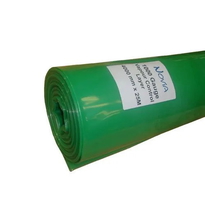
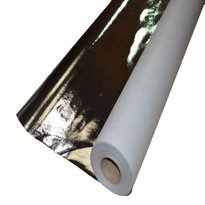
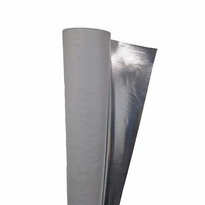
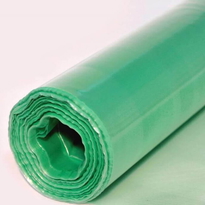
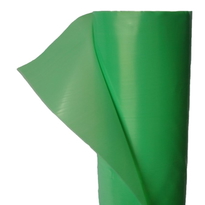
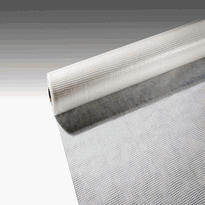
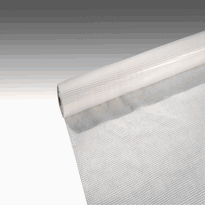
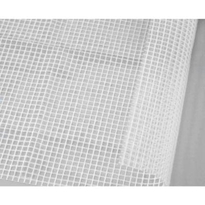
Vapour Barrier 500 Gauge
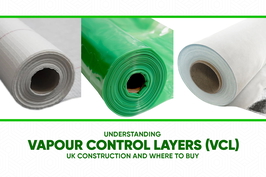
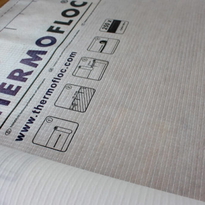
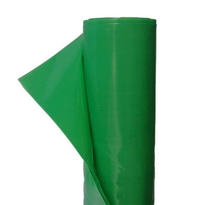
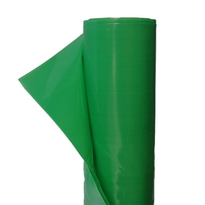
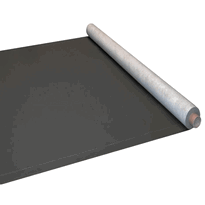
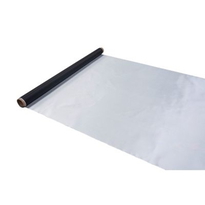
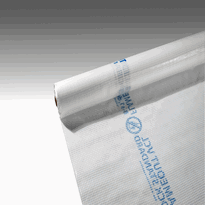
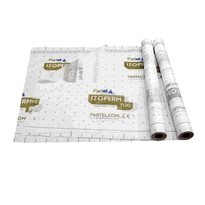
A 500 gauge vapour barrier is a robust and durable membrane specifically designed to manage moisture within buildings. Complying with stringent European and British standards, it provides exceptional resistance to water vapour transfer, effectively helping to prevent issues such as condensation, mould, and dampness. Typically manufactured from virgin-grade polyethylene, this product is ideal for installation beneath concrete slabs or within wall and roof systems.
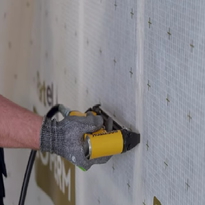
For optimal performance, proper installation is crucial. This includes sealing overlaps and any penetrations to ensure an airtight fit.
As you proceed, consider these essential tips for maximising the effectiveness of a vapour barrier in your building projects.
By taking the time to install it correctly, you can greatly enhance the longevity and comfort of your building while safeguarding it against moisture-related problems.
Understanding the Specifications and Standards
Understanding the specifications and standards of vapour barriers is crucial for ensuring their effective performance in building projects. The CE mark and compliance with the relevant British standards confirm that the material meets stringent European requirements for safety and quality. Certified water vapour resistance ratings demonstrate the barrier's ability to manage moisture and prevent condensation issues within walls and roofs.
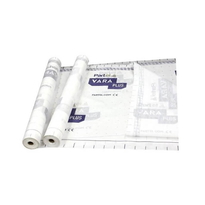
Products such as Visqueen and Novia 500 Gauge conform to Class 1 vapour barrier standards, rendering them suitable for buildings with a low risk of condensation. They come with essential documentation, including Declarations of Performance and BBA certificates, along with installation guides that affirm regulatory compliance and assist in ensuring correct installation.
These standards guarantee that the barrier is durable, reliable, and consistent in its performance, providing peace of mind for builders and homeowners alike.
Key Benefits of Using a 500 Gauge Vapour Barrier
A 500 gauge vapour barrier offers excellent resistance to moisture, effectively preventing water vapour from permeating through walls and ceilings. This crucial function helps to minimise the risk of condensation, which can lead to issues such as mould, dampness, and potential structural damage. VCLs like these are designed to be durable and consistent in performance over time. Furthermore, the use of a vapour barrier enhances the airtightness of the building, contributing to improved energy efficiency and longevity of the structure. By creating a robust barrier against moisture, it supports a healthier indoor environment while also protecting the integrity of the building materials. Incorporating a 500 gauge vapour barrier is a wise investment for those looking to safeguard their property from the adverse effects of moisture, ensuring a durable and energy-efficient home or commercial space.
Strong Moisture Resistance
Vapour barriers with a substantial thickness provide excellent protection against moisture infiltration, which is crucial for maintaining the integrity of building materials. They effectively block water vapour from passing through, helping to keep insulation dry and functioning properly. Class I and II vapour barriers, like polyethylene sheets, are particularly effective in high-permeability applications. This prevents the build-up of moisture, which could lead to mould, decay, or damage to structural elements such as timber and metal components. By controlling moisture movement, these barriers support long-term durability and reduce repair costs. They also help prevent issues like slab curling and uneven drying in concrete, preserving the building’s foundation. Overall, a robust vapour barrier offers strong moisture resistance, safeguarding the building’s condition over time. Its reliable performance creates a safer, more durable environment that benefits everyone who resides within its walls.
Prevents Condensation Risks
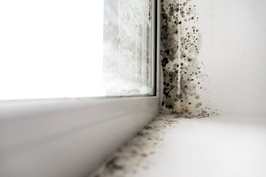
By limiting the movement of warm, moist air into building structures, a high-quality vapour barrier effectively reduces the risk of interstitial condensation. This prevents moisture from accumulating inside walls and roofs, which can compromise insulation and lead to structural damage. Additionally, it minimises the growth of mould and damp stains, thereby safeguarding both the integrity of the building and the health of its occupants. The resistance level ensures effective moisture control.
Benefit |
Description |
| Prevents condensation | Stops warm, moist air from infiltrating layers |
| Protects insulation | Reduces moisture damage, maintains thermal performance |
| Reduces mould and damp | Limits mould spores and damp stains |
| Extends building life | Maintains structural integrity by managing moisture |
Enhances Building Airtightness
Utilising a high-quality vapour barrier significantly enhances a building’s airtightness by establishing a continuous, robust layer that obstructs unwanted airflows.
This thicker barrier ensures that the entire building envelope remains securely sealed, minimising gaps and weak points that allow air to either escape or enter.
It is engineered to function seamlessly with structural supports, preserving its integrity during installation and resisting mechanical damage.
The increased thickness allows for more effective sealing of joints and penetrations, preventing leaks that could compromise airtightness.
By adhering to building regulations, it offers a dependable, long-lasting solution for both residential and commercial properties.
This improved airtightness not only enhances energy efficiency but also contributes to a more comfortable and consistent indoor environment.
Proper Installation Techniques and Best Practices
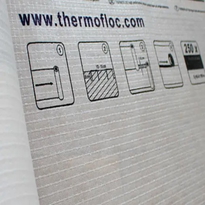
Proper installation begins with handling and storing the vapour barrier with care to prevent any damage prior to use. Proper handling ensures that the integrity of the vapor barrier is maintained, which is critical for its effectiveness during installation. Ensuring that seams overlap correctly and sealing any penetrations accurately is essential for keeping moisture at bay and maintaining the efficacy of the barrier. Correct seam overlap and sealing prevent vapor leakage and gas migration, such as radon. Adhering to these best practices will help sustain durability and performance throughout the project, ultimately contributing to a successful installation and ensuring indoor air quality.
Handling and Storage Adequacy
Proper handling and storage of vapour barrier rolls are crucial for maintaining their effectiveness and facilitating installation. It's important to store these rolls in a clean, dry environment, as this helps prevent contamination and moisture absorption, ensuring the material remains functional. Storing the barrier properly also helps prevent warping or deformation, which can compromise the seal during installation. To reduce the risk of UV damage and maintain flexibility, avoid exposing the rolls to direct sunlight during storage. Additionally, keeping the rolls off the ground and away from sharp objects, chemicals, or heat sources is vital to prevent physical damage. Handling the material with care is essential to avoid any tears or punctures prior to installation. Employing the right lifting tools and techniques will make managing large rolls safer and more efficient. Furthermore, conducting an inspection of the barrier for any defects ensures that only intact materials are used. By prioritising proper storage and careful handling, you can achieve a smoother installation process and ensure a durable, effective vapour barrier. - Store in a clean, dry area protected from sunlight - Keep rolls off the ground to prevent damage - Handle carefully to avoid tears or punctures - Inspect for defects before use
Overlap and Sealing Techniques
Achieving a secure and continuous vapour barrier relies significantly on effective overlap and sealing techniques during installation. Overlaps should be a minimum of six to twelve inches, with seams strategically positioned to direct water away from the enclosed area. Ensuring a clean, dry surface enhances adhesion and seal integrity.
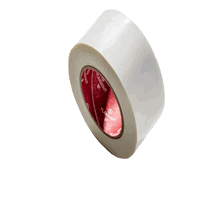
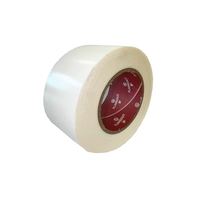
Overlapping sheets must be smooth and flat, devoid of wrinkles or gaps, and uniform in width to maintain consistent protection. Seal overlaps with low vapour permeance tapes, such as butyl or acrylic adhesives, which are UV-resistant and compatible with polyethylene.
Applying tape with firm, even pressure guarantees a robust bond, while the use of a hand roller aids in eliminating air pockets. Conducting visual and tactile checks confirms that seams are fully sealed, preventing moisture ingress and ensuring the barrier's effectiveness over time.
This meticulous attention to detail is essential for safeguarding structures and maintaining a reliable vapour barrier.
Penetration and Edge Sealing
Sealing around penetrations and edges is a vital step in ensuring a continuous vapour barrier. Effective sealing prevents moisture from infiltrating gaps, thereby protecting the interior of the building.
Begin by cutting the vapour barrier to fit snugly around pipes, followed by securing it tightly with low vapour permeance tape. For larger gaps, it's advisable to create a vapour barrier boot that extends significantly beyond the penetration, ensuring all sides are sealed properly.
When using a pre-cut “X” in the boot, this allows for a snug fit over pipes and helps to avoid any voids. In instances where multiple penetrations are in close proximity, applying low permeance mastic can efficiently address any voids that may arise.
At the base edges, it's essential to achieve a tight seal with acoustical sealant or tape. Regular inspections for gaps or peeling are crucial to maintain long-term integrity of the barrier.
Proper installation of the vapour barrier ensures it remains effective and reliable.
Fit and seal around pipes with tape or boot.
Use mastic for grouped penetrations.
Seal edges tightly to floors or plates.
Check for voids and maintain seals.
Material Characteristics and Durability
The material characteristics and durability of the Vapour Barrier 500 Gauge are crucial elements that influence its effectiveness over time.
Constructed from virgin-grade blown polyethylene, it boasts high purity and consistent polymer quality. Its substantial thickness provides a robust physical barrier against moisture while remaining manageable and straightforward to install.
The single-ply, non-laminated design effectively balances durability with simplicity. When installed correctly, it resists punctures, tears, and abrasion, maintaining its integrity amidst normal fluctuations in temperature and humidity.
Although its UV resistance is limited, it's specifically designed for internal applications where it's shielded from direct sunlight. The material's properties are rigorously tested to ensure conformity with industry standards, guaranteeing reliable performance.
Certified to relevant UK standards, the barrier’s strong and reliable materials ensure long-term performance, aiding in the maintenance of dry and stable structures for years to come.
Common Applications in Building Projects
Vapour Barrier 500 Gauge is commonly utilised in various building projects across the UK to manage moisture and protect structural elements.
It's crucial under concrete slabs to prevent ground moisture from infiltrating buildings, thus safeguarding floors, finishes, and furnishings from damp damage and mould. Additionally, it serves as an effective measure for controlling radon gas in foundations, providing an added layer of safety.
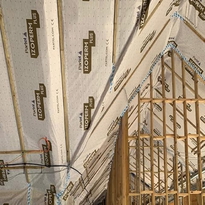
In wall construction, it functions as a vapour control layer on the warm side of insulation, helping to prevent condensation and mould growth within timber frames.
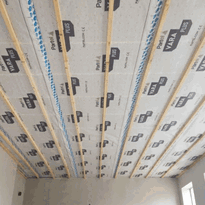
For roofs, it's positioned on the warm side of roof insulation, reducing the risks associated with internal condensation.
Furthermore, in outbuildings, garden rooms, and lightweight structures, it offers cost-effective damp protection, extends the lifespan of finishes, and is straightforward to install, making it ideal for small or DIY projects.
Used beneath concrete slabs to prevent ground moisture
Installed inside timber frame walls to avoid condensation
Placed in roofs to reduce internal vapour build-up
Suitable for lightweight structures like outbuildings
Important Considerations for Optimal Performance
Ensuring optimal performance of a Vapour Barrier requires careful attention to its installation. The barrier must be continuous, with no tears or gaps, to effectively prevent moisture from passing through.
Overlaps should be sealed with proper vapour-proof tape, avoiding duct tape, and must adhere to minimum size guidelines for vertical and horizontal laps, with sufficient tape width. Joints should align over studs or framing members to enhance strength and facilitate sealing.
When it comes to penetrations such as pipes or cables, precise sealing is essential, employing specialised tape or pipe boots to block moisture pathways. Installation should only occur when the framing is dry, and all laps must be securely adhered to prevent future issues.
Proper handling during installation ensures long-lasting and effective moisture protection, contributing to the durability of the structure.
Conclusion
A 500 gauge vapour barrier provides robust protection against moisture transfer in construction projects. Its durability, ease of installation, and versatility for various applications make it a preferred choice for ensuring dry interiors.
Proper handling and a thorough understanding of the material's properties are essential for optimal performance. By selecting the appropriate barrier and adhering to best practices, builders can enhance the longevity and energy efficiency of their structures. This product is a dependable essential for both construction and renovation projects, helping to create healthier living environments.