

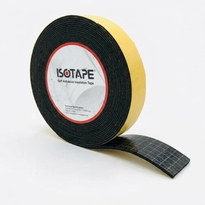
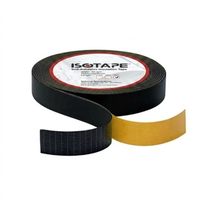
Understanding Adhesive Backed Rubber Tape And Its Bonding Mechanism
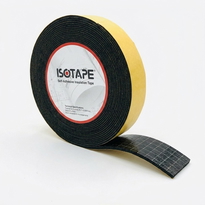
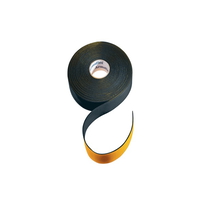
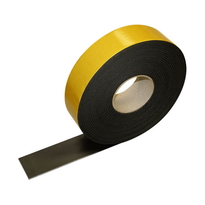
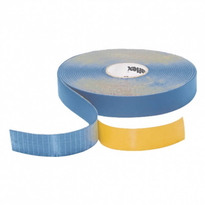
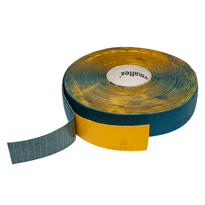
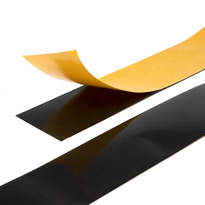
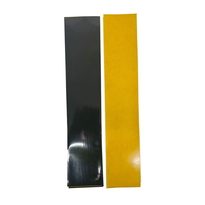
Adhesive backed rubber tape combines a flexible rubber base with a robust adhesive layer, specifically engineered to adhere firmly to a variety of surfaces. This combination ensures outstanding bonding properties, enabling the tape to create a reliable seal or hold under diverse conditions.
The rubber base contributes flexibility, allowing it to maintain contact even on uneven or curved surfaces. The durability of the tape is paramount, as it must withstand wear, moisture, and fluctuations in temperature to ensure long-lasting performance.
The adhesive is formulated to provide strong initial tack as well as sustained adhesion over time. These features collectively make adhesive backed rubber tape a trustworthy option in numerous applications where secure bonding and enduring durability are essential.
This reliability supports users who require consistent results without the need for frequent replacements or failures.
Top Household And Industrial Uses For Adhesive Backed Rubber Tape
Adhesive backed rubber tape is renowned for its reliability, but its extensive range of applications in both households and industries truly showcases its versatility.
In domestic settings, it's an indispensable tool for various repair solutions. From fixing leaks and sealing cracks to patching worn surfaces, this tape provides quick and effective fixes. Additionally, it excels in insulation tasks, helping to weatherproof doors and windows and protect pipes from extreme temperatures.
In industrial environments, the strong adhesive and flexible rubber of this tape make it ideal for bundling cables, sealing joints, and insulating machinery. Many sectors rely on adhesive backed rubber tape for maintenance tasks due to its excellent adhesion to various surfaces and its ability to withstand challenging conditions.
This combination of properties empowers users to tackle a wide range of challenges, establishing adhesive backed rubber tape as a trusted tool across diverse applications.
How To Choose The Right Adhesive Backed Rubber Tape For Your Project
Determining the best rubber tape for a particular task involves several key considerations.
First, assessing the thickness of the tape is essential. Thicker tape typically offers enhanced cushioning and durability, whereas thinner tape provides greater flexibility.
Next, surface compatibility is crucial. The adhesive-backed rubber tape must bond effectively with the materials involved, whether they're metal, wood, or plastic.
Evaluating the environment in which the tape will be used also helps to narrow down choices. Factors such as temperature and moisture can significantly impact adhesion and longevity.
Additionally, understanding the required resistance to chemicals or UV exposure is vital to ensure the tape performs as expected over time.
How To Apply Adhesive Backed Rubber Tape For Best Results
Preparing the surface correctly is the initial step to applying adhesive-backed rubber tape effectively. Proper surface preparation ensures a strong adhesive bond, preventing peeling or failure.
Clean the area thoroughly to eliminate dust, grease, or moisture. Use application techniques that maintain consistent pressure when laying the tape to avoid air bubbles.
Here are key steps for optimal results:
Clean and dry the surface completely before application.
Cut the tape to the desired length, allowing for a slight overlap where necessary.
Press the tape firmly and evenly, smoothing out any bubbles or wrinkles.
Adhering to these guidelines enables users to achieve a durable and secure seal. When applied with care, the tape creates a reliable and lasting bond, benefiting the entire community.
Common Problems With Adhesive Backed Rubber Tape And How To Fix Them
Adhesive-backed rubber tape can occasionally face challenges that impact its performance and longevity. Common issues include adhesive failures, inadequate surface preparation, and environmental factors. These problems may lead to peeling, diminished bonding strength, or a reduced lifespan of the tape.
Surface Preparation
Proper surface preparation is crucial to preventing adhesive failures. Ensure that surfaces are clean and dry before application. Removing any dust, grease, or debris will significantly enhance the tape's adhesion.
Temperature Considerations
Applying the tape at the correct temperature is vital for optimal adhesion. Low temperatures can affect the bonding process, so it's advisable to apply the tape within the manufacturer's recommended temperature range.
Common Problems and Solutions
| Problem | Cause | Fix |
| Tape peeling | Contaminated surface | Clean the surface thoroughly |
| Adhesive failures | Moisture or oils | Use a suitable solvent cleaner |
| Poor bonding | Low application temperature | Apply at the recommended temperature |
| Tape shrinkage | Excessive heat exposure | Avoid high-temperature environments |
| Bubbling or wrinkling | Improper application | Reapply with consistent pressure |
Conclusion
Adhesive backed rubber tape provides versatile solutions for both home and industrial applications. Understanding its bonding mechanism enables users to choose the appropriate type for their specific projects, ensuring longevity and effectiveness.
Employing proper application techniques can help minimise common issues such as peeling or inadequate adhesion. With careful selection and correct use, this tape proves to be a reliable choice for sealing, insulation, and protection tasks.
Addressing potential problems early enhances its performance, thereby extending its usefulness across a variety of applications. Whether for DIY projects or professional use, adhesive backed rubber tape is an essential tool in many settings.