

Best AC Insulation Wrap Materials and Types
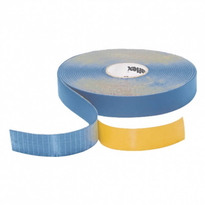
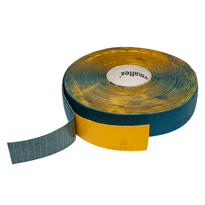
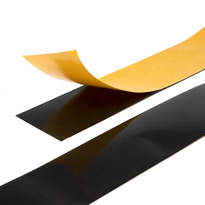
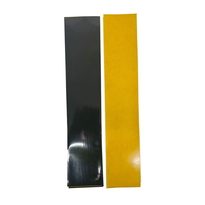
When selecting the best insulation wrap for air conditioning systems, understanding the various materials and types available is crucial.
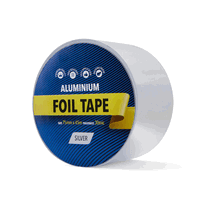
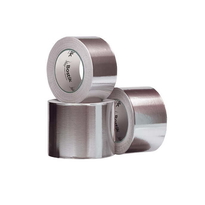
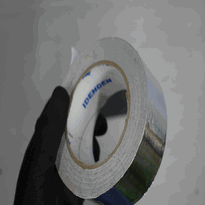
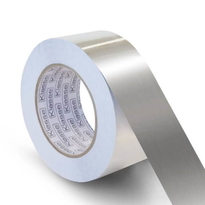
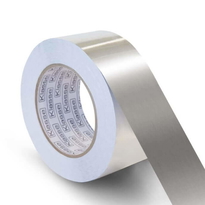
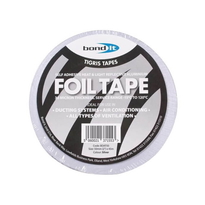
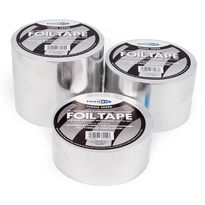
Reflective foil, for instance, effectively reflects radiant heat, significantly reducing heat transfer.
Fibreglass mat comprises tightly woven fibres, providing excellent thermal resistance, although it does require protective covering to prevent moisture damage.
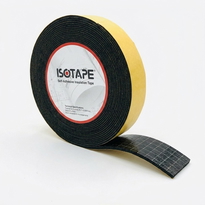
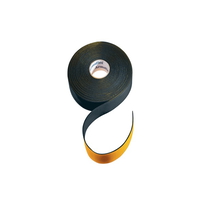
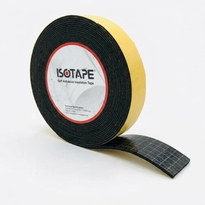
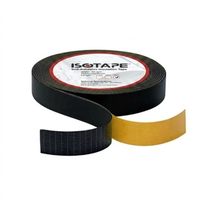
Neoprene foam offers flexible insulation, adapting well to different pipe sizes while resisting oil and chemicals.
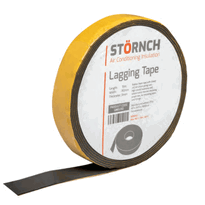
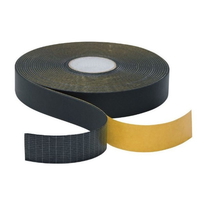
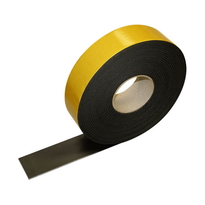
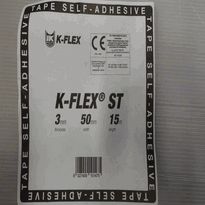
Closed cell rubber insulation is notable for its durability and moisture resistance, efficiently preventing condensation build-up.
Each of these materials serves distinct purposes and environments, making it essential to match the insulation type with specific system requirements.
Choosing the right wrap not only enhances performance but also contributes to the longevity of the air conditioning system, ensuring reliable comfort for those who depend on it daily.
Energy and Cost Savings With AC Insulation Wrap
Installing insulation wrap may appear to be a minor step, but it significantly enhances the energy efficiency of air conditioning systems. By minimising heat transfer through ducts and pipes, insulation wrap enables air conditioning units to operate less frequently while maintaining comfortable temperatures.
This enhancement leads to reduced energy consumption, benefiting both the environment and monthly utility expenses. Communities dedicated to sustainability often adopt these wraps as a straightforward yet effective means of supporting energy efficiency initiatives.
Furthermore, consistent application of insulation wrap can result in noticeable cost savings over time, as less energy is wasted. This allows households and businesses to enjoy financial benefits without sacrificing comfort.
How to Install Insulation Wrap on AC Ducts
Reducing energy waste and cutting costs through insulation wrap is most effective when applied correctly to air conditioning ducts.
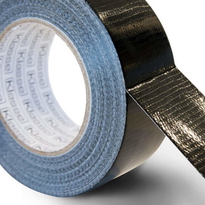
To begin, gather the essential installation tools, including a utility knife, measuring tape, and duct tape specifically designed for sealing.
Measure and Cut
Carefully measure the ducts to determine the appropriate length for the insulation wrap.
Apply the Insulation
Wrap the insulation snugly around the ducts, ensuring complete coverage without any gaps.
Seal the Ducts
Next, it’s important to seal the ducts properly. Use mastic or foil tape to secure seams and prevent air leaks.
Ensure that overlaps between insulation sections are tight and adequately sealed to maintain the integrity of the insulation.
Maintaining and Inspecting Your AC Insulation Wrap
Insulation wrap is vital for ensuring the efficiency of air conditioning ducts. Regular maintenance and inspection are essential for optimal performance. Homeowners should adhere to a straightforward inspection checklist that includes looking for tears, moisture accumulation, or compression in the wrap.
Addressing these issues promptly helps to preserve the benefits of insulation, such as energy savings and minimising heat loss. It is also important to clean the insulation wrap periodically and secure any loose sections to prevent drafts.
Inspecting connections and seams is crucial in avoiding air leaks that can diminish system effectiveness. By maintaining the insulation wrap, users safeguard their investment and enhance overall comfort.
Regular monitoring supports the long-term effectiveness and energy efficiency of the AC system, creating a reliable environment for all. A proactive approach to maintaining your insulation wrap can make a significant difference in performance and comfort throughout your home.
Common Mistakes When Using AC Insulation Wrap
When AC insulation wrap is applied incorrectly, it can significantly reduce the system's efficiency and lead to increased energy costs. Several common misconceptions often contribute to installation errors that affect the performance of the insulation.
One prevalent belief is that thicker insulation automatically results in better performance. However, ensuring a proper fit and effective sealing is equally essential.
Another frequent mistake is neglecting to clean dirt or moisture from the surface before applying the wrap. This oversight can cause the insulation to degrade rapidly, undermining its effectiveness.
Moreover, ensuring that the insulation overlaps correctly and is securely sealed is crucial. Leaving gaps or loose areas allows air and moisture to infiltrate, diminishing the overall performance of the system.
These installation errors not only impede energy savings but may also shorten the lifespan of the equipment.
Conclusion
Selecting and installing the appropriate air conditioning insulation wrap can significantly enhance energy efficiency while reducing costs. Regular maintenance and inspections are essential to ensure the wrap continues to perform effectively over time.
Avoiding common pitfalls, such as improper application or the use of unsuitable materials, is crucial for maintaining system reliability. By familiarising yourself with the best insulation materials and adhering to clear installation guidelines, homeowners can optimise their air conditioning system's performance and promote energy savings.
Consistent care and attention to the insulation wrap will keep it functioning at its best, supporting both long-term savings and comfort in your home.