

What You Need to Know About Suspended Timber Floors
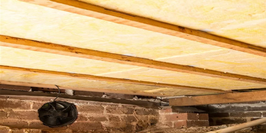
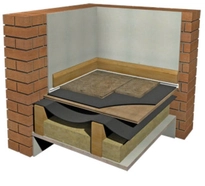
Suspended timber floors are a popular choice in many UK homes due to their ability to provide effective airflow beneath, which helps prevent moisture accumulation and potential structural issues. This design involves elevating the floor above the ground, typically supported by joists or beams, allowing air to circulate freely.
Proper ventilation is crucial in reducing the likelihood of mould, rot, and pests, contributing to a safer and healthier living environment.
These floors are versatile, accommodating various climates and architectural styles. Additionally, they facilitate easier repairs, as access to the space below is straightforward.
Homeowners often appreciate the reliability and simplicity of this flooring system. It's essential to understand how suspended timber floors function, especially when considering insulation, as this can significantly impact comfort, energy efficiency, and long-term durability.
How to Choose the Best Underfloor Insulation for Your Timber Floors
Choosing the right underfloor insulation for timber floors is essential for enhancing energy efficiency and protecting your home’s structure. Here are several key factors to consider:
Climate and Temperature Needs
Assess the thermal insulation required based on your local climate. Different regions have varying temperature needs, so it’s crucial to select insulation that suits your environment.
Space Constraints Beneath the Floor
Evaluate the available space under your floors to determine the appropriate insulation thickness. This will help you choose a product that fits without compromising the structural integrity of your home.
Moisture and Dampness Resistance
Opt for insulation that offers moisture resistance to prevent dampness and mould growth. This is particularly important in areas prone to humidity, as it can safeguard both your floors and health.
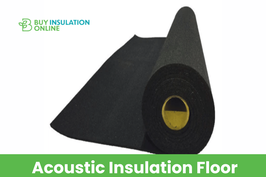
Acoustic Performance for Soundproofing
If noise reduction is a priority, consider insulation with good acoustic properties. This can enhance comfort within your living spaces by minimising sound transmission.
Ease of Installation and Maintenance
Lastly, think about the ease of installation and how the insulation will integrate with your existing flooring. Simple installation can save time and effort, while low-maintenance options will provide long-term benefits.
Top Insulation Types for Energy Efficiency and Easy Installation
When selecting underfloor insulation, the choice of material is crucial for achieving energy efficiency and ease of installation.
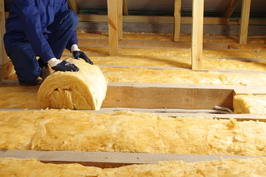
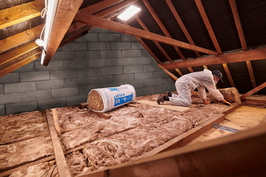
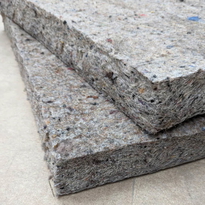
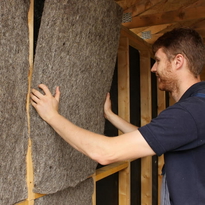
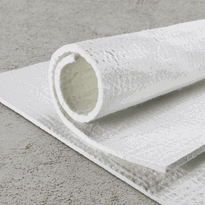
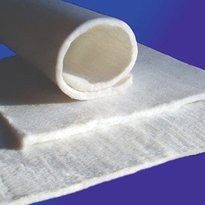
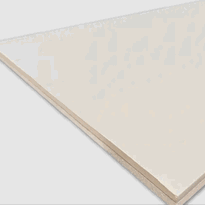
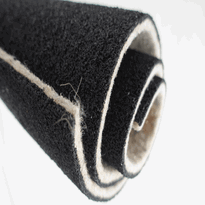
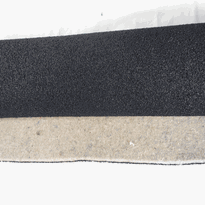
Wool-based materials, such as sheep’s wool, are natural insulators renowned for their effectiveness. They're straightforward to install, requiring minimal tools, making them a popular option for homeowners looking for hassle-free solutions.
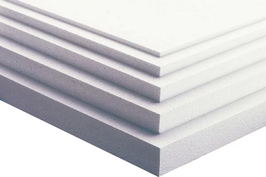
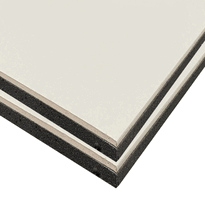
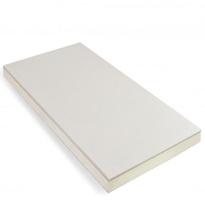
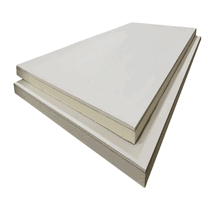
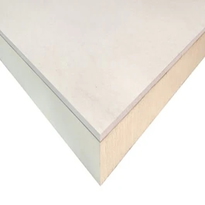
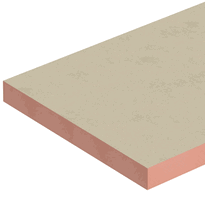
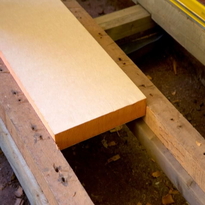
Foam boards and rigid foam insulation are also favoured due to their lightweight properties and quick installation process, fitting seamlessly between floor joists.
Reflective foil insulation complements other materials well, as it reflects heat, thereby enhancing overall efficiency.
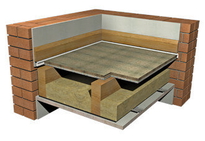
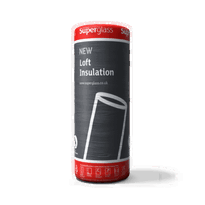
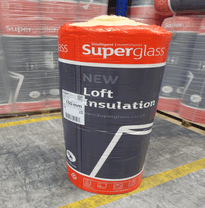
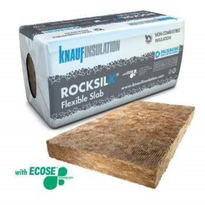
Mineral wool is another excellent choice, offering superb thermal properties alongside soundproofing benefits, providing versatility for varied needs.
Each insulation type brings distinct advantages, all designed to simplify the installation process while significantly reducing energy costs.
This ensures that homeowners can enjoy warmer floors and lower energy bills without unnecessary complications.
Step-by-Step Guide to Installing Underfloor Insulation Properly
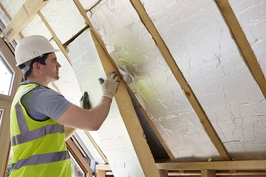
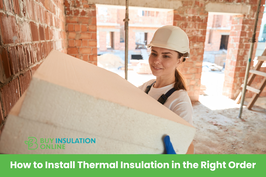
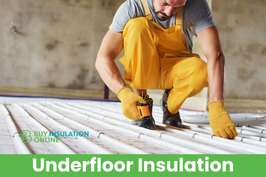
To ensure that underfloor insulation is installed correctly and operates efficiently, it’s crucial to follow a clear, step-by-step process.
First, measure the area accurately to determine the right quantity of insulation required.
Next, clear the space beneath the floor, removing any obstacles that may hinder the installation.
After this, cut the insulation material to fit snugly between the joists, taking care not to compress it.
When installing, ensure that the insulation fits tightly and covers the entire area, providing consistent warmth throughout.
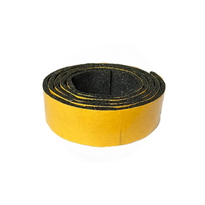
Finally, secure the insulation in place if necessary and double-check for any gaps or compression points that could affect its performance.
Measure the area accurately
Clear the underside of the floor
Cut insulation to size
Install snugly between the joists
Secure and check for gaps
Maintaining Your Insulation for Long-Lasting Comfort and Efficiency
Regular maintenance of your underfloor insulation is vital for maintaining its effectiveness and ensuring enduring comfort. Over time, insulation can settle, sustain damage, or accumulate dust and debris, all of which diminish its efficiency.
Conducting routine inspections enables homeowners to identify issues early, such as gaps or deterioration, and address them promptly. Keeping the area free from obstructions and pests helps preserve the insulation’s performance.
If insulation has shifted or been damaged, it should be carefully adjusted or replaced. Proper maintenance also requires ensuring adequate ventilation to prevent moisture build-up, which can lead to mould or rot.
Consistent upkeep not only safeguards the insulation’s properties but also fosters a cosy, energy-efficient home environment. This contributes to a sense of belonging and comfort for everyone inside.
Conclusion
Choosing the right underfloor insulation for suspended timber floors is essential for enhancing energy efficiency and comfort in your home. By familiarising yourself with the various types available and adhering to proper installation methods, you can achieve effective insulation that endures.
Regular maintenance is crucial for preserving the insulating properties over time. With thoughtful selection and correct installation, your timber floors will ensure reliable warmth and energy savings for years to come, contributing to a more comfortable and cost-effective living environment.
Investing in quality underfloor insulation not only improves your home’s thermal performance but also helps in reducing heating costs, making it a wise choice for homeowners in the UK.