Best Way to Insulate Outside Pipes
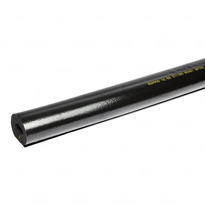
To effectively insulate outside pipes, it is important to choose materials suitable for UK environmental conditions, such as foam or rubber that offer moisture resistance and UV protection. Carefully measure the length and diameter of the pipes to ensure the insulation fits properly. Before applying, thoroughly clean and dry the pipe surfaces to promote secure adhesion. Wrap the insulation materials securely around the pipes, paying close attention to seal joints and fittings with specialized connectors or tape to prevent any air or water ingress. Additionally, consider applying protective coverings like weatherproof jackets to shield the insulation from rain, snow, and UV rays. Regular maintenance and inspections are essential to maintain optimal insulation performance and to identify any potential areas needing repair or replacement. Following these guidelines will help ensure your outside pipes remain well insulated and protected against the UK's variable weather conditions.
Selecting the Right Insulation Material for Outdoor Pipes
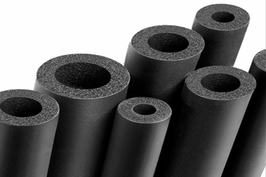
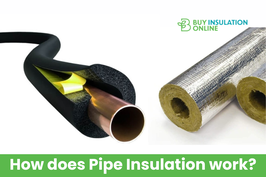
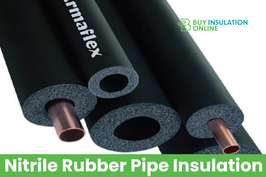
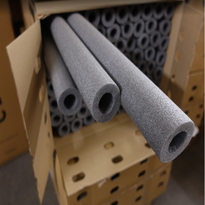
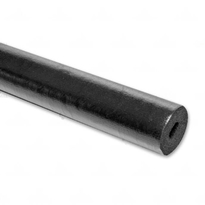
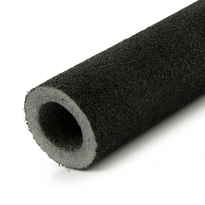
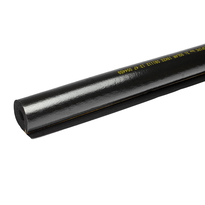
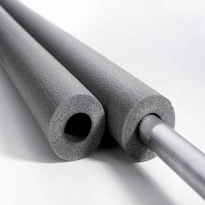
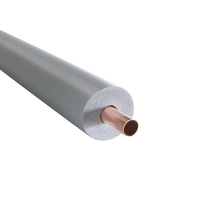
Selecting the appropriate insulation material for outdoor pipes requires careful consideration of various factors, including environmental conditions, the function of the pipes, and the desired lifespan of the insulation. Fiberglass insulation, for example, offers excellent heat retention and energy efficiency, making it suitable for hot pipes, but it can be more expensive and may cause skin and respiratory irritation during installation. Foam insulation, such as polyethylene foam, is lightweight, flexible, and highly effective for preventing freezing. Its low thermal conductivity and moisture resistance make it a popular choice in outdoor applications. Fiberglass insulation also provides fire-resistant properties, adding an extra layer of safety for outdoor piping. Rubber insulation, particularly EPDM rubber, offers superior durability, UV resistance, and flexibility. These qualities make it well-suited for harsh weather conditions and help prevent pipe corrosion over time. For hot pipes exposed to elevated temperatures, materials like fiberglass and mineral wool provide excellent heat resistance. However, they require additional weatherproofing measures to ensure long-term performance in outdoor environments. Advanced foam varieties, such as polyisocyanurate and polyurethane, combine high thermal efficiency with moisture resistance and durability. These materials help maintain pipe integrity over extended periods, even when subjected to challenging weather conditions. Ultimately, the choice of insulation depends on specific environmental exposures and the role of the material in protecting and maintaining the integrity of the pipes over time.
Measuring and Preparing Your Pipes for Insulation
Accurate measurement of outdoor pipes is crucial to ensure the correct sizing of insulation materials, which directly affects their thermal performance and efficiency. Proper measurement involves determining the outside diameter (OD) with a caliper or specialized pipe measuring tool, alongside verifying the pipe length to estimate insulation requirements. Using the correct measurement tools, such as calipers or tape measures, is essential for obtaining accurate dimensions. For pipes with irregular or oval shapes, multiple measurements are essential to calculate accurate averages for both width and height. This approach prevents the ordering of insulation that is either too small or oversized, thereby optimizing performance and minimizing waste. Correct measurements also help in selecting the appropriate pipe lagging size, which is vital for effective insulation.
In addition, proper preparation of the pipes is vital for effective insulation application. This includes thoroughly cleaning the surfaces to remove dirt, debris, or any corrosion; checking for any damage or defects; and ensuring the pipes are completely dry before fitting the insulation. These steps are essential to promote good adhesion and long-lasting insulation. Ensuring the pipes are in good condition prior to insulation also helps in reducing the risk of future condensation issues and extends the lifespan of the insulation.
Below is a table summarizing key concepts of pipe measurement and preparation:
Tool |
Measurement Focus |
Action |
| Calliper or specialised pipe measuring tool | Outside diameter (OD) | Measure at multiple points along the pipe |
| Tape measure | Pipe length | Measure from end to end |
| Markers or labels | Measurement points | Mark locations for complex or uneven setups |
Following these measurement and preparation steps will help ensure your pipe insulation is correctly fitted, optimizing thermal efficiency and durability.
Step-by-Step Installation Techniques for Effective Pipe Insulation
Effective pipe insulation installation begins with precise measurement and careful preparation, as these steps directly impact insulation effectiveness and durability.
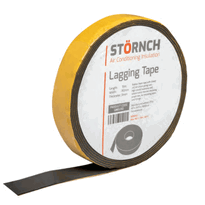
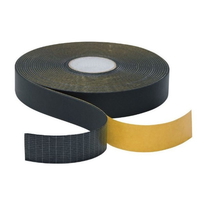
First, measure the length of the pipe accurately and cut the insulation material accordingly, ensuring complete coverage without gaps. Use pre-slit foam sleeves to facilitate easy application on straight pipes, or cut foam tubing lengthwise for custom fitting. Proper measurement prevents gaps that can reduce insulation efficiency. Wrap fiberglass insulation carefully, maintaining its thickness by avoiding compression, and secure it with appropriate tape. Seal seams by overlapping edges slightly and taping ends tightly to prevent air infiltration and moisture intrusion.
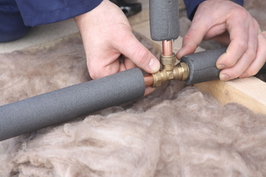
Corner and joint areas should be insulated with specialized connectors, cut to fit tightly around fittings, valves, and elbows. Throughout the process, use tape or adhesive to secure the insulation in place at intervals of approximately one meter for consistent coverage and stability.
Protecting Insulation From Environmental Damage and Wear
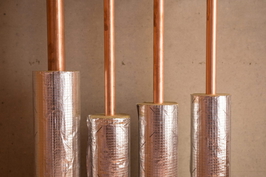
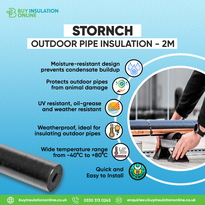
Protecting insulation from environmental damage and wear is essential to maintaining its effectiveness and prolonging its operational lifespan. Durable outer jackets made from UV-resistant materials, such as polyethylene or PVC, shield insulation from sun degradation, minimising deterioration over time. [UV resistance is crucial in outdoor environments. Weatherproof covers safeguard pipes from moisture, rain, hail and wind, preventing water infiltration that can compromise insulation performance. Employing animal-resistant casings or metal mesh guards deters rodents and wildlife that may chew through materials, preserving the insulation’s integrity. Regular inspection and prompt replacement of worn or cracked covers are vital to prevent further deterioration, ensuring the insulation continues to serve its purpose effectively. This proactive approach helps maintain both the safety of the piping system and its thermal efficiency over a longer period. Selecting insulation with reflective foil layers can further enhance its durability by effectively reflecting infrared radiation and reducing thermal stress on the external protective covering.
Maintaining and Monitoring Your Outdoor Pipe Insulation
Maintaining and monitoring outdoor pipe insulation requires a systematic approach to ensure it continues to perform effectively under varying environmental conditions. Regular inspections should be scheduled before winter and periodically during colder months to assess the integrity of the insulation. [Water expansion during freezing can damage unprotected pipes, making monitoring even more critical. Examine all insulation materials for cracks, tears, or compression that could compromise protection, and check fittings, elbows, and joints for proper coverage and secure placement. Proper sealing and moisture resistance are essential to prevent water infiltration that can lead to insulation failure. Watch for signs of moisture infiltration or water damage, which can indicate failure of waterproofing measures. Additionally, inspect insulation around outdoor taps and hose bibs to ensure a proper fit. To optimise performance, keep detailed records of inspection dates, repairs, environmental conditions, and visible changes. This thorough approach helps provide consistent protection, minimising the risk of freezing pipes and water damage.
Conclusion
Proper insulation of outdoor pipes involves selecting suitable materials, accurately measuring and preparing the pipes, carefully applying the insulation with correct techniques, and safeguarding it against environmental damage. Regular maintenance and monitoring ensure the insulation remains effective over time. Following these detailed steps minimises heat loss, prevents freezing, and extends the lifespan of piping systems. Adhering to a systematic approach guarantees reliable performance, cost efficiency and reduces the likelihood of costly repairs caused by weather-related pipe damage.
Featured Articles on Best way to insulate outside pipes