Condensate Drain Pipe Insulation
Proper insulation of condensate drain pipes is essential for preventing heat loss, reducing the risk of freezing, and safeguarding against moisture-related damage. By effectively insulating these pipes, the lifespan of the system is extended, and overall efficiency is maintained.
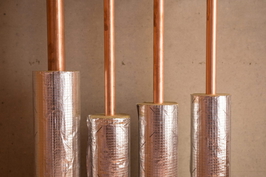
Suitable insulation materials include polyethylene, fiberglass, rubber, polyurethane, and foam glass. The selection of material should be based on factors such as operating temperature, environmental exposure, and the type of pipe being insulated.
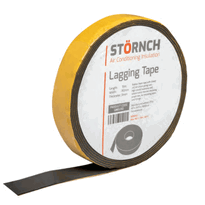
Effective installation requires securing vapor barriers to prevent condensation issues and considering environmental conditions such as wind exposure or confined spaces, which may influence insulation performance.
Understanding these core principles enables the development of more durable and reliable condensate drainage systems over time, ensuring they function efficiently across varied UK climates.
Types of Pipe Insulation Suitable for Condensate Drains
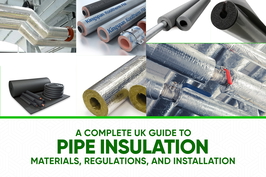
Several types of pipe insulation are suitable for condensate drain applications, each selected based on specific performance requirements and environmental conditions.
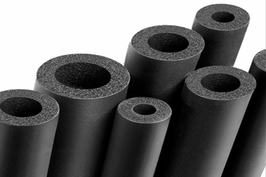
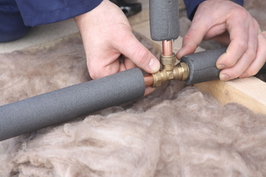
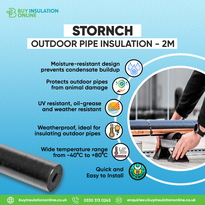
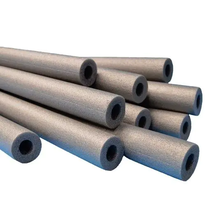
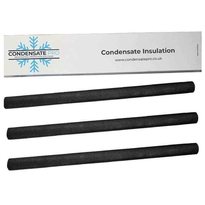
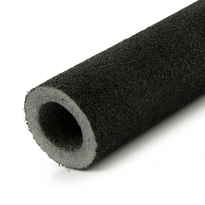
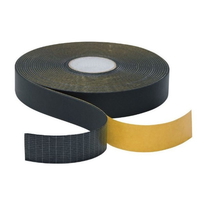
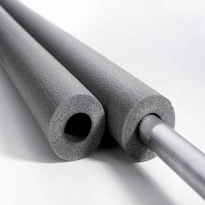
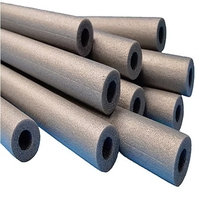
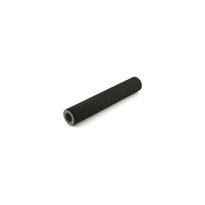
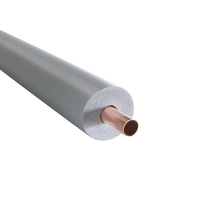
Polyethylene insulation is lightweight, flexible, and resistant to moisture absorption, making it easy to install around tight bends. It's particularly ideal for residential or commercial HVAC systems where ease of handling is important. Polyethylene is also non-corrosive, which helps prevent pipe deterioration over time. To ensure optimal performance, selecting appropriate insulation profiles can improve sealing and durability in demanding environments.
Polyurethane and polyisocyanurate foam insulations provide high thermal resistance, durability, and excellent moisture resistance. These qualities help prevent pipe corrosion and enable the insulation to withstand high temperatures, making them suitable for various industrial settings.
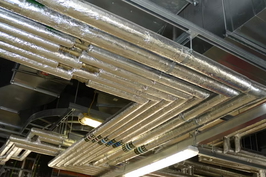
Fiberglass insulation, often used with protective jackets, offers good thermal properties and fire safety. However, it requires careful installation to prevent moisture ingress, which could compromise its insulating efficiency over time.
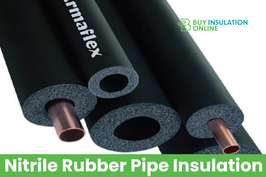
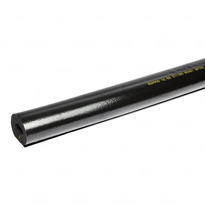
Rubber insulation offers resilience, flexibility, and exceptional water resistance. It performs well in environments subject to vibrations, movement, or chemical exposure, making it suitable for dynamic industrial applications.
Foam glass insulation features outstanding moisture resistance and structural stability, even in extreme cold conditions. Its robustness makes it appropriate for specialized industrial and outdoor environments where reliability is critical.
Choosing the right insulation depends on the specific needs of the condensate drain system, environmental conditions, and the operational demands of the installation location.
Significance of Proper Insulation for Condensate Drain Pipes
Proper insulation of condensate drain pipes is crucial for ensuring their reliable operation and maintaining the efficiency of associated heating and cooling systems. Effective insulation offers several important benefits, including:
Reducing heat loss, which helps sustain higher temperatures in returning water or steam condensate, thereby enhancing overall system efficiency.
Preventing freezing in colder UK climates, which can otherwise lead to blockages, pipe bursts, and system malfunctions.
Controlling external condensation, thus protecting building materials from moisture damage and minimizing the risk of mold growth.
Extending pipe lifespan by reducing thermal stress and corrosion caused by temperature fluctuations.
Implementing proper insulation practices not only improves system performance but also preserves the longevity of pipework, ensuring durability and reliability in varying weather conditions.
Essential Factors in Selecting and Installing Pipe Insulation
Selecting the appropriate pipe insulation involves considering multiple critical factors to ensure effective thermal management and protection against moisture-related issues. The choice of material is essential, with options such as fiberglass, rubber, foam, or polyethylene, each suited for specific temperature ranges and environments. Material selection is crucial for durability and performance. Vapor barriers play a vital role in preventing moisture ingress, especially in condensate lines that are prone to condensation. Proper installation of these barriers helps maintain the integrity of the insulation and prevents issues such as corrosion or mold growth. The thickness of the insulation must be carefully calculated to keep the surface temperature of the pipe above the dew point, thereby preventing condensation. When determining the appropriate thickness, factors such as pipe size, temperature differential, and environmental conditions—including humidity levels and outdoor exposure—should be taken into account. Compatibility with the pipe material, whether metal or plastic, also influences the choice of insulation. Metals conduct heat more readily than plastics, often requiring thicker layers or specialized materials to achieve the desired insulation performance. Proper installation techniques are crucial for long-term effectiveness and durability. This includes sealing vapor barriers to prevent moisture penetration and assessing environmental factors—such as wind exposure or confined spaces—that may affect insulation performance. Environmental considerations should also be taken into account to ensure optimal protection and longevity of the insulation system.
Enhancing System Efficiency and Longevity Through Proper Insulation
Enhancing the efficiency and lifespan of condensate drain systems depends significantly on the application of suitable insulation techniques. Proper insulation minimizes heat loss, prevents moisture-related damage, and supports optimal system performance. These measures are particularly important in climates with harsh temperature fluctuations. Effective insulation can reduce heat loss by up to 90%, helping to maintain higher water temperatures and decreasing energy consumption. The key benefits include:
Preserving heat in hot condensate, thereby reducing the workload on heating systems.
Preventing condensation and subsequent corrosion, which extends the lifespan of pipes.
Protecting against freezing temperatures in colder weather, thus avoiding pipe ruptures.
Maintaining consistent thermal conditions, which reduces system cycling and lessens strain on equipment. For enhanced protection, selecting appropriate pipe insulation tools ensures a proper and durable installation.
Implementing these insulation measures leads to improved overall efficiency, lowers maintenance requirements, conserves energy, and prolongs the operational life of condensate piping systems. This ensures reliable performance over time and contributes to the more sustainable operation of heating and cooling systems across UK settings.
Conclusion
Proper insulation of condensate drain pipes is essential to prevent condensation, reduce energy loss, and extend the lifespan of the pipes. Selecting appropriate insulation materials, ensuring correct installation, and taking into account factors such as temperature and environmental exposure are vital for maintaining system efficiency.
By adhering to these guidelines, maintenance costs can be reduced, and operational reliability can be improved. Ultimately, diligent insulation practices ensure that the condensate drainage system functions effectively, helping to preserve building integrity and safety over the long term.
Featured Articles on Condensate drain pipe insulation