Copper Pipe Insulation Outdoor
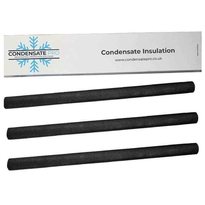
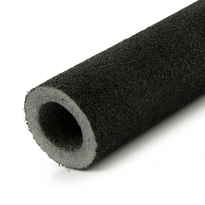
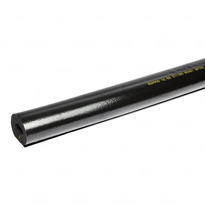
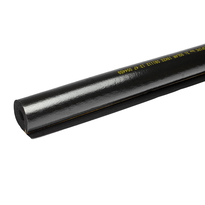
Outdoor copper pipe insulation typically involves elastomeric rubber or foam-based materials, selected for their resistance to moisture, UV rays, and physical impacts. Proper insulation should have low thermal conductivity, appropriate thickness (usually 25–40 mm), and moisture barriers to prevent condensation. Secure fixing and weatherproofing, including protective coverings, ensure durability and safety, while regular inspection helps maintain performance. Continued research and development reveal detailed steps to optimize insulation effectiveness and long-term protection.
Types of Insulation Suitable for Outdoor Copper Pipes
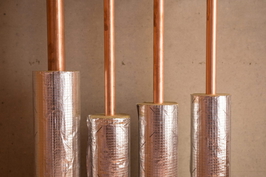
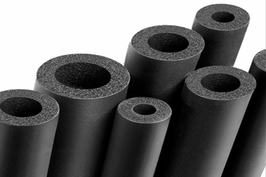
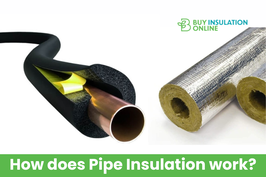
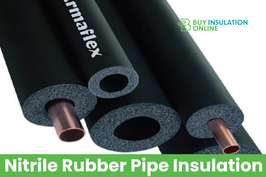
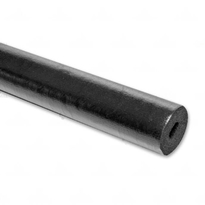
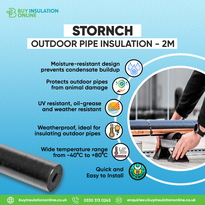
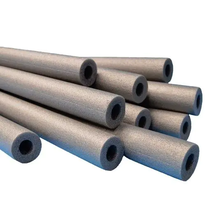
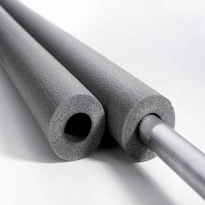
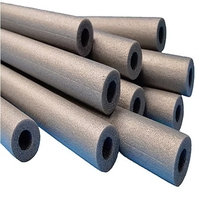
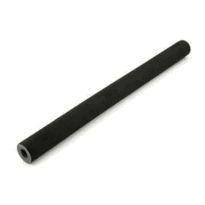
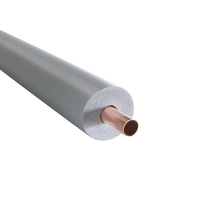
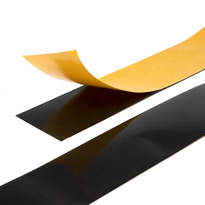
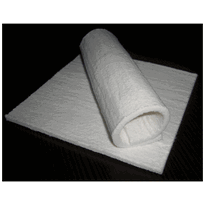
Choosing the appropriate insulation for outdoor copper pipes is crucial to optimize their efficiency and extend their lifespan. Elastomeric, or rubber, insulation is highly suitable because it resists moisture, mold growth, and ultraviolet (UV) exposure, making it ideal for outdoor environments. Its flexibility allows it to accommodate pipe expansion and contraction without damage, providing a durable and effective barrier. Properly selected insulation also supports compliance with electrical safety standards by ensuring secure and protected connections. Foam-based insulation, particularly flexible foam, offers a cost-effective alternative. It helps reduce condensation and heat loss while being easier to install due to its pre-slit design. However, it's less robust in harsh weather conditions and may require additional weatherproofing or more frequent replacement to maintain its performance. When selecting insulation, understanding these differences enables you to make informed choices that ensure the longevity and optimal performance of outdoor copper piping systems. Proper insulation not only protects your pipes from the elements but also helps maintain energy efficiency in your property.
Key Performance Criteria for External Pipe Insulation
When selecting external pipe insulation, it is essential to focus on its capacity to reduce heat loss, withstand outdoor conditions, and deliver long-term performance. The insulation material should have low thermal conductivity (expressed as a low K-value), which ensures minimal heat transfer from the pipe to the surroundings. The ideal thickness of the insulation must be chosen carefully, taking into account pipe diameter, temperature differential, and ambient conditions. Generally, thicker insulation—ranging from approximately 25 to 40 millimeters—provides significant benefits in reducing heat loss, especially on larger pipes.
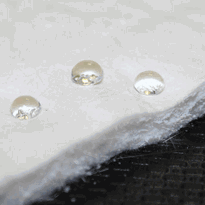
Durability against environmental factors such as ultraviolet (UV) rays, moisture ingress, and physical impacts is vital to maintain insulation effectiveness over time. Protective coverings or specialized coatings are often necessary to enhance the material's resistance to these elements. Incorporating moisture barriers prevents condensation and corrosion, which could otherwise compromise insulation performance and lead to potential pipe damage. Material resistance to environmental degradation is a key factor in ensuring longevity and performance in outdoor settings.
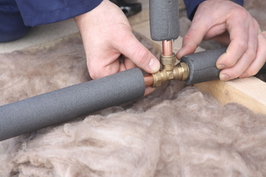
Proper installation practices are crucial for optimal results. Insulation must be applied continuously around fittings and joints, with attention paid to correct thickness and secure fixing, all in line with relevant standards and best practices. Well-executed installation ensures the longevity and reliability of the insulation system.
Below is a table summarising the key criteria for selecting and maintaining effective outdoor pipe insulation:
Criterion |
Description |
Importance |
| Thermal Conductivity | The material's ability to resist heat transfer (low K-value) | Minimises heat loss effectively |
| Insulation Thickness | Based on pipe size, temperature difference, and environmental factors | Optimises thermal performance |
| Weather Resistance | Resistance to UV radiation, moisture, and physical impacts | Ensures longevity in outdoor environments |
| Moisture Barrier | Prevents condensation and corrosion | Maintains insulation and pipe integrity |
| Mechanical Durability | Resistance to cracking, shrinking, and environmental wear | Guarantees sustained performance |
Choosing the right external pipe insulation based on these criteria will enhance efficiency, extend service life, and ensure compliance with UK standards for outdoor piping systems.
Installation and Maintenance Tips for Outdoor Use
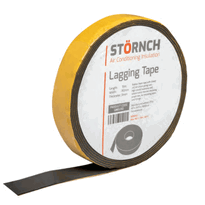
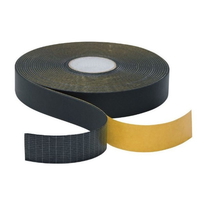
Proper installation and ongoing maintenance of outdoor copper pipe insulation involve multiple coordinated steps that ensure maximum efficacy and durability over time. Initially, accurate measurement of the pipe’s length and diameter is essential to select the appropriate insulation material, such as rubber foam or nitrile, providing a secure fit. Using the right material enhances insulation effectiveness and resists environmental wear. During installation, insulation must be cut precisely, aligned parallel to the pipe, and secured with adhesive or tape to prevent displacement. Supporting systems like pipe clamps or rails improve stability, while weatherproofing measures protect against environmental factors such as sunlight and moisture. Additionally, employing advanced insulation systems can lead to improved performance in outdoor conditions. Regular inspections are necessary to identify any damage. Meanwhile, waterproofing joints, replacing worn insulation, and cleaning the pipe surface help maintain performance. Properly maintained insulation reduces heat loss, extends pipe longevity, and promotes energy efficiency.
Conclusion
Selecting the appropriate outdoor copper pipe insulation requires careful consideration of material suitability, durability, and resistance to environmental influences. Proper installation plays a vital role in ensuring maximum protection against temperature fluctuations, moisture, and corrosion. Regular maintenance of the insulation system helps preserve its effectiveness and extends the lifespan of the pipes.
By choosing materials that meet essential performance standards and adhering to systematic installation procedures, property owners can effectively minimise heat loss, prevent condensation, and safeguard their piping systems from damage. Consistent and accurate application of these practices guarantees the long-term reliability and efficiency of outdoor copper piping installations, thereby promoting energy conservation and reducing maintenance costs.
Featured Articles on Copper pipe insulation outdoor