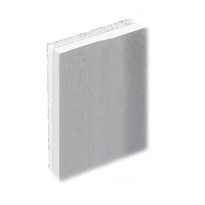
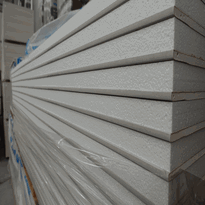
Expanded Polystyrene
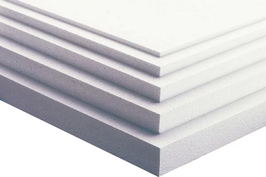
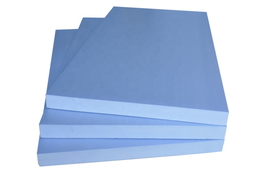
Expanded polystyrene (EPS) is a lightweight, rigid foam made from long chains of polystyrene derived from hydrocarbon beads, which are expanded using blowing agents such as pentane. It features a cellular structure comprising approximately 98% air, offering excellent thermal insulation, shock absorption, and moisture resistance.
Widely utilized in the construction industry, packaging, and various industrial applications, EPS provides a durable and versatile solution. However, its environmental impact includes challenges related to recycling and microplastic pollution.
Ongoing research and innovation are focused on reducing EPS’s ecological footprint, exploring sustainable alternatives, and improving recycling processes to enhance its sustainability and minimize environmental harm.
Composition and Structural Properties of EPS
Expanded Polystyrene (EPS) is primarily composed of carbon and hydrogen atoms arranged in a polymer structure known as polystyrene. This structure consists of long chains of repeating C8H8 units. These chains form the backbone of EPS, with benzene-like phenyl groups attached to the carbon backbone, creating a stable, synthetic aromatic hydrocarbon.
EPS resin beads are produced from expandable polystyrene, which is manufactured using hydrocarbon blowing agents such as pentane. These agents induce expansion during the manufacturing process. The cellular structure of EPS results from fusing these resin beads through heat and steam, forming a rigid, closed-cell foam filled predominantly with air—approximately 98%.
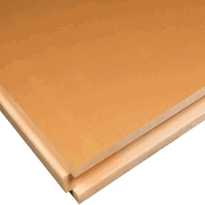
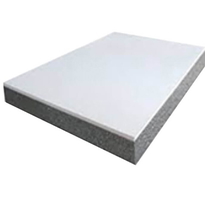
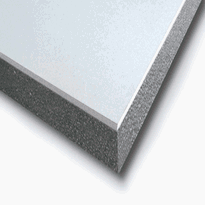
This high air content contributes to its lightweight properties. The beads are spherical and fused, maintaining boundaries that give EPS a granular texture when cut or fractured. This texture influences its mechanical strength and thermal insulating capabilities, making it suitable for a variety of construction and packaging applications.
Applications and Benefits of EPS in Various Industries
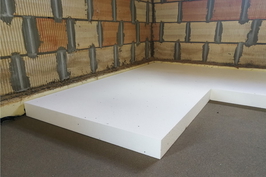
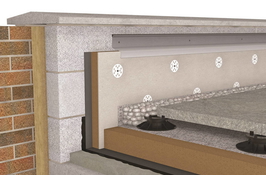
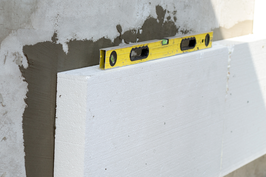
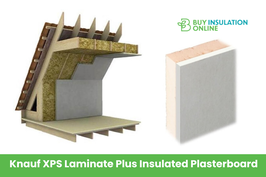
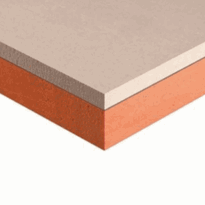
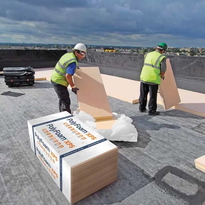
Expanded Polystyrene (EPS) plays a vital role across multiple sectors due to its advantageous combination of lightweight properties, thermal insulation capability, and durability. In the construction industry, EPS is extensively utilized for insulating walls, roofs, and foundations, which enhances energy efficiency and helps to lower heating and cooling costs.
It's also employed as a lightweight fill material in road construction and landscaping, providing stability while minimizing settlement. Furthermore, EPS acts as a void former in concrete structures, reducing overall weight without compromising strength.
In packaging, EPS offers excellent shock absorption and moisture resistance, safeguarding fragile items such as electronics and glassware during transit. Its application in refrigeration systems ensures temperature stability, leading to reduced energy consumption.
Within the automotive and industrial sectors, EPS contributes to impact absorption, weight reduction, and water resistance, supporting improved safety, operational efficiency, and durability across various applications.
Additionally, EPS's capacity to be recycled and reprocessed contributes to sustainable packaging practices, making it an eco-friendly choice for environmentally conscious industries.
These properties make EPS a versatile and valuable component across diverse industries in the UK, aiding in creating energy-efficient, sustainable, and reliable solutions.
Environmental Impact and Emerging Innovations in EPS
Although expanded polystyrene (EPS) provides numerous advantages in sectors such as insulation and packaging, its environmental implications require careful scrutiny. EPS is non-biodegradable and tends to fragment into microplastics over time. These tiny particles are ingested by marine wildlife and seabirds, leading to injury, malnutrition, and fatalities. Its lightweight properties facilitate dispersal across various ecosystems, increasing the scope of environmental contamination. Additionally, chemical additives used in EPS can pose toxicity risks to both wildlife and humans. The persistent nature of EPS makes it especially problematic as ocean currents carry its fragments worldwide, further amplifying environmental damage. Recycling EPS is notoriously challenging due to high costs, contamination issues, and inadequate waste management infrastructure, which results in most waste ending up in landfill sites or as litter in the natural environment. Moreover, limited recycling facilities hinder large-scale recovery efforts despite ongoing research. Despite these challenges, emerging innovations such as biodegradable additives and advanced chemical recycling technologies are being developed to reduce EPS’s environmental footprint.
The table below compares EPS with other plastics, illustrating how recent technological advancements are contributing to more sustainable solutions:
Aspect |
Impact or Innovation |
| Microplastic Pollution | EPS fragments into microplastics that threaten marine and terrestrial wildlife |
| Toxicity from Additives | Chemical components in EPS can pose health risks to animals and humans |
| Recycling Difficulties | Recycling is complex and costly, leading to low recovery rates |
| Sustainable Alternatives | Development of biodegradable additives and innovative recycling methods |
Conclusion
Expanded polystyrene (EPS) remains a versatile material with extensive applications across various industries, offering benefits such as lightweight durability and cost-effectiveness. Its widespread use includes packaging, construction, and insulating components due to its favorable structural properties.
Understanding the composition of EPS—consisting primarily of polystyrene beads that are expanded and fused together—enables more informed and appropriate use. Its cellular, lightweight structure provides excellent insulation and shock absorption, making it a popular choice for many commercial and industrial purposes.
Awareness of the environmental impacts associated with EPS encourages the development of innovative, eco-friendly alternatives. Although EPS is recyclable, it is often not disposed of sustainably, leading to environmental pollution, particularly in marine environments and landfills. Ongoing research seeks to balance the practical advantages of EPS with ecological considerations by improving recycling methods and exploring biodegradable substitutes.
Continued advancements aim to optimize EPS's utility while reducing its ecological footprint, ensuring responsible utilization aligned with sustainable development goals. Ultimately, comprehensive knowledge of EPS supports informed decision-making in the manufacturing, construction, packaging, and waste management sectors within the UK.