

Garden Room Insulation
Effective garden room insulation requires careful selection of materials to ensure optimal thermal performance, moisture resistance, and fire safety. PIR (polyisocyanurate) panels are an excellent choice, offering high thermal efficiency and durability. However, their installation must be carried out with precision to achieve the best results.
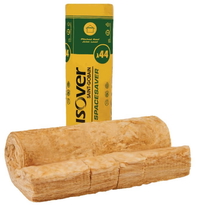
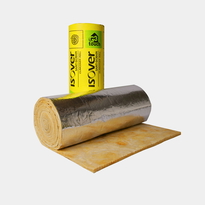
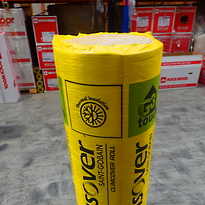
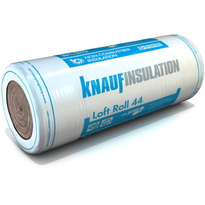
Fibreglass insulation presents a more affordable alternative and can be effective if installed correctly, but it necessitates proper safety precautions during handling due to its irritant properties. EPS (expanded polystyrene) insulation is also widely used for outdoor structures because of its weatherproof qualities and robustness.
When planning insulation, it is essential to consider regional climate conditions, including humidity, wind exposure, and specific building regulations applicable in the UK. Selecting sustainable options can help reduce long-term costs and environmental impact, contributing to an energy-efficient and comfortable space throughout the year.
Overall, prioritising high-quality materials and proper installation techniques will ensure your garden room remains well-insulated, energy-efficient, and suitable for all seasons.
Types of Insulation Materials for Garden Rooms
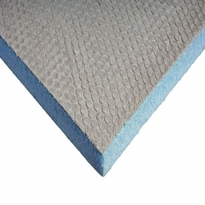
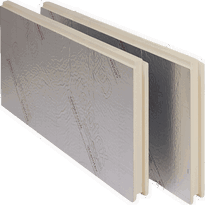
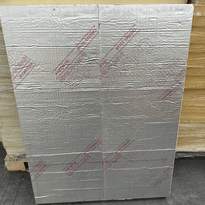
Selecting the appropriate insulation material is a crucial step in constructing a garden room that's energy efficient, safe, and practical. Polyurethane (PIR) insulation provides excellent thermal performance, characterised by low thermal conductivity, which allows for a thinner profile and maximises interior space. Its resistance to moisture helps prevent condensation and damp issues, while its superior fire performance enhances safety. PIR panels are rigid and straightforward to cut, although installation can be somewhat messy and requires precision to achieve the best results. It also helps maintain a consistent indoor temperature throughout the year. The durability and fire resistance of PIR are often complemented by its ability to reflect solar radiation, further improving energy efficiency.
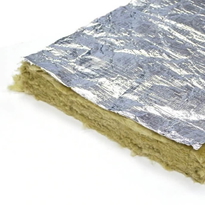
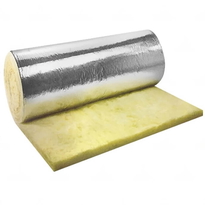
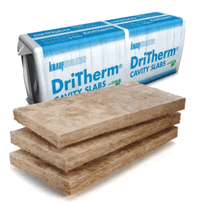
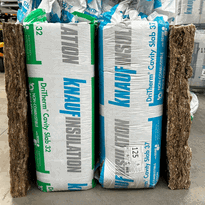
Fibreglass insulation, which is often more affordable and versatile, is effective at reducing heat transfer and is suitable for various spaces within a garden room. However, handling fibreglass requires safety precautions, as the fibres can cause irritation to the skin and eyes. Proper protective gear such as gloves, masks, and overalls are recommended during installation.
Expanded polystyrene (EPS) offers good thermal retention and moisture resistance while being lightweight and easy to handle. Its cost-effectiveness makes it a popular choice among DIY builders and tradespeople alike. EPS's resistance to weather and impact damage makes it suitable for outdoor applications, aligning with the durability offered by stucco cladding.
Each of these materials possesses unique properties that support different priorities—whether it’s thermal efficiency, safety, or budget considerations—in creating a comfortable, secure, and sustainable garden room environment.
Advantages of Insulating Your Garden Space
Insulating a garden room offers a range of practical benefits that enhance its overall functionality and comfort throughout the year. Proper insulation helps maintain a consistent and pleasant temperature, making the space suitable for a variety of activities regardless of outside weather conditions. This creates a welcoming environment during colder or hotter months, allowing you to enjoy your garden room all year round.
In addition to comfort, insulation improves the aesthetic appeal by ensuring the room remains a functional and inviting space in every season. It also plays a crucial role in moisture control, helping to reduce the risks of mould and dampness. This not only preserves the structure’s integrity but also contributes to healthier indoor air quality. Effective insulation strategies are necessary for all exterior surfaces. Furthermore, insulation can lead to significant energy savings by reducing the need for external heating or cooling. Lower energy consumption results in decreased utility bills and a smaller carbon footprint, supporting more sustainable living.
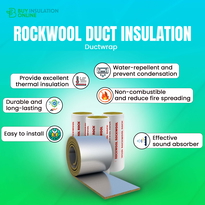
The soundproofing qualities of well-installed insulation can create a quieter environment, perfect for working from home, relaxing, or entertaining guests without external noise disturbances. Incorporating acoustic duct insulation materials can additionally enhance soundproofing and thermal retention in garden rooms, especially in areas close to busy roadways or noisy environments.
Key Factors to Consider When Installing Insulation
Climate and regional considerations are fundamental factors that influence the selection and application of insulation in a garden room. They determine the specific thermal performance requirements necessary to achieve comfort and energy efficiency.
In colder regions of the UK, higher thermal resistance values are essential to effectively maintain warmth. For example, colder climates often require higher R-values to combat outdoor temperatures. Conversely, warmer areas benefit from reflective insulation to minimise heat gain.
Seasonal temperature variations necessitate more robust insulation systems for year-round usage.
Humidity and moisture levels require suitable materials and vapour barriers to prevent condensation and mould growth.
Wind exposure emphasises the importance of airtight sealing to reduce drafts and prevent warm air loss.
Additionally, understanding local building regulations ensures that insulation choices meet legal standards for thermal performance.
Proper consideration of these factors results in a well-insulated garden room that balances comfort with compliance.
Environmental and Cost Considerations in Choosing Insulation
Environmental and cost considerations are crucial when selecting insulation materials for garden rooms, as these factors directly influence both the sustainability of the construction process and the ongoing efficiency of the structure.
Eco-friendly options, such as recycled insulation and sustainable materials, help to reduce waste generation and lower the overall environmental footprint of the project. Incorporating features like green roofs and low-VOC (volatile organic compound) finishes can also enhance local ecosystems and improve indoor air quality within the garden room.
While environmentally friendly insulation materials often involve higher initial costs, these expenses can be mitigated by lower energy bills over time, thanks to improved thermal resistance and the use of energy-efficient glazing. These features work together to minimise heat transfer, maintaining a comfortable environment and reducing reliance on artificial heating and cooling.
Selecting durable materials further decreases ongoing maintenance and replacement costs, contributing to the long-term financial savings. Durable construction methods are essential for prolonging the lifespan of insulation and maintaining its effectiveness over the years.
Adopting sustainable practices in the choice of insulation not only benefits the environment but can also increase the property's value. Making informed and selective decisions about insulation materials allows homeowners to strike a balance between environmental responsibility and economic efficiency, supporting a more sustainable approach to garden room construction in the UK.
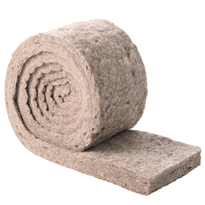
In addition, using natural and recycled materials like British sheep wool, such as Thermafleece, can provide long-lasting insulation performance while supporting local industries and reducing the carbon footprint associated with manufacturing.
Conclusion
Effective insulation in garden rooms enhances thermal efficiency, reduces energy costs, and creates a stable environment suitable for various activities. Selecting appropriate materials involves considering factors such as insulating factor (U-value), environmental impact, and budget constraints. Proper installation is crucial to maximise insulation performance and prevent issues like drafts or moisture accumulation. By carefully evaluating these key aspects, users can ensure their garden spaces are both energy-efficient and durable, reliably fulfilling their intended functions over time.