

What Is Insulation Foam Tape and How It Seals Gaps
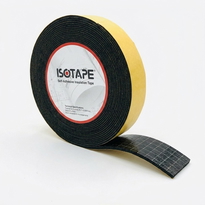
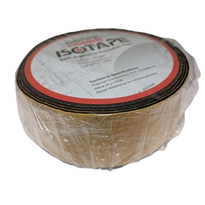
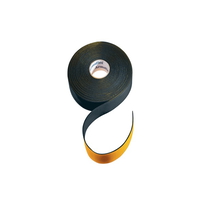
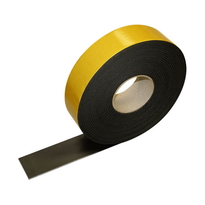
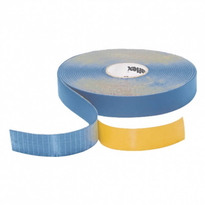
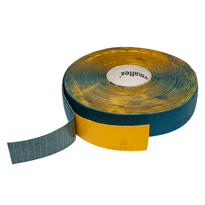
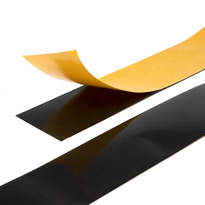
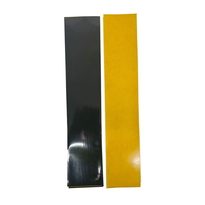
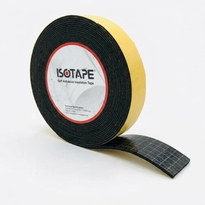
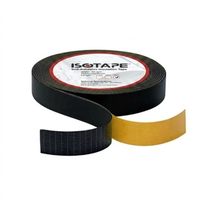
Insulation foam tape is a versatile material specifically designed to fill and seal gaps across various surfaces, enhancing energy efficiency and minimising noise. This product features a compressible foam core with an adhesive backing, enabling it to adhere securely and adapt to uneven spaces.
The properties of insulation foam tape, including its resilience and moisture resistance, make it ideal for regulating temperature by preventing drafts and heat loss. When applied, the tape compresses to create an airtight seal, effectively blocking air, dust, and sound transmission. This sealing action promotes a consistent indoor climate and contributes to energy savings.
By understanding the characteristics of insulation foam tape, users can appreciate its practicality as a straightforward solution for sealing gaps. This not only enhances comfort but also boosts efficiency in buildings, all without the need for complex installation processes.
Whether for home improvement or maintenance, insulation foam tape serves as an indispensable tool in creating a more comfortable living environment.
Top Home Uses for Insulation Foam Tape (Doors, Windows, Ducts)
When weatherproofing doors, windows, or sealing ductwork, insulation foam tape serves as an effective barrier against air leaks and drafts. Its flexibility and adhesive backing make it ideal for filling small gaps around door frames and window sashes, effectively preventing unwanted airflow.
Homeowners frequently opt for foam tape as part of their weatherproofing solutions, enhancing comfort and reducing moisture ingress.
In duct systems, foam tape is invaluable for sealing joints and connections, helping to maintain consistent airflow while protecting against dust and contaminants.
Many individuals embrace these tasks as straightforward DIY projects, appreciating the tape’s ease of use and reliability.
How Insulation Foam Tape Saves Energy and Cuts Costs
By sealing gaps and reducing air leaks around doors, windows, and ducts, insulation foam tape helps maintain a stable indoor temperature. This enhances energy efficiency by minimising the demand on heating and cooling systems.
With less air escaping or entering a space, homes require less energy, resulting in noticeable savings on utility bills.
Moreover, insulation foam tape diminishes drafts, creating a more comfortable living environment without over-reliance on thermostats. This simple adjustment can lead to reduced wear on HVAC equipment, consequently lowering maintenance costs.
Homeowners who opt for foam tape become part of a community dedicated to sensible, practical energy use, supporting both environmental initiatives and financial management.
Thus, this modest investment in sealing contributes to enduring energy and cost benefits.
How to Choose the Right Insulation Foam Tape for Your Project
Key Factors for Selecting the Right Insulation Foam Tape
When choosing foam tape for insulation projects, several important factors should be taken into account.
Durability is vital, as the tape must endure temperature fluctuations and moisture exposure. Selecting a tape with excellent weather resistance and a long lifespan will ensure it performs effectively over time.
Adhesive Types also vary significantly. Options such as acrylic, rubber, and silicone each have their own strengths, adhering better to specific surfaces or functioning well in harsher conditions.
Understanding these adhesive properties allows users to choose a tape that will stick securely and remain reliable under various circumstances.
Application considerations are equally crucial. Whether the project is intended for indoor or outdoor use, or involves irregular surfaces, selecting the appropriate foam tape can make a significant difference in performance.
In summary, choosing the right insulation foam tape requires matching durability and adhesive characteristics to the specific needs of your project.
This careful selection process ensures effective sealing, energy efficiency, and long-lasting reliability.
Correct Application Tips for Insulation Foam Tape
Understanding the specific requirements of a project is essential to determine the best insulation foam tape to use. However, applying it correctly is equally important for achieving optimal results.
Surface Preparation
Begin with surface preparation: the area must be clean, dry, and free from dust or grease to ensure strong adhesion.
Choosing the Right Tape
Familiarise yourself with the different types of foam tape available, as some are designed for rough surfaces while others are better suited for smooth or irregular shapes.
Application Techniques
When applying the tape, it’s crucial to exert even pressure along its length to avoid gaps or bubbles, which can compromise insulation effectiveness.
Cutting the tape accurately and aligning it carefully will help prevent overlapping or misplacement.
Creating a Tight Seal
These meticulous steps contribute to forming a tight seal, enhancing energy efficiency and ensuring that your workspace remains comfortably insulated.
Conclusion
Insulation Foam Tape: A Practical Solution for Energy Efficiency
Insulation foam tape is an effective means of sealing gaps around doors, windows, and ducts. By enhancing energy efficiency, it helps to reduce heating costs and maintain a comfortable indoor environment.
When selecting the appropriate tape, it is crucial to consider the specific requirements of your project. Factors such as the type of surface and environmental exposure play a significant role in determining the best option.
Proper application of insulation foam tape is essential for optimal performance. Ensuring a tight seal helps to prevent air leaks and moisture intrusion, safeguarding your home against energy loss.
By understanding the various uses and characteristics of insulation foam tape, homeowners can make informed choices that enhance comfort and protect their properties. This cost-effective solution remains a reliable choice for effective sealing.