

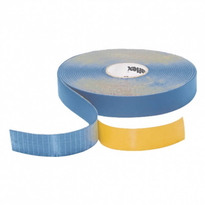
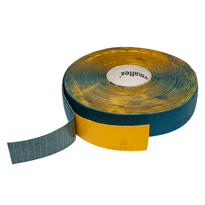
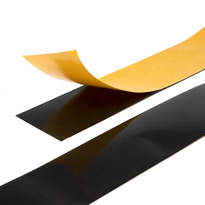
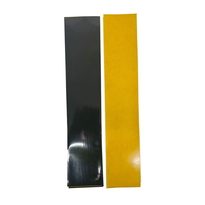
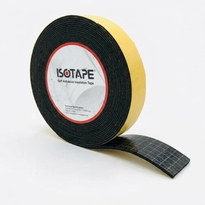
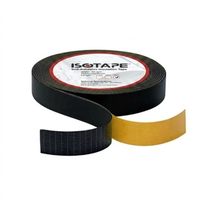
What Features Make Insulation Tape Heat Resistant?
Several key features contribute to the heat resistance of insulation tape.
One important factor is the materials used in its construction. High-quality tapes often utilise specialised polymers or silicone compounds that can withstand elevated temperatures without melting or degrading. These materials also provide flexibility, allowing the tape to remain intact even when surfaces expand or contract due to temperature fluctuations.
Another critical feature is the adhesive, which must endure heat without losing its bonding effectiveness. Heat-resistant tapes typically have a robust backing that protects against heat transfer, safeguarding underlying surfaces from potential damage.
Types of Heat-Resistant Insulation Tape
There are several types of heat-resistant insulation tapes designed to withstand high temperatures across various applications.
One common type is **fibreglass tape**, which utilises woven fibreglass fibres coated with thermally resistant adhesives. This tape is ideal for high-heat environments, such as engines and industrial equipment.
Silicone tape is another popular choice, renowned for its flexibility and exceptional heat resistance, making it suitable for electrical wiring and automotive components.
Polyimide tape, often referred to as Kapton, provides outstanding thermal stability and is frequently used in electronics where heat dissipation is crucial.
Ceramic-based tapes offer additional protection in extreme conditions, making them suitable for furnace insulation and aerospace applications.
Each type caters to specific needs, ensuring safety and performance in high-temperature settings.
How to Choose the Best Heat-Resistant Tape for Your Project
Selecting the appropriate heat-resistant tape is essential for the success of your project. Understanding the specific requirements is key.
Temperature Resistance
Consider the temperature range that the tape must endure. Different tapes are designed to perform optimally at various temperature levels, so it’s crucial to choose one that aligns with your needs.
Adhesive Quality
The type of adhesive used is vital. Ensure that it provides a strong bond without losing its effectiveness under heat. A reliable adhesive will prevent any mishaps during your project.
Material Composition
The tape's material plays a significant role in its performance. Some materials are better suited to resist high temperatures and chemicals than others.
Research the characteristics of various options to find the best fit for your requirements.
Flexibility and Durability
Consider the tape's flexibility and durability, particularly if it will be applied to irregular surfaces or used for extended periods. A flexible tape will conform better to different shapes, while a durable one will withstand the test of time.
By carefully evaluating these factors and matching them to your project’s needs, you can choose a heat-resistant tape that ensures safety, efficiency, and confidence in your work.
This thoughtful approach will also connect you with a community of skilled professionals.
Common Uses and Limitations of Heat-Resistant Insulation Tape
Heat-resistant insulation tape is widely utilised in various applications where elevated temperatures are present. It effectively insulates wires, safeguards electrical components, and secures parts in engines or appliances.
However, it's important to recognise its limitations.
Temperature Range
Most tapes are designed to withstand specific temperature thresholds; exceeding these can lead to degradation or failure.
Chemical Exposure
Certain chemicals or oils may compromise the adhesive or the material itself, diminishing its effectiveness.
Mechanical Stress
Repeated stretching or physical pressure can affect the tape's integrity over time, making it less reliable.
While heat-resistant insulation tape is versatile, understanding these limitations ensures proper application and safety for long-term performance.
This knowledge fosters confidence among users in the UK, enabling them to make informed decisions in their projects.
Tips for Safe Application of Heat-Resistant Insulation Tape
Proper application of heat-resistant insulation tape is crucial for ensuring both safety and optimal performance. Here are some essential tips to consider:
Surface Preparation
Begin by thoroughly cleaning the surface. It’s vital to remove any dust, oil, or grease, as these contaminants can significantly reduce the tape's adhesion.
Cutting and Application
When cutting the tape, aim for clean edges. Press the tape down firmly to ensure a good bond.
Wrapping the tape tightly and evenly is important, as this helps prevent any gaps that might allow heat to escape or cause potential damage.
Avoid Overstretching
Be cautious not to stretch the tape excessively during application, as this can compromise its adhesive properties and overall effectiveness.
Surface Considerations
Steer clear of applying the tape over sharp edges or rough surfaces. Such conditions can lead to tearing or diminish the tape’s lifespan.
Manufacturer's Guidelines
Lastly, always adhere to the manufacturer's instructions regarding temperature limits and curing times. Following these guidelines will help ensure that the tape functions effectively and safely.
Conclusion
In summary, heat-resistant insulation tapes are specifically designed with features such as high-temperature adhesives and robust materials to endure elevated temperatures. Various types are appropriate for different applications, making the correct selection essential. When applied correctly, they can provide effective insulation and enhance safety in high-temperature settings.
It is important to understand their limitations and adhere to safe application guidelines to ensure optimal performance. Ultimately, choosing the right tape is vital for protecting equipment and minimising fire hazards in heat-related projects.