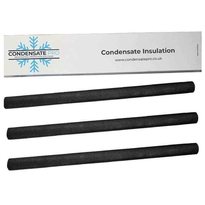
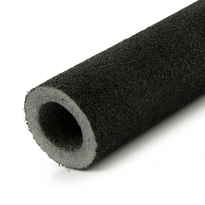
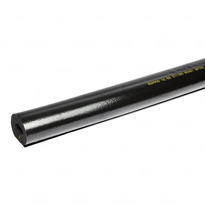
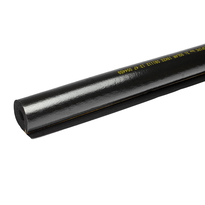
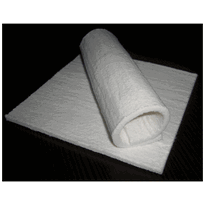
Outdoor Water Pipe Insulation Wrap
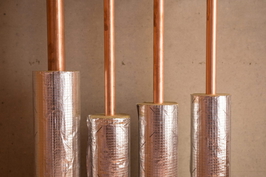
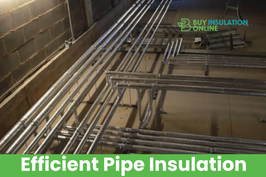
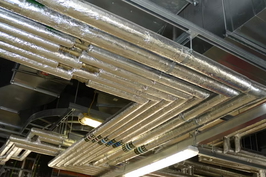
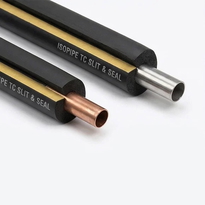
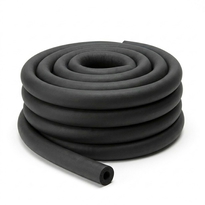
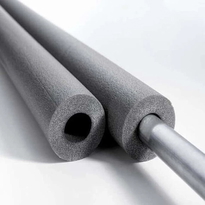
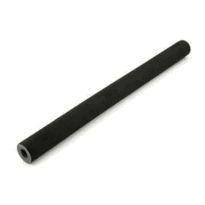
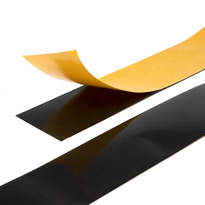
Outdoor water pipe insulation wraps are designed to prevent heat loss, reduce condensation, and protect pipes from freezing and environmental damage. Suitable materials include foam, rubber, and mineral wool with aluminium foil, providing thermal resistance, moisture protection, and durability against weathering.
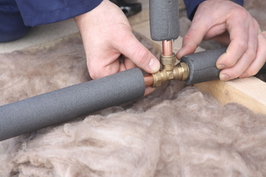
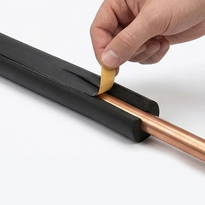
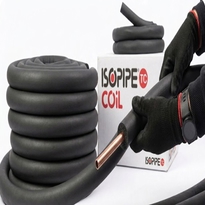
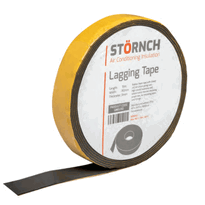
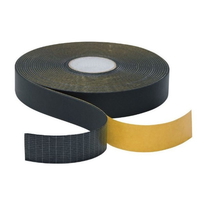
Proper installation involves cleaning the pipes, wrapping them tightly with overlaps, securing the wraps with tape or wire, and sealing the ends with weatherproof materials. This careful process ensures maximum efficiency and long-lasting protection.
Effective insulation not only extends the lifespan of outdoor pipes but also enhances energy efficiency by reducing heat loss. Regular inspection and maintenance of the insulation can help identify any damage or wear, allowing for timely repairs.
By ensuring your outdoor water pipes are well-insulated, you can significantly minimize the risk of freezing during colder months, avoiding costly repairs and water disruptions. Continued guidance and proper application will help optimize long-term pipe protection and maintain an efficient plumbing system.
Choosing the Right Insulation Material for Outdoor Pipes
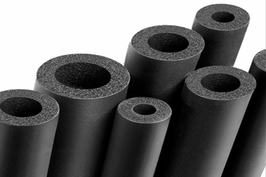
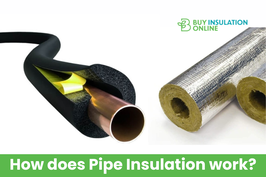
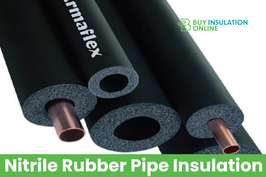
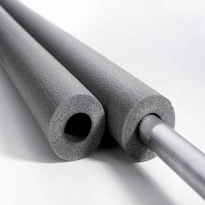
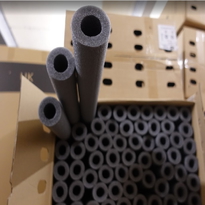
Choosing the right insulation material for outdoor pipes requires careful consideration of several key factors, including the pipe’s operating temperature, exposure to moisture, environmental conditions, and the desired durability of the insulation. Fiberglass and mineral wool are suitable for hot water pipes due to their heat resistance and ability to maintain shape at high temperatures. These materials are particularly effective if the pipes will be subjected to continuous high temperatures, as they help prevent heat loss and protect the pipe from thermal stress. Fiberglass insulation is fire-resistant, providing an added safety benefit in outdoor applications. Foam insulations such as polyethylene and polyurethane are versatile options for both cold and hot water pipes. They provide excellent moisture resistance, making them well suited for outdoor applications where exposure to rain and humidity is common. Rubber insulation, being flexible and moisture-resistant, works effectively for cold water and refrigeration lines. Its flexibility allows for easy installation around complex pipe runs, while its resilience helps maintain performance in damp conditions. Polystyrene and polyisocyanurate foams offer excellent thermal insulation across a wide range of temperatures. Polyisocyanurate (PIR), in particular, can handle continuous exposure to temperatures up to 149°C (300°F) without degradation, making it suitable for demanding outdoor environments. Mineral wool combined with aluminium foil acts both as insulation and as a vapour barrier. The foil helps prevent moisture buildup on the exterior of the pipe, reducing the risk of corrosion and damage in outdoor settings. Incorporating the proper insulation not only enhances energy efficiency but also minimizes maintenance costs over time. When selecting an insulation material for outdoor pipes, it's essential to consider not just the thermal properties but also the material’s resistance to the specific environmental conditions expected. Proper insulation ensures energy efficiency, prevents pipe freezing or overheating, and prolongs the lifespan of the piping system.
Key Features and Practical Aspects of Pipe Wrap Installation
Proper installation of pipe insulation wraps requires careful attention to preparation, technique, and securing methods to ensure optimal performance and durability. Additionally, selecting environmentally sustainable insulation materials can further enhance the ecological benefits of your project.
It's essential to ensure pipes are fully drained, cleaned, and measured accurately before commencing work.
Critical steps include starting the wrap at fittings and overlaps of approximately half the width of the insulation to prevent any gaps. Securing the wrap with spiral taping or wire, depending on the pipe size, helps to guarantee stability and prevent movement over time.
Particular care should be taken around elbows and fittings, especially when using flexible or pre-formed insulation, to ensure a snug fit and maintain continuous thermal protection.
Secure attachment points should be spaced every 30 to 60 centimeters to promote even coverage and reduce the risk of the insulation coming loose. Utilizing natural, low-carbon products in insulation wraps can further improve sustainability, especially when using materials like sisal wool or recycled fibers.
To enhance longevity and protect the insulation against environmental factors, it's important to seal the ends properly and apply weatherproof tape, especially for external installations.
Insulation wraps lower exposure to elements, decreasing disaster risk. These measures improve insulation effectiveness, prevent water ingress, and help maintain system integrity across varying weather conditions.
Thermal Benefits and Climate Suitability
Insulating outdoor water pipes offers notable thermal advantages by enhancing heat retention and minimizing energy loss during transit. By maintaining water temperatures approximately 1°C–2°C higher than uninsulated pipes, insulation enables lower settings on water heaters, leading to energy savings. Proper insulation also prevents condensation and moisture-related issues, prolonging the lifespan of the pipes. It also reduces heat dissipation along the pipe, ensuring more consistent water temperatures and decreasing the frequency of reheating cycles, which in turn lowers utility bills. In colder climates, insulation is vital for preventing pipes from freezing and bursting, as it helps keep pipes above freezing temperatures and lessens ice formation. Suitable materials such as foam or rubber provide moisture resistance and high thermal resistance, essential in harsh weather conditions. Additionally, selecting the appropriate insulation thickness ensures optimal thermal performance tailored to specific climate demands.
Enhancing Durability and Environmental Resistance
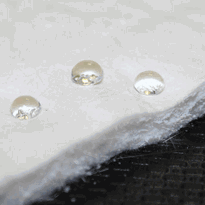
Outdoor water pipe insulation must withstand a variety of environmental challenges that threaten its longevity and functionality. Effective insulation safeguards against moisture, reducing condensation and preventing corrosion and rust formation. High-quality materials are resistant to UV radiation, physical wear, abrasion, and chemical exposure, maintaining their integrity even under harsh conditions. Proper insulation acts as a barrier to external elements, ensuring stability in outdoor settings. Insulation should also adapt to temperature fluctuations, insulating against freeze-thaw cycles and high temperatures, while retaining flexibility and strength. Properly sealed wraps prevent water ingress, which can lead to mold growth or structural damage. Durability can be further enhanced through protective jackets, making insulation resistant to hail, sand, and dust. Selecting appropriate insulation materials can also help extend the lifespan of outdoor water pipes. This comprehensive approach extends the lifespan of pipes, minimizes maintenance requirements, and ensures reliable operation in diverse outdoor environments, fostering confidence in long-term water system performance.
Cost-Effective Solutions for Long-Term Pipe Protection
Choosing the most cost-effective solution for long-term pipe protection requires careful consideration of material options, installation methods, and environmental conditions. Insulating pipes can reduce water heater temperature by 4°F, saving about 2% on energy costs, which contributes to overall savings. Rubber insulation, although more expensive initially at approximately £0.40 to £1.80 per meter, offers exceptional durability, moisture resistance, and superior thermal insulation for outdoor pipes. This makes it a worthwhile long-term investment. Foam or self-sealing wraps, which can cost as little as £8 to £12 per small property, provide an economical option well-suited for DIY applications. Polyurethane foam, generally priced around £1.70 to £2.00 per square meter, is effective in filling irregular spaces. However, it requires careful application to prevent damage to plastic pipes. Both rubber and polyurethane foam improve longevity by incorporating moisture barriers and thermal protection, which help to reduce maintenance needs and prevent costly issues such as freezing or pipe failure. When choosing the right insulation, considering thermal conductivity can help ensure optimal performance and energy savings. Proper sealing and installation are crucial to optimize the performance of these materials, ultimately delivering significant cost savings over time.
Conclusion
Selecting appropriate outdoor water pipe insulation wraps requires careful consideration of material properties, climatic conditions, and durability standards. Proper installation is essential to achieve optimal thermal performance and to ensure resistance to environmental factors such as moisture, UV rays, and mechanical damage. Correctly applied insulation extends the lifespan of pipes and helps to reduce energy consumption by preventing heat loss.
Cost-effective insulation solutions that offer lasting resilience are highly recommended for comprehensive protection. By evaluating these factors, building managers and homeowners can maintain reliable and efficient piping systems. This proactive approach helps prevent issues such as freezing, leaks, and pipe damage, ultimately safeguarding the property and reducing maintenance costs through the careful selection and precise application of suitable insulation materials and techniques.
Featured Articles on Outdoor water pipe insulation wrap