Outside Condensate Pipe Insulation
Outside condensate pipes require proper insulation to prevent heat loss, minimize moisture ingress, and protect against environmental factors such as UV exposure, temperature fluctuations, and physical damage. Suitable materials include elastomeric foam, polyethylene, nitrile rubber, or cellular glass that resist moisture, UV, and weathering while maintaining thermal efficiency. Proper installation involves measuring accurately, ensuring tight fits, sealing joints with tape or adhesive, and applying protective jackets to improve durability. Ongoing maintenance and inspection are essential to ensure optimal system performance and longevity.
Types of Materials Suitable for Outdoor Pipe Insulation
When selecting materials suitable for outdoor pipe insulation in the UK, it's crucial to consider their ability to withstand environmental conditions such as moisture, temperature fluctuations, and exposure to weather elements.
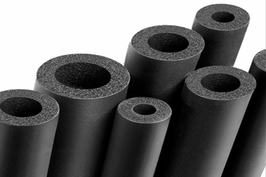
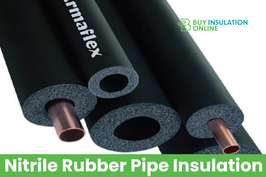
Closed-cell foam options like nitrile rubber, polyurethane, and polyisocyanurate (PIR) offer excellent moisture resistance, withstand extreme temperatures, and maintain their insulating properties over time due to their dense, rigid structures. Their low water absorption rates make them especially effective in damp outdoor environments. Polyurethane is particularly durable in refrigerated and chilled water systems, while PIR provides superior fire resistance and high thermal efficiency. Manufactured with eco-friendly technology, these foams reduce chemical emissions, enhancing sustainability. These closed-cell foams are lightweight and flexible, facilitating installation on irregular surfaces and helping prevent mold growth and corrosion.
Alternatively, polyethylene foam is widely favored for its moisture resistance, low thermal conductivity, and eco-friendly qualities, making it well-suited for colder climates.
This material provides a practical and reliable solution for outdoor pipe insulation, ensuring durability and effective performance across diverse weather conditions.
Benefits of Proper Condensate Pipe Insulation in Exterior Settings
Proper insulation of exterior condensate pipes provides several clear advantages that enhance the efficiency, durability, and safety of heating and plumbing systems. Insulation helps to minimize heat loss, ensuring that water remains at a desired temperature and reducing the energy needed to operate boilers or water heaters. This leads to notable energy savings and contributes to a lower environmental footprint. This savings can also extend the lifespan of the pipes by reducing thermal stress. In addition, insulating condensate pipes acts as a thermal barrier that prevents moisture from condensing on the surface of the pipes. This reduces the risk of corrosion, mold growth, and structural damage over time. Using stucco cladding can further protect exposed pipes from weathering and impact damage, especially in outdoor settings.
Furthermore, insulation protects the pipes against freezing temperatures during colder months, helping to prevent freezing and the associated risk of pipe bursts. This protection not only extends the lifespan of the pipes but also reduces costly repairs. Insulated pipes are also quieter during operation, as insulation diminishes noise and vibration. They can also enhance safety by lowering the surface temperature of the pipes, reducing the chance of burns or injuries upon contact.
Key Considerations for Installing Outdoor Pipe Insulation
Selecting the appropriate insulation material is a crucial first step, requiring careful consideration of the specific environmental conditions and the characteristics of the pipes involved.
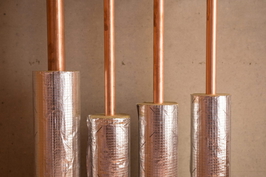
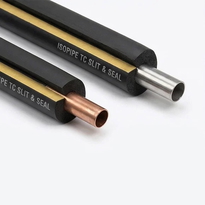
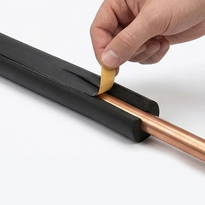
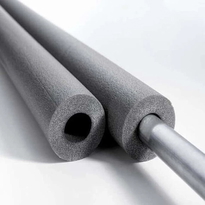
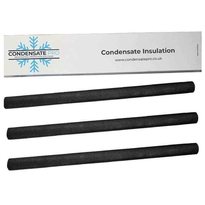
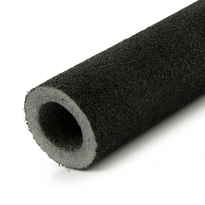
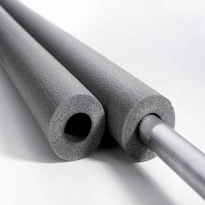
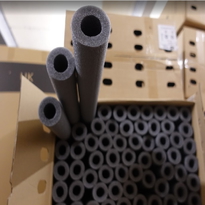
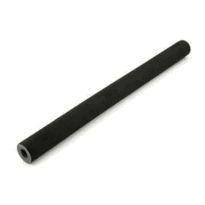
Foam tubes are particularly suitable because of their snug fit and ease of installation. Their slit design allows for flexible application around pipes, making them a popular choice for outdoor use.
Fiberglass wraps offer excellent acoustic insulation but require precise overlapping and securement to prevent gaps that could reduce their effectiveness. It's important to apply fiberglass carefully to ensure continuous coverage.
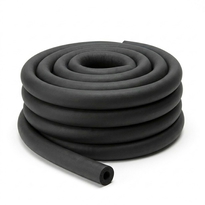
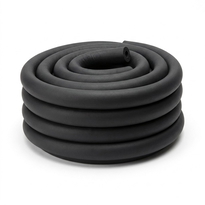
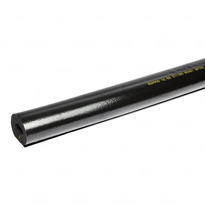
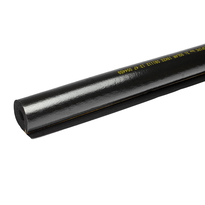
Rubber insulation provides moisture resistance and durability, making it ideal for outdoor exposure. It's essential to select materials that are approved for external use and are capable of resisting moisture, UV radiation, and temperature fluctuations common in outdoor environments.
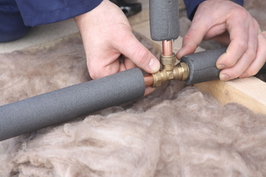
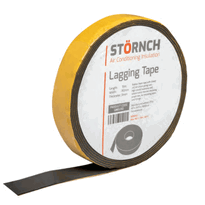
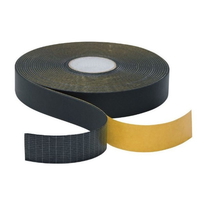
Measuring accurately is vital to ensure full coverage of the pipes, including bends and elbows. Allow extra length for overlaps to avoid gaps. Proper sealing of joints and ends with appropriate tape or adhesive further enhances the insulation’s integrity and long-term performance.
Additionally, selecting insulation materials with suitable fire safety and environmental properties can help ensure compliance with safety standards and promote sustainable building practices. Taking these considerations into account will help ensure reliable, durable, and effective outdoor pipe insulation suited to UK conditions.
Ensuring Durability and Performance in External Environments
Choosing insulation materials that are inherently resistant to environmental factors significantly enhances durability when installed outdoors. These materials are formulated to withstand moisture, temperature variations, ultraviolet (UV) radiation, and physical wear and tear. Fiberglass insulation, while effective indoors, can degrade when exposed directly to weather without proper casing. Cellular glass insulation provides low water vapor ingress, helping to maintain stable thermal conductivity even when exposed to wet conditions. Polyisocyanurate (PIR) boards fitted with vapor retarder jackets help keep moisture content below 0.1%, thereby preserving thermal efficiency over time. Fiber-based insulations such as Earthwool are capable of enduring high temperatures, making them suitable for long-term external applications. Elastomeric foam offers excellent flexibility and is highly resistant to weather elements, making it particularly suitable for irregular pipe shapes and outdoor settings. To minimize degradation from condensation and water ingress, it's essential to select materials with inherent moisture resistance or to incorporate suitable vapor barriers. Additionally, proper installation techniques such as fitting protective jackets and the meticulous sealing of joints are critical. These measures prevent moisture accumulation around insulation, ensuring consistent thermal performance and significantly extending the service life of external pipe insulation.
Industry Applications and Selection Tips for Exterior Pipe Insulation
Industry applications of exterior pipe insulation encompass a wide range of sectors, each with particular requirements for materials capable of enduring specific environmental conditions and operational demands.
In industrial plants, insulation is used to protect pipes conveying fluids that operate within temperature ranges from approximately -30°C to 530°C. Materials such as iron, copper, CPVC, PVC, and stainless steel are selected based on the operating temperature and the pipe material to ensure optimal performance. Proper insulation in these environments reduces heat loss and prevents condensation, which can lead to corrosion and system inefficiencies.
Power stations and refineries tend to favor calcium silicate insulation due to its high-temperature resistance, capable of withstanding temperatures up to approximately 650°C, along with its mechanical strength. This material is ideal for insulating high-temperature pipelines and industrial equipment. Calcium silicate also offers excellent fire resistance, making it suitable for safety-critical applications. Additionally, choosing the correct insulation can contribute to the overall safety of industrial operations by minimizing the risk of thermal or fire hazards.
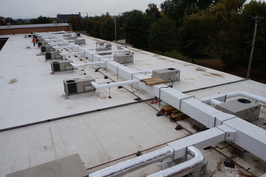
HVAC and refrigeration systems benefit from elastomeric foam insulation, valued for its flexibility and moisture resistance. This makes it particularly suitable for complex pipe configurations, reducing the risk of condensation and ensuring energy efficiency in controlled environments. Its ease of installation and low thermal conductivity enhance system performance.
In pharmaceutical and food processing facilities, moisture-resistant and hygiene-compliant insulation options are essential. These are designed to prevent moisture ingress, thereby maintaining hygiene standards and enabling consistent temperature control in sensitive environments. Selecting insulation with low toxic emissions and easy-to-clean surfaces supports strict health and safety regulations.
Choosing the appropriate exterior pipe insulation material depends on multiple factors, including the operational temperature range, environmental exposure, mechanical impacts, and the need for durability and efficiency in outdoor conditions. A thorough assessment of these variables ensures the optimal performance and longevity of the insulation system across industries.
Conclusion
Selecting appropriate insulation materials, such as foam, rubber, or elastomeric coatings, is vital for protecting outdoor condensate pipes from environmental damage. Proper installation practices—including secure fastening and weatherproof sealing—are essential to ensure durability and effective thermal and moisture management. By considering factors such as local climate conditions, material resistance, and the specific application environment, you can optimize performance and extend the lifespan of your piping system.
Adhering to these guidelines helps maintain pipe integrity, prevents energy loss, and reduces maintenance costs. This ultimately contributes to the long-term operational efficiency of the system in external settings. Paying careful attention to the choice and application of insulation materials will ensure your outdoor condensate pipes remain protected against the elements, maintaining their function and reliability over time.
Featured Articles on Outside condensate pipe insulation